

Building A Legacy: Designing Your Estate For Success
By Tom Seest
At LegacyExplorations, we help people plan and explore their legacy by collecting information and news regarding end-of-life planning.
Please share this post with your friends, family, or business associates who may want help to plan or explore their legacy.
Your Estate, Modeled Like a Startup Exit
Imagine your estate isn’t just a collection of assets but a legacy—a story waiting to be told. Like the exit strategy of a startup, your estate can be crafted with intention, shaping your narrative long after you’re gone. Picture this: every decision you make today is an investment in the tales future generations will share around the dinner table, where your dreams, values, and lessons are passed on like heirloom recipes.
When you think of “exit,” consider what it means to truly exit your life’s work. It’s not simply about allocating funds or properties; it’s about articulating a vision. This vision springs from your heart and roots deeply in your values, giving those you leave behind a guiding compass. Your “legacy storytelling” becomes an anchor, connecting younger generations to their heritage and each other. It’s not merely about assets; it’s the wisdom, laughter, struggles, and triumphs that define your family’s story.
Now, let’s get rational for a moment. Ensuring your legacy is secure goes beyond sentimental value; it protects your financial and emotional investment. A well-structured estate plan can minimize taxes, avoid probate battles, and foster cooperation among heirs. It’s about leaving a clear pathway—one that nurtures relationships built on mutual respect and love. When family members know the why behind decisions, they’re more likely to honor your wishes and continue your legacy.
Ethically, think about the world you’re helping to build. Every dollar you’ve earned and every lesson you’ve learned can be used to create a better community and inspire others. Who better to lead the charge than you? Share your values and vision to not just make a mark within your family, but in the lives of countless others who will be touched by your generosity.
And let’s not forget the power of community. Every conversation you have about your estate—every story shared—strengthens connections. Your narrative weaves together family ties and friendships, turning solitary institutions into collective legacies. It’s all about fostering those relationships that will carry your spirit forward.
So, roll up your sleeves and think like a startup founder. Build an estate plan that tells your story, preserves your values, and inspires future generations. Don’t just exit; leave a legacy worth celebrating.
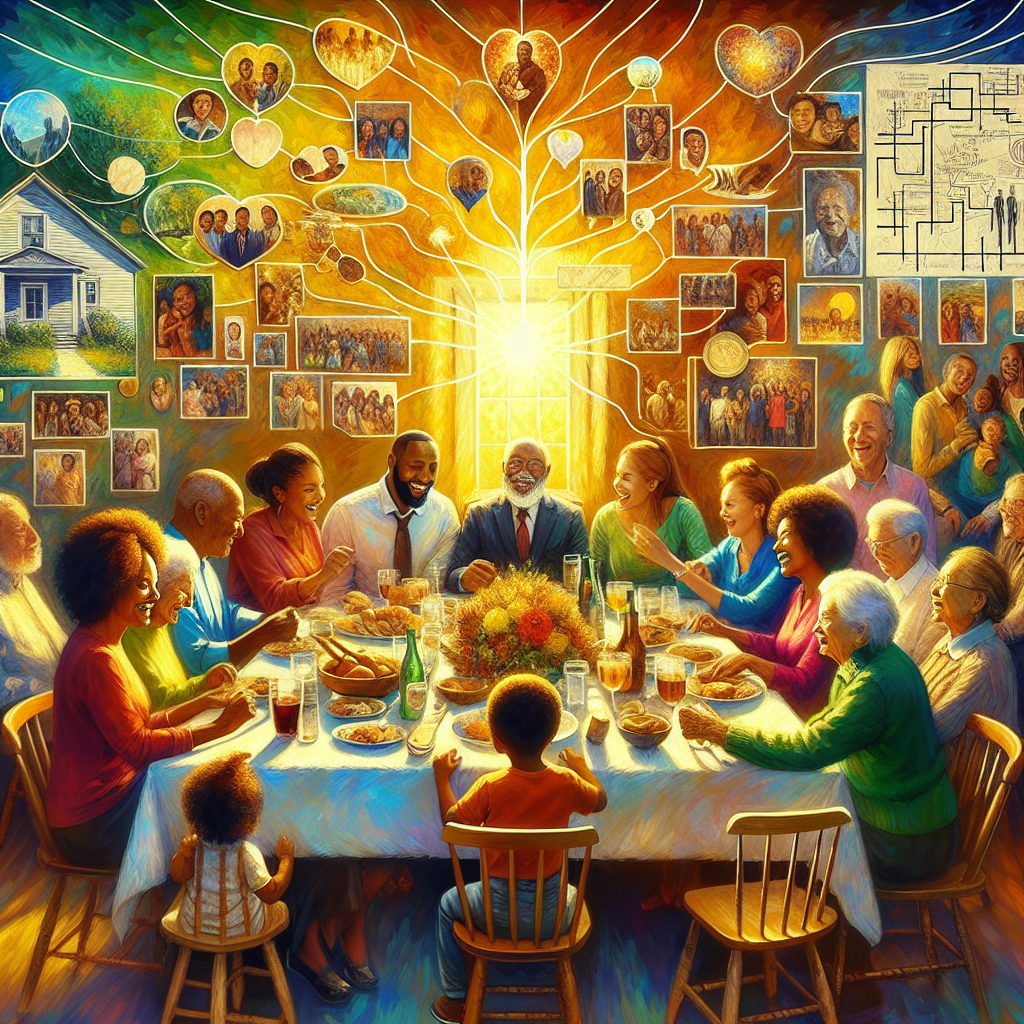
Your Estate, Modeled Like a Startup Exit
Your Estate, Modeled Like a Startup Exit
- Your estate represents a legacy, shaping your narrative beyond your lifetime.
- Every decision made today is an investment in future generations’ storytelling.
- Exit planning involves articulating a vision rooted in your values.
- A well-structured estate plan secures your legacy and fosters family cooperation.
- Understanding the rationale behind decisions encourages heirs to honor your wishes.
- Your legacy can contribute to building a better community and inspiring others.
- Conversations about your estate strengthen relationships and weave collective legacies.
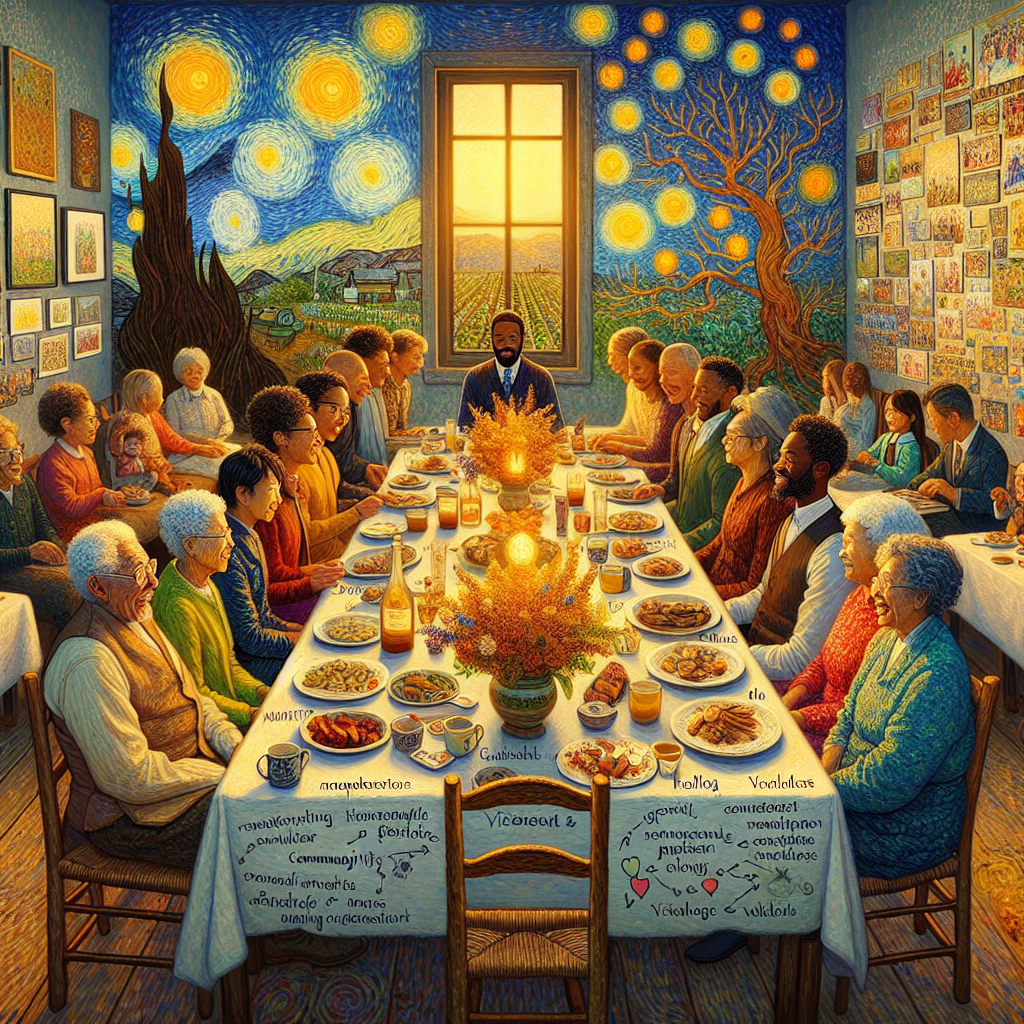
Your Estate, Modeled Like a Startup Exit
Table Of Contents
- Your Estate, Modeled Like a Startup Exit
- What If Your Estate Could Reflect Your Unique Life Story?
- How Do You Ensure Your Legacy Lives on After You?
- Are You Maximizing the Value Of Your Estate Like a Startup?
- How Can You Inspire Others with the Way You Structure Your Estate?
- What Steps Do You Take to Align Your Assets with Your Values?
- How Would You Feel Knowing Your Estate Supports Your Passions?
- Is Your Estate Plan Adaptable Like a Successful Business Strategy?
- Conclusion
- Other Resources
- Glossary Of Terms
- Other Questions
- Haiku
- Poem
- Checklist
What If Your Estate Could Reflect Your Unique Life Story?
Imagine walking into a room filled with memories, each corner a testament to a life well-lived. Your estate could embody a tapestry of your experiences, not merely a collection of possessions to be passed on. It’s more profound than that; it’s the essence of legacy storytelling—your story transitioning from words to tangible memories. Think about the plates that your grandmother used at Sunday dinners or the family bookshelves that housed your child’s first stories. Each item whispers a tale of joy, struggle, and triumph, inviting others to step into your shoes and witness what shaped you.
Now, consider the impact of sharing these stories. For your family and friends, these connections can heal, inspire, and encourage a sense of belonging. Be it an intricate wooden chest that once held important letters or an old watch that ticked through countless moments, they all hold significance that transcends their material value. Your legacy isn’t just about the items left behind; it’s about the values they represent, lessons learned, and the heartbeats that echo through generations.
You have the power to make choices that affect not just the way your estate looks, but how it feels. This isn’t merely a rational act of accounting; it’s an ethical obligation to guide your loved ones toward understanding the stories intertwined with your life. It’s a chance for them to grasp what mattered to you, fostering connections that can bridge gaps in understanding, even long after you’re gone.
Don’t be left wondering what impression you’ll leave behind. Make it intentional. Curate your estate like an artist preparing for a final exhibition. Encourage heartfelt conversations about your choices, share the narratives tied to each item, and watch as your life story resonates with those you love. You have the ability to inspire trust and instill a sense of confidence in your family’s future, ushering them through the complexities of loss with clarity and purpose.
Your estate can become a gathering spot for memories, a living legacy reflecting your unique life story. Grab that opportunity—make it a reflection, not just a distribution. After all, in the grand scheme of life, it’s the connections we forge and the stories we share that linger long after the final curtain call.

What If Your Estate Could Reflect Your Unique Life Story?
What If Your Estate Could Reflect Your Unique Life Story?
- Your estate can serve as a tapestry of your life experiences, embodying more than just possessions.
- Items from your life, like family heirlooms, tell stories of joy, struggle, and triumph.
- Sharing these stories can heal and inspire connections among family and friends.
- Your legacy represents the values and lessons learned, echoing through generations.
- Intentional choices in curating your estate focus on feelings and connections rather than material value.
- Encouraging conversations about your choices helps loved ones understand the significance behind items.
- Your estate can be a living legacy, reflecting your unique story and the connections forged throughout your life.

What If Your Estate Could Reflect Your Unique Life Story?
How Do You Ensure Your Legacy Lives on After You?
When it comes to ensuring your legacy lives on after you, it often boils down to something profoundly human: storytelling. Each of us has a tale worth telling, a narrative woven from the threads of our experiences, values, and dreams. The question isn’t whether you have a story, but how you choose to share it. By engaging in legacy storytelling, you create a powerful connection that transcends time and space.
Think about it. Your life is a book filled with chapters of hard work, triumphs, failures, lessons learned, and moments of vulnerability. Each page turned could offer wisdom and guidance to those who come after you. This isn’t just about what you did; it’s about the impact those actions had on others. Sharing your journey encourages others to reflect on their paths and inspires them to carve out their own. It’s emotional and deeply relatable—perfect fodder for the heart.
Now, let’s talk numbers. Rationally, studies show that generations that maintain open dialogues about their family histories are better equipped to face challenges. This storytelling isn’t just sentimental; it builds resilience in those who hear it. It cultivates a sense of belonging, grounding them in a heritage that gives them confidence. Who wouldn’t want to foster such a sense of pride and connection in their loved ones?
Ethically, there’s a responsibility in celebrating your legacy. Your experiences and values serve as a compass for future generations. You have the power to instill important lessons about integrity, teamwork, and perseverance. The story you choose to tell can inspire ethical decisions and encourage future leaders who align with those same guiding principles.
And here’s where connection happens. By inviting others into your narrative, you not only empower those around you, but you also cement your own place within the community. It’s about sharing not just successes, but also failures—your missteps make you more human, more relatable. The neighbors, friends, and family who gather around your legacy storytelling aren’t just passive listeners; they’re active participants in a shared human experience.
Encourage families and communities to embrace these stories. Start informal gatherings or even digital platforms—places where stories can be exchanged freely. Each tale shared fosters connection, strengthens bonds, and ensures that your legacy doesn’t just live on in memory, but continues to shape lives in meaningful ways long after the final page turns.

How Do You Ensure Your Legacy Lives on After You?
How Do You Ensure Your Legacy Lives on After You?
- Legacy storytelling is a powerful way to ensure that your personal narrative lives on.
- Every individual has a unique story shaped by experiences, values, and dreams.
- Sharing your life’s story can provide wisdom and inspiration to others, encouraging them in their own journeys.
- Generational dialogue about family histories fosters resilience and a sense of belonging.
- Your legacy can serve as a moral compass, instilling important values in future generations.
- Connecting with others through shared stories enhances community bonds and relatability.
- Encourage the exchange of stories within families and communities to keep legacies alive and impactful.

How Do You Ensure Your Legacy Lives on After You?
Are You Maximizing the Value Of Your Estate Like a Startup?
When you think about maximizing the value of your estate, consider it not just as a collection of assets but as a legacy—a narrative that tells the story of your life and values. Picture your estate as a startup, vibrant with potential, poised to inspire others. Each decision you make today is akin to nurturing that startup, laying a foundation that will endure for generations.
Now, let’s dig into this. The heart yearns for connection, and your legacy is woven with the threads of shared experiences and treasured memories. Think about the lessons you’ve learned, the tales told around the family dinner table, or the laughter shared during holiday gatherings. These moments form the backbone of your Legacy Storytelling, ensuring that your values echo long after you’re gone. Investing effort in this storytelling invites your loved ones to carry forward your dreams and aspirations.
Then, there’s the rational part of the equation—the numbers. Are your assets well organized and strategically positioned? Are you leveraging the full potential of what you’ve built over a lifetime? Understanding the practicalities can transform your estate from a mere aggregation of stuff into a potent force that continues to generate impact, much like a successful startup thrives on a sound business model. It’s about knowing that every dollar saved and every decision made holds weight well beyond its immediate value.
The ethical obligation to optimize your estate cannot be overstated. It’s more than legality; it’s about doing right by those you love. Each choice you make should reflect the values you stand for. Are you empowering the next generation to handle what you leave behind? Or are you setting them up for a burden? This responsibility calls for intentionality in your planning.
Finally, let’s touch on authority—use the knowledge and experience of experts, just as any startup would enlist advisors. Engaging with estate planners or financial advisors can offer insights you might miss and strategies that can amplify the value of your estate.
Your journey doesn’t have to be a solo endeavor. Engage your family in this process, creating a shared vision of your legacy. Let them see how your life’s narrative unfolds through your decisions. Inspire trust and confidence in your planning, making them eager participants in upholding your legacy. Your story matters, and it’s time to tell it with purpose!

Are You Maximizing the Value Of Your Estate Like a Startup?
Are You Maximizing the Value Of Your Estate Like a Startup?
- View your estate as a legacy that shares your life’s narrative and values.
- Consider your estate as a startup, full of potential and inspiration for others.
- Your legacy is built on shared experiences and cherished memories, shaping your Legacy Storytelling.
- Ensure your assets are well organized and strategically positioned for maximum impact.
- Recognize the ethical obligation to optimize your estate, reflecting the values important to you.
- Engage with estate planners or financial advisors to gain insights and strategies for enhancing your estate’s value.
- Involve your family in the process to create a shared vision and inspire them to uphold your legacy.

Are You Maximizing the Value Of Your Estate Like a Startup?
How Can You Inspire Others with the Way You Structure Your Estate?
When we think about estate planning, our minds often drift toward legal jargon and spreadsheets. But it’s much more than that. It’s about legacy storytelling—crafting a narrative that extends beyond your years, shaping how you’ll be remembered. Every item you pass on, every decision you make, is a stitch in the fabric of your life’s story. How you structure your estate can whisper—or shout—who you truly are, what you valued, and how you lived.
Imagine your family gathered together one day, beyond your time on this earth. What do you want them to remember? With a thoughtful estate plan, you have the power to shape that moment. It’s not just about money or possessions; it’s about instilling your values in those you care about. Consider a charity that reflects your passions, a fund that supports education, or a beloved family heirloom that carries a piece of your history. Each element adds depth to your story, creating a foundation that inspires those you leave behind.
Reflect for a moment on what it means to be an authority in your own life. You have the expertise, the lived experience, and the opportunity to influence others even after you’re gone. By sharing your story through your estate, you’re not just protecting assets; you’re empowering your loved ones to carry your message forward. It’s a kind of ethical obligation—one that can ignite change and inspire future generations.
And let’s not forget the gut-check moment. Real estate, investments, and possessions are not mere numbers; they represent years of hard work and dedication. Think about your journey—the late nights, the sacrifices. By making a careful, intentional plan, you can transform those assets into a source of strength for your loved ones. Such decisions resonate emotionally, fostering connection and understanding.
Ultimately, your legacy is not defined by material wealth but by the relationships you nurture and the stories you weave. Engage in the conversation about your estate planning with an open heart and mind. When you extend that invitation, you’re inviting your loved ones into a collaborative journey, one that honors your wishes while enriching their lives. So, as you consider the structure of your estate, remember that it’s a chance to inspire and foster trust—an opportunity to leave behind a legacy that sings your unique song long after the last note has faded.

How Can You Inspire Others with the Way You Structure Your Estate?
How Can You Inspire Others with the Way You Structure Your Estate?
- Estate planning goes beyond legal documents; it’s about crafting a legacy and shaping how you’re remembered.
- Your estate reflects your values and life narrative, influencing the memories of those you leave behind.
- Consider including elements that embody your passions—such as charities, educational funds, or family heirlooms—to enrich your legacy.
- Your personal expertise and experiences empower loved ones to carry forward your message even after you’re gone.
- Assets like real estate and investments symbolize hard work and dedication, making thoughtful planning essential for family strength.
- Your legacy is defined more by relationships and stories than by material wealth.
- Engaging in open conversations about estate planning fosters collaboration, trust, and enhances the lives of your loved ones.

How Can You Inspire Others with the Way You Structure Your Estate?
What Steps Do You Take to Align Your Assets with Your Values?
When it comes to aligning your assets with your values, it’s a journey that begins deep within. It’s about taking a hard look at what really matters to you—your passions, your principles, and yes, the legacy you wish to leave behind. Think of it as a kind of storytelling, where every dollar you spend or invest becomes a chapter, shaping the narrative of your life and your family’s future.
Imagine for a moment. You’re standing in front of a canvas, paintbrush in hand. Each stroke represents a decision, a choice you’re making about your financial resources. Are you painting a picture that fulfills you, or are you simply filling in the lines with whatever is expected? The truth is, most of us have been conditioned to pursue financial gain as the ultimate goal, rather than allowing our values to guide our financial decisions. This is where that deep gut feeling comes into play. Your instincts know what resonates with your core beliefs, but they need a framework.
Start by defining your values. Write them down. Make them tangible. Whether it’s environmental sustainability, community support, or ethical investing, identify what you’re passionate about and align your assets accordingly. This isn’t just about being noble; it’s about creating a cohesive life, one where your finances reflect your heart’s desires. Think rationally: investments aligned with your values tend to perform better over time, drawing like-minded communities that share your mission.
Next, consider the ethical implications of your choices. Are your investments supporting companies that harm the planet or exploit workers? By redirecting your resources into ventures that uplift and empower, you’re not just making a financial decision; you’re crafting your legacy. Your decisions can inspire others, creating ripples in your community that elevate collective consciousness.
Remember, it’s not about being wealthy in dollar signs but rich in the life story you create. Join a network of individuals who share your values. Engage in discussions and support each other’s journeys. This connection fosters trust and confidence, reinforcing your commitment to live authentically.
Aligning your assets with your values isn’t merely a financial strategy; it’s a call to action—a chance to turn your life into the compelling narrative it was meant to be. Don’t just think about the bottom line—consider the heart of your legacy and how your choices define it. That’s the real victory.

What Steps Do You Take to Align Your Assets with Your Values?
What Steps Do You Take to Align Your Assets with Your Values?
- Aligning assets with values starts from within; it requires introspection into what truly matters to you.
- Financial decisions should tell a personal story rather than conforming to expectations of financial gain.
- Defining and writing down your values can help guide investment choices, making them tangible.
- Investments aligned with personal values often perform better and attract like-minded communities.
- Consider the ethical implications of your financial choices, supporting ventures that empower and uplift.
- Building connections with individuals who share your values fosters trust and reinforces a commitment to authenticity.
- Aligning assets with values is a call to action to create a meaningful life narrative rather than focusing solely on wealth.

What Steps Do You Take to Align Your Assets with Your Values?
How Would You Feel Knowing Your Estate Supports Your Passions?
How would you feel knowing your estate supports your passions? Imagine the profound sense of fulfillment that comes from knowing your life’s work and values continue to resonate through the endeavors you hold dear. This isn’t just about money; it’s about legacy storytelling—the narrative you craft that reflects who you are and what you cherish. It’s a blend of emotion and reason, where your heart and mind align in perfect harmony, creating a powerful motivation for action.
Picture a world where your support fuels the dreams of budding artists, aids in groundbreaking scientific research, or sustains local communities in need. Each dollar you allocate is not merely a gesture; it’s a hand extended to those who share your passions, amplifying their potential and purpose. That’s where you leave a mark, not just on paper but in the souls of those who will carry the torch forward.
This is not an abstract concept; it’s a tangible reality. When you channel your resources into what you believe in, you cultivate a garden of hope and inspiration. You’re crafting a legacy that not only tells your story but also invites others to share theirs. It resonates on a personal level—think of that friend who always admired your craftsmanship, or that student who one day might discover their calling thanks to the scholarship you funded. These aren’t just stories; they are the threads that weave our shared experience, connecting us in a vast tapestry of humanity.
What gives your estate its true value isn’t merely its material wealth—it’s the moral responsibility that comes with it. As we navigate this life, the ethical imperative to lend support where it’s needed becomes clear. Whether it’s empowering the arts, preserving the environment, or promoting education, the choices you make echo beyond your lifetime. They inspire others to act, creating a ripple effect of goodwill and purpose.
You hold the pen to your legacy storytelling, and with it, the power to foster connection. Will you choose to invest in the passions that not only fill you with joy but also fuel a brighter tomorrow for generations to come? The answer lies deep within, awaiting your embrace. The question is, are you ready to take that step and leave a legacy that truly matters?

How Would You Feel Knowing Your Estate Supports Your Passions?
How Would You Feel Knowing Your Estate Supports Your Passions?
- Your estate can support your passions, providing fulfillment by aligning your life’s work with your values.
- Legacy storytelling shapes your narrative, reflecting who you are and what you cherish.
- Your support can empower artists, aid scientific research, and uplift local communities.
- Investing in your passions creates a lasting impact, leaving a mark on those who carry on your legacy.
- Channeling resources into your beliefs cultivates hope and inspiration, inviting others to share their stories.
- The true value of your estate lies in the moral responsibility to support causes that matter.
- You have the power to create a ripple effect of goodwill through intentional legacy choices for future generations.

How Would You Feel Knowing Your Estate Supports Your Passions?
Is Your Estate Plan Adaptable Like a Successful Business Strategy?
When you think about estate planning, it’s easy to imagine dusty binders and complicated legalese. But at its core, it’s about people—your people—and the story you leave behind. It’s not just about distributing assets; it’s about crafting a legacy, shaping a narrative that resonates through generations. Imagine sitting around a dinner table where your loved ones share not just material inheritances, but stories that celebrate family values, memories, and the lessons learned along the way. This is what legacy storytelling is all about—transforming dry legal documents into living testaments of who you are.
Now, let’s get practical. A successful business strategy isn’t static; it evolves—adapting to both opportunities and obstacles. Your estate plan should mirror that adaptability. Times change, circumstances shift, and family dynamics can feel as unpredictable as the stock market. If your planning stands still, it risks becoming irrelevant or worse, counterproductive. Regular check-ins to update your estate plan can ensure it aligns with your current wishes and family needs—just as a savvy entrepreneur would re-evaluate market trends.
It’s not just about keeping up with change, either; it’s about being ethical. Protecting your loved ones through thoughtful planning creates a foundation of trust. You have an obligation to ensure that your intentions are clear and that family members are not left guessing what you want. This ethical approach not only provides reassurance but fosters a sense of security among those you care about, allowing them to focus on healing rather than navigating uncertainties.
Sharing your vision for the future with your family—engaging them in the process—strengthens connections. Imagine how empowering it could be for your children or grandchildren to know not just what they will inherit but also the values you hope to pass down. That sense of belonging can ignite a spark in them to uphold and evolve that legacy.
Your estate plan is more than a collection of documents; it’s a story waiting to be told. By weaving together heart, head, and gut, you create a narrative as dynamic as life itself—one that inspires trust, encourages action, and grows richer with each telling. In a world that often feels chaotic, having an adaptable estate plan reaffirms that you’re not just preparing an end but fostering a continuity of care, love, and purpose throughout your family’s journey.

Is Your Estate Plan Adaptable Like a Successful Business Strategy?
Is Your Estate Plan Adaptable Like a Successful Business Strategy?
- Estate planning is fundamentally about people and the legacy you leave behind.
- It involves crafting a narrative that celebrates family values and shared memories.
- A successful estate plan should evolve with changing circumstances and family dynamics.
- Regular updates to your estate plan ensure it remains relevant and aligned with your wishes.
- Thoughtful planning fosters trust and provides clarity for your loved ones, reducing uncertainty.
- Engaging family members in your vision for the future strengthens connections and inspires legacy preservation.
- Your estate plan is a living narrative that encapsulates care, love, and purpose for your family’s journey.

Is Your Estate Plan Adaptable Like a Successful Business Strategy?
Conclusion
Your estate should not be seen as merely a repository of possessions; it should be a vibrant legacy that tells the story of your life and values. Just as a startup defines its exit strategy, your estate can be purposefully organized to resonate for generations. It’s about making choices today that invest in tomorrow’s conversations and connections—preserving not just your assets but the rich tapestry of lessons, laughter, and love that defines your family.
Imagine for a moment that your estate planning is akin to navigating a meaningful journey. Every decision you make is a pivotal turn on that path, shaping how future generations reflect on you. This is where legacy storytelling comes to life. It’s about weaving together pieces of your history into a narrative that inspires and connects—all while embedding important values and experiences. Each item holds a whisper of your story, whether it’s a cherished heirloom passed down or a community project that reflects your passions.
Yet let’s get practical. Emotional resonance is important, but rationality also plays a key role. A well-structured estate plan not only diminishes hurdles like taxes and legal disputes, but it also encourages family unity. When heirs understand the rationale behind your decisions, they are more likely to honor the legacy you leave behind. This rational approach promotes emotional health within families, fostering resilience and belonging.
Moreover, there is an ethical responsibility to ensure that the world you leave behind reflects your values. By aligning your estate planning with these values, you are contributing to a stronger community, empowering others, and building a better future for those who come after you. This isn’t just about wealth; it’s a commitment to shaping lives and fueling dreams that align with your vision.
You can also think of your estate plan as a growing entity—just as a business strategy adapts to changing circumstances, your estate plan should evolve, too. Regularly revisiting and updating your plans ensures they remain aligned with your intentions and your family’s ever-changing dynamics. This adaptability not only secures your legacy but reinforces the connections you’ve fostered throughout your life.
In essence, your estate is a narrative waiting to be articulated. By engaging deeply with this topic, you can create a legacy that serves to inspire and empower long after you’ve completed your journey. This is your chance to leave behind not just assets, but a heart-filled, dynamic story—a true celebration of who you are and the impact you’ve made. So roll up your sleeves and start crafting that legacy; after all, it’s the stories we tell and the bonds we build that ultimately define our lives.
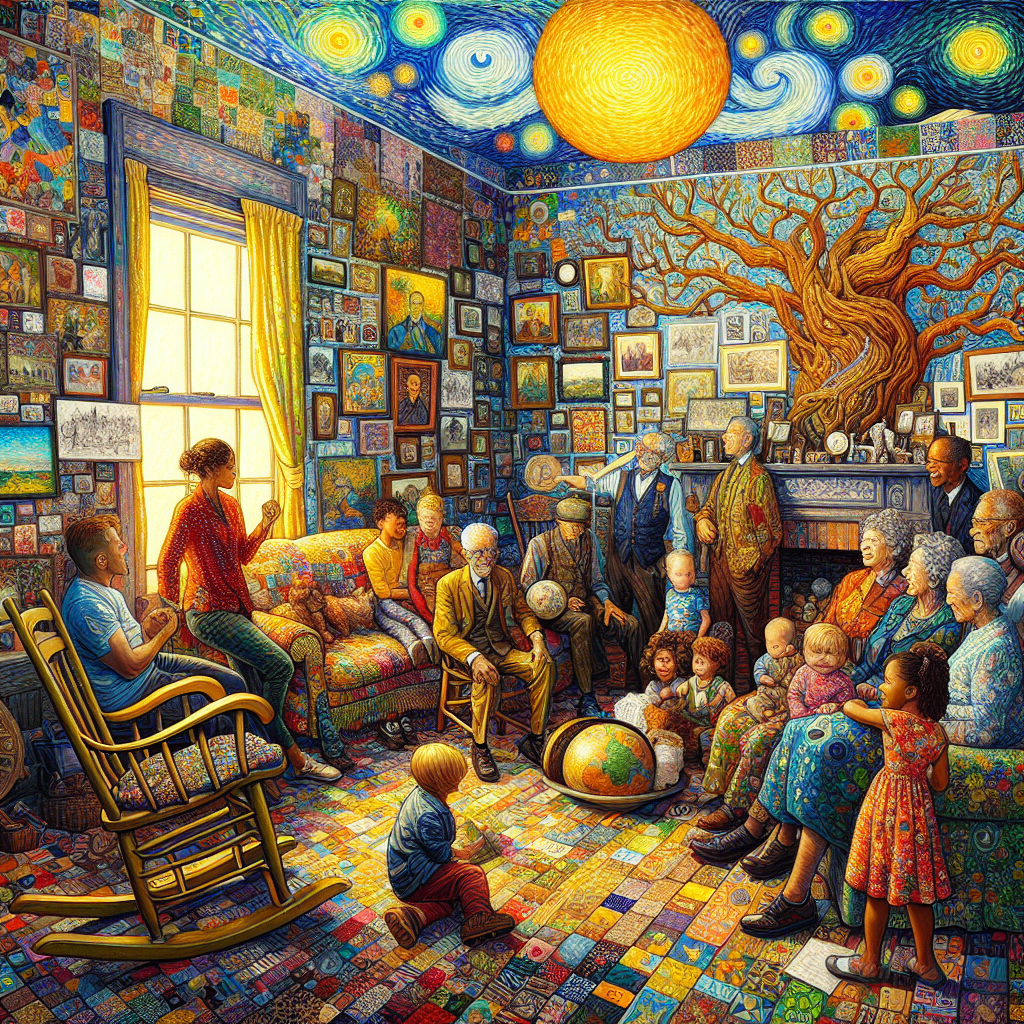
Conclusion
Conclusion:
- Your estate should embody your life story and values, serving as a legacy rather than just a collection of possessions.
- Estate planning is a purposeful journey that shapes future generations’ reflections on you through legacy storytelling.
- Each item in your estate, like heirlooms or community projects, contributes to a narrative that inspires and connects your family.
- A rational approach to estate planning can reduce conflicts, promote family unity, and enhance emotional health among heirs.
- Aligning your estate with your values fosters a stronger community and shapes a better future for those who come after you.
- Your estate plan must be adaptable, evolving with family dynamics and ensuring ongoing alignment with your intentions.
- Engaging in thoughtful estate planning allows you to create a dynamic legacy that reflects your impact and the stories you’ve built.
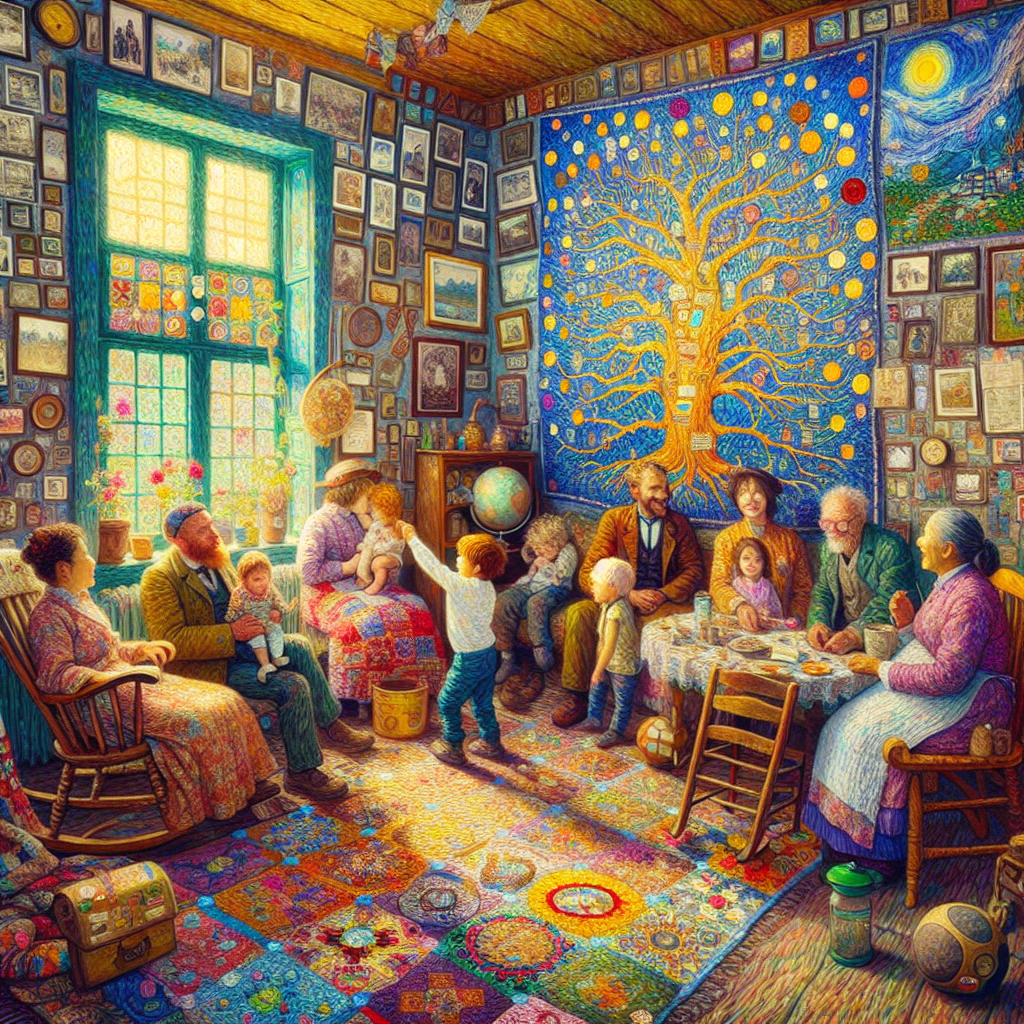
Conclusion
Other Resources
Other Resources
Here is a list of other resources you can review online to learn more:
- Is There A Need To Pay For Copyrighting Services For Personal Or Family Legacy Stories?
- FuneralWise
- How To Write Legacy Story Headlines That Appeal To The Heart, Gut and Head
- Willmaker
- EverNote
- APH
- Storyfile Life
- LifeBio
- Bcelebrated
- PartingWishes
- EverLoved
- Funeral Services Guide
- Memorial Matters
- Personal Legacy Advisors
- Funeral Finder
- Meminto
- AmericanAncestors
- LifeNaut
- Ancestry
- Storyfile
Use This Prompt To Get More Resources With Your Favorite Online AI Tool: Please provide me with a list of online articles with their URLs in a bulleted list that I can read regarding Your Estate, Modeled Like a Startup Exit

Other Resources
Glossary Terms
Your Estate, Modeled Like a Startup Exit – Glossary Of Terms
1. Estate Planning: The process of arranging the management and distribution of an individual’s assets after their death.
2. Startup Exit: The event when entrepreneurs sell their startup to another company or go public, providing returns to investors.
3. Asset Valuation: The process of determining the worth of various assets within an estate or startup.
4. Liquidation: The conversion of assets into cash, often necessary during estate distribution or in an exit strategy.
5. Equity: Ownership interest in a business, represented as shares within a corporation or as stakes in a startup.
6. Vesting: The process by which an individual earns the right to assets or benefits over time, commonly applicable in stock options.
7. Tax Implications: Financial consequences related to taxes that arise during estate transfers or a startup exit.
8. Beneficiary: An individual or entity designated to receive assets or benefits from an estate or trust.
9. Exit Strategy: A planned approach to selling a business or disposing of assets, including timelines and methods.
10. Will: A legal document outlining how an individual’s assets should be distributed after their death.
11. Trust: A legal arrangement where one party holds and manages assets for the benefit of another.
12. Due Diligence: Investigation and evaluation of potential investments and their risks, crucial during asset sales.
13. Liquidating Trust: A trust formed for the purpose of selling assets and distributing the proceeds to beneficiaries.
14. Market Timing: The strategy of buying or selling assets based on perceived market cycles, relevant in both startup exits and estate sales.
15. Succession Planning: Preparing for the transfer of management roles and ownership, either in a business or estate.
16. Comprehensive Insurance: Coverage that protects various aspects of an estate or business, ensuring value is maintained.
17. Charitable Remainder Trust: A financial vehicle that provides income to a beneficiary while donating the remainder to charity after death.
18. Pre-Money Valuation: The valuation of a startup before new investment or capital infusion, influences exit planning.
19. Post-Money Valuation: The valuation of a startup after investment has been made, important for understanding equity stakes during exit.
20. Selling Shareholder: An owner of a startup who is looking to sell their stake, akin to distributing an estate’s assets.
21. Family Office: A private wealth management advisory firm that serves ultra-high-net-worth individuals, often managing estates and investments.
22. Negotiation: The discussion aimed at reaching an agreement on the sale of assets or terms of an estate distribution.
23. Encumbrance: A claim against an asset, such as a mortgage that could affect its value during liquidation.
24. Deferred Compensation: Earnings set aside to be paid out at a later date, which can have implications for estate and succession planning.
25. Market Acquisition: The process by which an entity purchases assets directly from another entity, relevant to both estate and startup fields.
26. Fair Market Value: An estimate of the market value of an asset under standard conditions, crucial in estate assessment.
27. Asset Protection: Strategies to safeguard one’s assets from creditors or legal claims, important in both estate management and business.
28. Buy-Sell Agreement: A contract among business owners outlining terms for transferring ownership stakes, relevant in estate and business transitions.
29. Intangible Assets: Non-physical assets, such as trademarks or patents, that are evaluated in both estates and startups.
30. Exit Multiple: A financial metric used to evaluate the sale price of a startup relative to its earnings or revenue, guiding exit strategies.

Glossary Of Terms
Other Questions
Your Estate, Modeled Like a Startup Exit – Other Questions
If you wish to explore and discover more, consider looking for answers to these questions:
- What key elements should be included in an intentional estate plan?
- How can I effectively communicate my legacy vision to my family?
- What steps can I take to ensure my estate reflects my personal values?
- What are the tax implications of my estate plan, and how can I minimize them?
- How can storytelling enhance the understanding of my estate planning decisions?
- What resources are available for estate planning assistance?
- How often should I review and update my estate plan to ensure its relevance?
- What common mistakes do people make in estate planning, and how can I avoid them?
- How can I involve younger generations in the process of estate planning?
- What are the benefits of creating a family narrative around my estate?
- How can I ensure that my estate planning decisions encourage cooperation among my heirs?
- In what ways can my estate support community initiatives or charitable causes?
Other Questions
Haiku
Your Estate, Modeled Like a Startup Exit – A Haiku
Craft your legacy well,
Stories weave through time and hearts,
Values guide the way.
Haiku
Poem
Your Estate, Modeled Like a Startup Exit – A Poem
In a world where stories breathe and live,
Your estate, a canvas, waits to give,
Not just bricks and mortar, nor mere cash to pass,
But whispers and echoes, a legacy amassed.
Picture around the table, generations share,
Tales of heartbeats and laughter, lessons laid bare,
For every decision today, a thread in the loom,
Weaving together memories that chase away gloom.
Like a startup’s bright exit, strategize your intent,
Each asset a beacon, a heartfelt testament,
Invest your values, let them illuminate the night,
Creating a guide for others, leading them right.
With every heirloom and story you choose,
A wise legacy crafted, there’s much to infuse,
Empower the young with your journey’s embrace,
Foster connection, give heart and place.
When family bonds flourish, the legacy thrives,
Through trials and triumphs, in love it survives,
An ethical duty, to shape what you’d see,
Your choices echo loudly, let your spirit be free.
Engage in the dialogue, share more than your wealth,
Craft dreams that inspire, nurturing health,
For it’s not just possessions that will truly remain,
But the stories of people, through joy and through pain.
So, seize this chance, let your life’s song be sung,
Your estate — a reflection, where life’s tales are strung,
To exit not in silence, but with purpose and pride,
Creating connection, with love as your guide.
Poem
Checklist
Your Estate, Modeled Like a Startup Exit – A Checklist
Estate Legacy Planning Checklist
Emotional Appeals (Heart)
_____ Reflect on Personal Values: Identify the core values you want your legacy to represent.
_____ Storytelling Elements: List key stories, memories, and traditions that define your life and start sharing them.
_____ Designate Heirlooms: Choose items that carry significant emotional weight to pass down with their stories.
_____ Communicate Intentions: Plan family gatherings to discuss your wishes and the significance of your legacy.
Rational Appeals (Head)
_____ Organize Assets: Create an inventory of all your assets and ensure they are well-organized.
_____ Research Estate Planning Tools: Learn about wills, trusts, and other estate planning options to minimize taxes and avoid probate.
_____ Engage Professionals: Consult with estate planners and financial advisors for insights tailored to your situation.
Ethical Appeals (Ethics)
_____ Align Financial Choices with Values: Assess your investments and philanthropic causes to ensure they reflect your ethics.
_____ Empower Future Generations: Outline how your decisions can inspire ethical behavior in your heirs.
_____ Consider Community Impact: Plan contributions that enhance your community and encourage others to follow your lead.
Authority Appeals (Authority)
_____ Utilize Expert Guidance: Seek advice from qualified estate planners and legal advisors to validate your planning.
_____ Educate Yourself: Stay informed on best practices in estate planning and understand the legal implications of your decisions.
Narrative Appeals (Narrative)
_____ Create a Legacy Document: Draft a narrative that articulates your life story, values, and the lessons learned.
_____ Incorporate Feedback: Involve family members in shaping the legacy narrative to ensure it resonates across generations.
Social Appeals (Social)
_____ Establish Communication Channels: Foster open discussions about family history and values through digital platforms or gatherings.
_____ Build a Community of Legacy Seekers: Connect with others who prioritize legacy planning to exchange ideas and support each other.
_____ Encourage Story Sharing: Create opportunities within your family to share stories regularly to strengthen bonds and preserve history.
Make your legacy a reality by embracing these steps and ensuring that your story is passed on with intent and purpose.

Checklist
At LegacyExplorations, we help people plan and explore their legacy by collecting information and news regarding end-of-life planning.
Please share this post with your friends, family, or business associates who may want help to plan or explore their legacy.