

Protecting Your Legacy: Essential Estate Tips For Boomers
By Tom Seest
At LegacyExplorations, we help people plan and explore their legacy by collecting information and news regarding end-of-life planning.
Please share this post with your friends, family, or business associates who may want help to plan or explore their legacy.
Your Final Privacy Settings – Estate Tips for Boomers
When it comes to laying the groundwork for your legacy, crafting your final privacy settings isn’t just about numbers, passwords, or fancy encryption. It’s a deeply personal endeavor that connects your heart, head, and gut. Each decision you make is a brushstroke in the larger portrait of your life—a chance to shape your legacy storytelling in ways that resonate with those you leave behind.
Think about it: what stories do you want your loved ones to pass on? Perhaps it’s the ambitions that inspired you, the wise lessons learned in the fire of life, or the quirky family traditions that deserve to live on. Your digital footprint may seem ephemeral, but it’s that tapestry of memories and beliefs that will linger long after you’re gone. Take the time to set clear privacy settings on your social media accounts, blogs, and your digital assets to ensure only those you trust can carry your narrative forward.
Now, let’s get real for a moment. You know the world has shifted; everything seems to be online. By taking action today, you’re putting yourself in the driver’s seat. It’s about more than just protecting your information—it’s about safeguarding your voice. Imagine the peace of mind that accompanies knowing your children and grandchildren will receive a curated account of your life, filled with the essence of who you are, rather than a confusing mix of scattered posts and forgotten accounts.
Ethically, it’s a responsibility we owe our loved ones. The digital space isn’t just a playground; it’s a domain where your legacy can thrive or wilt. It’s on us to ensure they inherit clarity and understanding, free of digital clutter and uncertainty. Work with professionals if you need to; there’s no shame in asking for help to navigate these waters.
And let’s not overlook the social aspect. When you share your legacy in an intentional way, you inspire others to do the same. Foster conversations with family and friends about their own settings and stories, creating a culture of connection. It’s okay to feel vulnerable; that’s part of being human. Embrace it. The dialogue about privacy and legacy isn’t just a task—it’s an invitation to share and engage in what truly matters.
Ultimately, managing your final privacy settings is an act of love, courage, and responsibility. So grab the reins and tell your story the way you want it to be told. Your future generations will thank you.

Your Final Privacy Settings – Estate Tips for Boomers
Your Final Privacy Settings – Estate Tips for Boomers
- Setting final privacy settings is a deeply personal and emotional process.
- Your digital footprint carries your legacy, encompassing stories and lessons for loved ones.
- Clear privacy settings ensure trusted individuals can share your narrative appropriately.
- Taking action now protects your voice and shapes how future generations perceive you.
- It’s a responsibility to provide clarity and understanding to loved ones in the digital space.
- Engaging in conversations about legacy and privacy can inspire others to reflect on their own legacies.
- Managing privacy settings is an act of love, courage, and responsibility towards future generations.

Your Final Privacy Settings – Estate Tips for Boomers
Table Of Contents
- Your Final Privacy Settings – Estate Tips for Boomers
- What Legacy Do You Want to Leave Behind for Your Loved Ones?
- Are Your End-Of-Life Wishes Documented and Accessible for Your Family?
- How Do You Balance Privacy and Transparency When Sharing Your Wishes?
- How Can Your Estate Plan Reflect Your Personal Values and Beliefs?
- Are You Aware Of the Latest Laws Affecting Estate Planning?
- Who Can You Trust to Carry Out Your Wishes When the Time Comes?
- How Can Storytelling About Your Life Help Your Heirs Understand You?
- Conclusion
- Other Resources
- Glossary Of Terms
- Other Questions
- Haiku
- Poem
- Checklist
What Legacy Do You Want to Leave Behind for Your Loved Ones?
What legacy do you want to leave behind for your loved ones? It’s a question that tugs at the heartstrings, urging us to reflect on our time here. Imagine your loved ones decades from now, gathered around a fire, sharing stories of you—each tale a thread in the fabric of their lives. This is what legacy storytelling is all about: weaving the narrative of your life into the essence of who they are.
Digging deeper, let’s consider the hard truths. Life is fleeting. We’re here one moment and gone the next. However, that doesn’t mean we have to fade into obscurity. Leave a mark. Whether it’s the values you upheld, the lessons you imparted, or the simple, everyday acts of kindness, every choice you make builds your story. Think about that for a moment—how do you want to be remembered? As someone who chased ambitions at the expense of relationships, or as a person who cultivated deep, meaningful connections?
What if you took a step further, transforming those connections into a legacy imbued with purpose? Share your failures, triumphs, and those moments of grit that define who you are. This isn’t just about achieving accolades; it’s about the journeys you took along the way. When your loved ones recount these experiences, they’ll find not just a glorified eulogy, but lessons that anchor them amid life’s storms.
Consider the ethical obligation we have to future generations. It’s not just about you—it’s about them. What truths and wisdom do they need to navigate their unique paths? Could your choices be the guiding compass in their own journeys? Reflect on the values you uphold: honesty, hard work, compassion. Embed these virtues in your legacy story, so they resonate long after you’re gone.
Finally, foster social connections that ignite inspiration and resilience. Be the catalyst that encourages your loved ones to share their own stories, creating a ripple effect through generations. Together, you can build a community bound by shared experiences, a tapestry woven from both your triumphs and failures.
So, what legacy do you want to leave behind? Embrace your story. Shape it with intention. Let it be a gift to your loved ones that nourishes them as they face the world, forging ahead with strength and conviction, buoyed by the wisdom of your life lived fully.

What Legacy Do You Want to Leave Behind for Your Loved Ones?
What Legacy Do You Want to Leave Behind for Your Loved Ones?
- Reflect on the legacy you want to leave for your loved ones.
- Consider how your life stories weave into their future narratives.
- Life is fleeting; aim to leave a meaningful mark through your values and kindness.
- Transform connections into a legacy filled with purpose and shared experiences.
- Focus on the ethical obligation to guide future generations with your wisdom.
- Encourage social connections to inspire resilience and create a ripple effect.
- Embrace and shape your story to nourish and empower your loved ones.

What Legacy Do You Want to Leave Behind for Your Loved Ones?
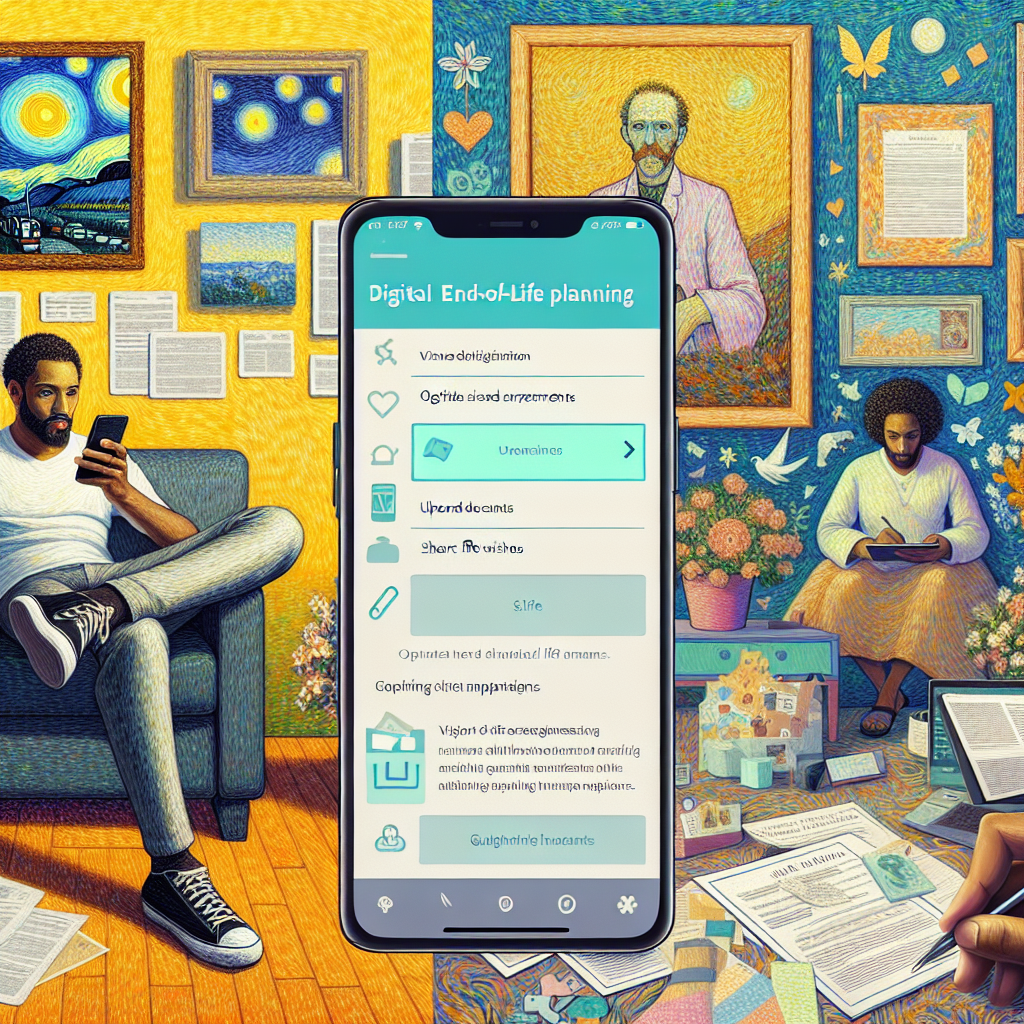
Are Your End-Of-Life Wishes Documented and Accessible for Your Family?
When you think about end-of-life wishes, it’s easy to let the mind drift into a fog of discomfort—after all, it’s a topic few of us want to tackle. Yet here’s the truth: having a thoughtful, organized plan isn’t just an exercise in practicalities; it’s a gift you give your family, a way to ensure your legacy lives on in the way you envision. Picture this—a family gathered together, sharing laughs and stories about you, finding solace in knowing what you truly wanted. This is the power of legacy storytelling.
Emotionally, the connection a family has in their most vulnerable moments can either uplift or fracture them. Imagine leaving them to navigate the storm of decisions without a map or a compass. It’s not just about medical directives or where you want to be laid to rest; it’s about crafting a narrative of who you are, what you cherished, and how you want to be remembered. It puts them in touch with your values, your passions, and the love that binds you all together.
Now, let’s engage your head. Consider the facts: families that engage in this conversation early on often fare better during times of grief. Surveys show that having these wishes documented leads to decreased anxiety and confusion when the moment arrives. It empowers your loved ones to honor your requests confidently and clearly, reducing the emotional burden on them during an already tough time.
Ethically, you owe it to those who care about you. It’s about respect—respect for their emotional welfare and for the journey you’ve walked. By taking this step, you’re not only affirming your voice in your own story but also sparing them the anguish of having to guess what you would have wanted.
The connection doesn’t end there. Think about the social ripple effect; when families witness someone doing this, it inspires them to do the same. It starts conversations that transcend generations, encouraging others to open up about their own end-of-life wishes.
Take the leap. Grab a pen, gather your thoughts, and begin documenting your wishes. When you weave your legacy story into the lives of others, you’re not just preparing for the end; you’re enriching the lives of everyone you love. Make it accessible, make it clear, and above all, share it with family. In doing so, you transform what is often difficult into a powerful act of love.
Are Your End-Of-Life Wishes Documented and Accessible for Your Family?
Are Your End-Of-Life Wishes Documented and Accessible for Your Family?
- End-of-life wishes can be uncomfortable to discuss, but creating a thoughtful plan is a gift for your family.
- A well-crafted legacy allows loved ones to share stories and memories, connecting them emotionally during vulnerable times.
- Providing clear directives reduces the burden of decision-making for family members and helps them honor your wishes confidently.
- Documenting your wishes can lead to decreased anxiety and confusion for families when the time comes.
- Respecting the emotional well-being of your loved ones by clearly articulating your desires affirms your voice in your own story.
- Sharing your end-of-life wishes can inspire others to engage in similar conversations, creating intergenerational dialogue.
- Taking the initiative to document and share your legacy story enriches the lives of your family and transforms a difficult topic into an act of love.

Are Your End-Of-Life Wishes Documented and Accessible for Your Family?
How Do You Balance Privacy and Transparency When Sharing Your Wishes?
When it comes to balancing privacy and transparency in sharing your wishes, it can feel like walking a tightrope. On one side, you’ve got the desire to keep certain aspects of your life private, a natural instinct rooted deep within us all. After all, some things are sacred—like the intimate stories that shape our legacies. On the other side, there’s a compelling urge to connect with loved ones, to engage in meaningful legacy storytelling that resonates through generations.
You want your family and friends to know your values and dreams without exposing your vulnerabilities. It’s a tricky dance, bringing together the heart and the mind. When we share our hopes and dreams, we open a door inviting people into our lives. You’re not just telling them what you want; you’re offering them pieces of who you are. That kind of vulnerability fosters trust, creating bonds that are hard to break.
From a rational standpoint, consider the profound impact your wishes can have on your loved ones. Clarity helps ease grief and confusion, while ambiguity often breeds resentment and misunderstandings. Taking the time to articulate your desires transparently can be a gift, not just to yourself, but to those you care about. Imagine a scenario where your family gathers to discuss your wishes, feeling informed and empowered rather than wrestling with uncertainty. You’ve not only shared your wishes; you’ve paved the way for understanding and unity in times of need.
Ethically speaking, sharing your intentions can alleviate burdens. The anxiety of not knowing what you would have wanted can weigh heavily on those left behind. By being transparent, you instill confidence in your loved ones, guiding them to honor your memory in a way that feels right to them.
Ultimately, sharing your wishes is about fostering connection. It’s about creating a tapestry of understanding and love that intertwines the lives of those who matter most. More than just a necessity, it’s an invitation to celebrate life—even in its toughest moments. So when you sit down to contemplate your legacy, remember: it’s not just about you. It’s about every heart you touch along the way. Embrace that, and you’ll find the balance between privacy and transparency is less a burden and more a beautiful opportunity to share your story.

How Do You Balance Privacy and Transparency When Sharing Your Wishes?
How Do You Balance Privacy and Transparency When Sharing Your Wishes?
- Balancing privacy and transparency is like walking a tightrope between personal instinct and connection.
- Sharing intimate stories shapes our legacies while allowing meaningful connections with loved ones.
- Expressing hopes and dreams fosters trust and strengthens bonds with family and friends.
- Clear communication about wishes can ease grief and reduce misunderstandings among loved ones.
- Being transparent instills confidence in loved ones, allowing them to honor your memory authentically.
- Sharing your wishes helps create a tapestry of understanding and love, intertwining lives.
- Ultimately, sharing your story is about fostering connection and celebrating life’s journey.

How Do You Balance Privacy and Transparency When Sharing Your Wishes?
How Can Your Estate Plan Reflect Your Personal Values and Beliefs?
When it comes to crafting an estate plan that truly reflects your personal values and beliefs, it’s not just about divvying up your assets; it’s about weaving your legacy into a rich tapestry of storytelling. Think of your estate plan as a final chapter in a compelling book, one that continues to inspire when you’re no longer around.
Let’s face it: Our possessions may lose their luster, but the values we pass on can shape the beliefs and decisions of generations. Whether it’s a commitment to education, a love for the environment, or a dedication to community service, these ideals can breathe life into how your assets are handled after you’re gone. Make a deliberate choice to embed your passions into every aspect of your plan. A charitable trust? It’s not just a financial instrument; it’s a way to plant seeds of change and cultivate a better world that mirrors your principles.
Now, let’s get real. This isn’t just about making sure Aunt Edna gets the family heirloom. It’s about ensuring that every allocation, every decision, resonates with what you stood for. Including values-based directives can elevate your estate plan from a mere legal obligation to a powerful manifesto of your life’s mission. This act of Legacy Storytelling will engage your loved ones on multiple levels—head, heart, and gut. They’ll not only understand your decisions but feel the undercurrent of your hope for them to carry on in your spirit.
And remember, crafting this type of plan requires a thoughtful conversation with your family. Discuss your wishes openly, fostering a dialogue that may lead to deeper connections and shared understanding. Are your kids ready to pick up the torch of volunteer work? Do they relish the idea of supporting causes that meant a lot to you? Inviting them into the process allows your values to transcend mere words. It’s an ethical responsibility and an opportunity to fortify bonds that may sometimes fray under the weight of uncertainty.
So, take a moment and look beyond the paperwork. Reflect on what matters most to you. When your estate plan embodies your principles and beliefs, it becomes more than just a safeguard; it’s a living testament to who you are and what you cherish. That’s the kind of legacy that does more than endure; it inspires others to reach for greatness, driven by your example.

How Can Your Estate Plan Reflect Your Personal Values and Beliefs?
How Can Your Estate Plan Reflect Your Personal Values and Beliefs?
- Crafting an estate plan is about reflecting personal values and beliefs, not just dividing assets.
- Your estate plan acts as a final chapter that inspires future generations through storytelling.
- Values passed on can shape beliefs and decisions, influencing how assets are handled after you’re gone.
- Embed your passions into your estate plan, using instruments like charitable trusts to promote meaningful change.
- Include values-based directives to elevate your estate plan from a legal obligation to a powerful manifesto.
- Engage in thoughtful conversations with family to strengthen connections and clarify your wishes.
- An estate plan that embodies your principles becomes a testament to who you are and inspires others.

How Can Your Estate Plan Reflect Your Personal Values and Beliefs?
Are You Aware Of the Latest Laws Affecting Estate Planning?
Life has a way of throwing curveballs when you least expect them, and estate planning is often one of those discussions we shove aside, assuming we have all the time in the world. But let’s pause for a moment and think about what’s truly at stake. Your legacy is more than just a collection of assets; it’s a storytelling with your loved ones as the audience. What do you want them to remember? It’s not just about dollars and deeds, but the values you impart, the lessons learned, and the love shared.
Recently, new laws have emerged that shift the landscape of estate planning, and they could significantly impact how your wishes are carried out. This isn’t just red tape and legal jargon; these changes can affect the emotional fabric of your family’s future, redefining how your story is told after you’re gone. Think about the people you love the most—do you really want them scrambling through confusion and miscommunication when they should be celebrating your life and honoring your memory?
The rational mind understands that navigating these complex laws isn’t merely a task for another day. It’s about ensuring that your wishes are respected and that your loved ones are protected. With regulatory updates that might affect tax implications or the allocation of assets, now is the time to ask questions and seek guidance from professionals who can help you navigate these waters. You wouldn’t build your dream home without a solid blueprint—your estate planning should be no different.
Ethically, it’s your responsibility to make choices that uplift your loved ones, sparing them unnecessary hardship during what will already be an incredibly emotional time. As members of a society that values family, community, and connection, we owe it to ourselves and those we love to be proactive rather than reactive.
Everyone has a story, but sharing your legacy through thoughtful estate planning is a choice that fosters trust and reassurance. It’s a cooperative effort—by discussing plans openly, you allow your family to feel empowered rather than burdened by uncertainty. This isn’t just about protecting your assets; it’s about shaping the narrative of your life and how it will ripple through the hearts of those you leave behind. So, come together, have those difficult conversations, and take that important step. After all, who better to author your legacy story than you?

Are You Aware Of the Latest Laws Affecting Estate Planning?
Are You Aware Of the Latest Laws Affecting Estate Planning?
- Estate planning is often overlooked, but is crucial for ensuring your legacy is honored.
- Your legacy consists of values, lessons, and love shared, not just material assets.
- New laws in estate planning can significantly impact how your wishes are carried out.
- Proper planning can prevent confusion and miscommunication among loved ones after your passing.
- It is essential to seek guidance from professionals due to complex regulatory changes affecting taxes and assets.
- Being proactive in estate planning helps protect your loved ones from unnecessary emotional hardship.
- Open discussions about your estate plan empower your family and shape the narrative of your legacy.

Are You Aware Of the Latest Laws Affecting Estate Planning?
Who Can You Trust to Carry Out Your Wishes When the Time Comes?
When the time comes to make difficult decisions about our end-of-life wishes, it’s essential to know who we can trust. This isn’t just about designating a power of attorney or naming an executor; it’s about weaving a tapestry of emotion and intellect, all while respecting our legacy storytelling. The folks we choose as our trusted allies need to embody qualities that resonate not just in our heads, but in our hearts and guts.
Start with family and friends—the people who know you inside and out, the ones who have shared your joys, sorrows, and everything in between. They understand your values, your hopes, and your dreams. You want someone who will honor your wishes not just as a task but as a sacred responsibility. When selecting these individuals, consider their emotional intelligence and ability to engage in difficult conversations. They must be comfortable navigating the messy terrain of loss and legacy, carrying forward your hopes in their hearts.
Move beyond the emotional ties, and think rationally. Ask yourself who possesses the necessary skills to handle complex legal and financial matters. Ideally, you should seek those with knowledge or experience in estate planning, or at least individuals who can learn and adapt. Your choice shouldn’t be based solely on loyalty, but on a combination of trustworthiness and competence. They should engender confidence that they can make sound decisions that fulfill your wishes. After all, you don’t want someone fumbling through critical moments when clarity is key.
Ethically, these trusted individuals should respect your values without projecting their own agendas onto your legacy. This means open dialogues and perhaps some tough conversations on sensitive topics. Encourage them to embrace responsible decision-making, and remind them of the fragility of life; it’s essential that this not become a mere administrative checkbox, but rather an ethical commitment to uphold your story.
Finally, consider the social implications of your choices. Your network, friends, and family will inevitably be impacted by who carries forth your wishes. They’ll need someone who can foster connection in challenging times, ensuring that your legacy storytelling serves not just you, but everyone who loved and cared for you. The right combination of heart, head, and gut can guide you to someone who will carry your dreams into the future—someone who will turn your wishes into a living tapestry of memories and meanings, creating a legacy that endures.

Who Can You Trust to Carry Out Your Wishes When the Time Comes?
Who Can You Trust to Carry Out Your Wishes When the Time Comes?
- Trust is crucial when making end-of-life decisions, extending beyond mere legal designations.
- Family and friends are ideal candidates for trusted allies due to their deep understanding of your values and emotions.
- Choose individuals who view honoring your wishes as a sacred responsibility rather than just a task.
- Emotional intelligence and the ability to navigate difficult conversations are key traits to look for in these allies.
- Rationality is also important; select people with skills in estate planning and financial matters to ensure competent decision-making.
- Ethical respect for your values is essential to avoid conflicts and ensure your wishes are honored responsibly.
- Consider the social implications of your choices, as your network will be affected by who carries forth your legacy.

Who Can You Trust to Carry Out Your Wishes When the Time Comes?
How Can Storytelling About Your Life Help Your Heirs Understand You?
When you think about your life, what do you see? A series of milestones? Achievements stacked one on top of the other like trophies on a shelf? Or do you see a continuous narrative, woven together by the moments that truly matter? Legacy storytelling isn’t just about recounting events; it’s about crafting a tapestry of experiences that can guide your heirs long after you’re gone.
Consider this: every scar, every triumph, every choice you made has shaped not just your life, but the lives of those who came after you. Your children or grandchildren won’t just want to know who you were; they’ll want to understand *why* you became that person. Legacy storytelling gives them access to the heart of your journey. It invites them to sit down with you, to listen closely as you share the lessons learned in both hardship and celebration. Those stories will resonate in their minds for years to come, offering insight and inspiration when they face challenges of their own.
Now, let’s engage your rational side. Think about the countless hours spent teaching skills, imparting wisdom, and sharing values. All that effort can feel like it dissipates if it’s not anchored in a story that connects the dots. Facts and figures are easy to forget, but stories stick. They have a way of embedding themselves into our hearts and memories, becoming a part of our very being. This means your lessons endure, providing a framework for your heirs as they navigate their own paths.
From an ethical standpoint, it’s about responsibility. We owe it to those we love to pass along our experiences, both the glorious and the messy. They deserve to know the struggles that shaped you, the mistakes that taught you, and the victories that made it worth it. It’s an invitation to your heirs to handle the weight of family history with respect and understanding.
So, why wait? Start telling your story today. It doesn’t have to be grand or polished; it just needs to be true. When you share your narrative, you’re not just leaving a legacy—you’re forging a connection that transcends time. You’re empowering your heirs to embrace their own stories, inspired by yours. And in this tangled web of life, isn’t that what we all hope for? A thread of understanding that ties generations together, creating a family rich in shared experiences and mutual respect.

How Can Storytelling About Your Life Help Your Heirs Understand You?
How Can Storytelling About Your Life Help Your Heirs Understand You?
- Life can be seen as milestones or as a continuous narrative of meaningful moments.
- Legacy storytelling involves crafting a tapestry of experiences for future generations.
- Every experience shapes not only your life but also the lives of your descendants.
- Children and grandchildren seek to understand *why* you became who you are, not just *who* you were.
- Stories help anchor lessons learned, making them memorable and impactful.
- Passing down both triumphs and struggles is an ethical responsibility to those we love.
- Sharing your story fosters connection and empowers future generations to embrace their own narratives.
How Can Storytelling About Your Life Help Your Heirs Understand You?
Conclusion
Legacy planning is more than merely arranging paperwork or adhering to legal protocols; it’s a profound act of love and foresight that shapes how we will be remembered. Every decision about your estate, how you wish to be honored, and what values you want to pass on, speaks to the essence of who you are. You hold the brush to paint your legacy, ensuring it tells a story that resonates deeply with those you cherish. Think about the conversations you wish your loved ones to have long after you are gone—those memories could offer comfort and guidance, carrying their own threads of laughter, tears, and lessons learned.
As the world moves increasingly online, your digital footprint can become a vital part of this narrative. Crafting clear privacy settings isn’t just a technical requirement; it’s an opportunity to safeguard your voice and ensure that only your trusted loved ones can share in the richness of your story. This action embodies responsibility and ethicality, letting future generations witness a curated version of your life filled with meaning rather than chaos.
It’s essential to confront the uncomfortable realities of life. Death beckons us to address our end-of-life wishes openly, reinforcing the idea that planning isn’t a morbid task but a compassionate gift for those we love. Documenting your desires creates a roadmap, a guiding light in moments of darkness when your family may otherwise struggle with uncertainty. Sharing these wishes can also inspire others to partake in similar discussions, leading to a culture of openness that breeds understanding and compassion.
Choosing trusted individuals to carry out your plans is another crucial layer in crafting your narrative. Seek those who blend emotional intelligence with the practical skills necessary to honor your legacy—the ones capable of handling tough conversations with sensitivity yet firmness. This choice isn’t merely about assigning roles; it’s about entrusting your story to someone who understands its significance and will advocate for its continuation.
Ultimately, legacy storytelling should connect the heart, head, and gut. It requires vulnerability but returns profound rewards: a legacy that intertwines with your family’s history, enriching the tapestry of their lives. The measure of our journeys isn’t just in the accolades we achieve but in the echoes of wisdom we leave behind. Stand firm in the choices you make, reflect on what truly matters, and share your story. It’s one of the most significant gifts you can offer—the chance for your influence to endure, for your lessons to guide, and for love to linger long after you’ve said goodbye.

Conclusion
Conclusion:
- Legacy planning goes beyond legalities; it’s a loving act that shapes remembrance.
- Your estate decisions reflect your values and the story you wish to convey.
- Consider the conversations and memories you want to leave behind for your loved ones.
- Your digital footprint is an important aspect of your narrative and should be safeguarded.
- Planning for end-of-life wishes is a compassionate gift that offers clarity and comfort.
- Select trusted individuals with emotional intelligence to carry out your legacy plans.
- A well-crafted legacy story enriches family history, leaving enduring lessons and love.
Conclusion
Other Resources

Other Resources
Here is a list of other resources you can review online to learn more:
- FindMyPast
- MyMoriam
- RocketLawyer
- YouMattered
- LegalNature
- My Wonderful Life
- LifeNaut
- Directive Communication Systems
- GhostMemo
- Willmaker
- PartingWishes
- MyHeritage
- ForeverMissed
- DocuBank
- LifeSite
- LegalZoom
- USLegalWills.com
- Afternote
- Xarona
- 23AndMe
Use This Prompt To Get More Resources With Your Favorite Online AI Tool: Please provide me with a list of online articles with their URLs in a bulleted list that I can read regarding Your Final Privacy Settings – Estate Tips for Boomers

Other Resources
Glossary Terms
Your Final Privacy Settings – Estate Tips for Boomers – Glossary Of Terms
1. Estate Planning: The process of preparing for the transfer of a person’s wealth and assets after their death.
2. Will: A legal document that outlines how a person’s assets and property should be distributed upon their death.
3. Trust: A fiduciary arrangement that allows a third party to hold assets on behalf of beneficiaries, often used to avoid probate.
4. Probate: The legal process of validating a will and administering an estate, including settling debts and distributing assets.
5. Beneficiary: An individual or entity designated to receive assets from a trust or estate.
6. Executor: The person appointed in a will to administer the estate and ensure that the decedent’s wishes are fulfilled.
7. Power of Attorney: A legal document that grants someone the authority to make decisions on behalf of another person, especially regarding financial or medical matters.
8. Living Will: A document that outlines a person’s preferences regarding medical treatment and end-of-life care.
9. Healthcare Proxy: A legal document that designates someone to make medical decisions on an individual’s behalf if they are unable to do so.
10. Asset Inventory: A comprehensive list of an individual’s assets, including real estate, bank accounts, and personal property, important for estate planning.
11. Tax Implications: The potential taxes that can affect the transfer of assets, including estate tax and inheritance tax.
12. Joint Tenancy: A form of property ownership where two or more people hold the title together, with rights of survivorship.
13. Gifting: The act of transferring property or assets to another person before death, which may reduce estate taxes.
14. Intestate: The condition of having died without a valid will, leading to the distribution of assets according to state laws.
15. Trustee: A person or institution responsible for managing a trust according to its terms and in the best interests of the beneficiaries.
16. Living Trust: A trust created during an individual’s lifetime that holds assets and can help avoid probate.
17. Estate Tax: A federal or state tax imposed on the transfer of property upon death, based on the value of the estate.
18. Inheritance: Assets received from a deceased person’s estate by a beneficiary.
19. Legacy: An amount of money or property left to someone in a will, often associated with broader values or intentions.
20. Charitable Trust: A trust established for charitable purposes, allowing for tax deductions and supporting organizations after death.
21. Family Limited Partnership: A partnership designed to manage family-owned business or assets and facilitate wealth transfer while maintaining control.
22. Digital Assets: Online accounts and properties, such as social media accounts and digital currencies, that may require specific instructions for after death.
23. Healthcare Directives: Legal documents that express an individual’s medical preferences and appoint a healthcare proxy.
24. Disinheritance: The act of intentionally excluding a potential heir from receiving a portion of an estate.
25. Final Expenses: The costs associated with a person’s death, including funeral and burial expenses.
26. Benevolent Transfers: Gifts made to individuals or charities, often during a person’s lifetime, as part of a philanthropic strategy.
27. Ascertainable Standard: A legal principle allowing a trustee to make discretionary distributions based on specific conditions, such as health or education.
28. Escrow: A financial arrangement where a third party holds and disburses funds or assets during a transaction, often until certain conditions are met.
29. Survivorship Clause: A provision in a will or trust that specifies how assets will be distributed in the event beneficiaries pass away before the grantor.
30. Estate Distribution: The process of dividing and transferring estate assets according to a will or state law in the absence of a will.

Glossary Of Terms
Other Questions
Your Final Privacy Settings – Estate Tips for Boomers – Other Questions
If you wish to explore and discover more, consider looking for answers to these questions:
- What steps should I take to document my end-of-life wishes?
- How can I effectively communicate my legacy plans to my family?
- What digital assets should I include in my estate planning?
- How do I choose the right executor for my estate?
- What legal documents do I need for effective estate planning?
- How can I ensure my estate plan reflects my personal values?
- What should I consider when discussing my wishes with family?
- How can I keep my story alive for future generations?
- What are the current laws that may affect my estate plan?
- How do I handle sensitive family dynamics during estate planning?

Other Questions
Haiku
Your Final Privacy Settings – Estate Tips for Boomers – A Haiku
Legacy whispers soft,
Stories weave through time and hearts,
Love’s truth shall endure.

Haiku
Poem
Your Final Privacy Settings – Estate Tips for Boomers – A Poem
In the twilight of our days, where memories weave,
We ponder the legacy, the stories we leave.
It’s not just possessions, but the heart we impart,
An emotional tapestry, stitched from the heart.
Every password we set, every tale that we share,
Is a brushstroke of life, a demonstration of care.
Reflections on triumphs, lessons hard-earned,
A guiding light for the ones who will learn.
Gather ’round fires, let the stories unfold,
A narrative steeped in both courage and gold.
What do you want whispered through echoes of time?
It’s values and virtues that create your rhyme.
With clarity and courage, lay your wishes to rest,
A gift for your loved ones, a path evoked with zest.
Let your voice linger, even when you’re not near,
Transform sorrow to solace; let them know you are here.
Seek out the trusted, those who know you the best,
Their hearts will carry your dreams, make your stories their quest.
Balancing privacy, yet sharing your light,
It’s a dance of connection, making futures bright.
So shape your estate plan, let it echo your creed,
Embed in it values, through action, not greed.
As laws shift and turn, adapt to the new,
Stand firm in your mission; let your essence shine through.
Embrace the tough conversations; don’t shy from the weight,
For in vulnerability lies the strength to create.
Your legacy story, a bridge to what’s real,
A precious connection that time cannot steal.
Tell your tales boldly, with love as the thread,
For the gift of your life is the wisdom you’ve spread.
In this web of existence, let your heart be your guide,
Crafting meaning in moments—your legacy won’t hide.
Poem
Checklist
Your Final Privacy Settings – Estate Tips for Boomers – A Checklist
Checklist for Creating Your Legacy
Emotional Appeals
_____ Reflect on Your Legacy Stories: Write down key moments in your life that reflect who you are and what you value.
_____ Identify Key Values: List the values and lessons you want to share with loved ones (e. g. , kindness, honesty, perseverance).
_____ Create a Narrative: Describe how your life experiences shaped your beliefs and the lessons learned.
Rational Appeals
_____ Document Your End-of-Life Wishes: Clearly outline your medical, financial, and funeral preferences to alleviate family stress.
_____ Stay Updated on Laws: Research the latest laws that might affect your estate planning; consult a professional if necessary.
_____ Choose Your Executors Wisely: Select someone who understands both your emotional and practical wishes to execute your plans.
Ethical Appeals
_____ Have Open Conversations: Discuss your wishes and values with your family to ensure everyone is aware and on the same page.
_____ Share Your Experiences: Encourage family members to share their own stories, fostering an ethical responsibility to maintain family history.
_____ Respect Privacy and Transparency: Balance sharing personal stories with the need for privacy, finding a comfortable way to open up.
Authority Appeals
_____ Consult Professionals: Don’t hesitate to seek advice from legal and estate planning experts to navigate complexities.
_____ Build Trust: Choose trusted individuals with relevant knowledge to carry out your wishes.
Narrative Appeals
_____ Craft Your Story: Develop a cohesive narrative that covers the different chapters of your life, focusing on critical milestones and lessons.
_____ Inspire Others: Consider how your narrative can encourage others to share their stories and contribute to family history.
Social Appeals
_____ Foster Conversations: Encourage family discussions about legacies and end-of-life wishes to create an atmosphere of openness.
_____ Share Your Story with Loved Ones: Use storytelling as a tool to connect emotionally and ensure your life lessons impact future generations.
_____ Create a Culture of Legacy: Lead by example in articulating your values and inspiring family members to think about their own legacies.
Final Thought
Carry your legacy forward with intention and love, knowing that every action taken today shapes how you will be remembered tomorrow.

Checklist
At LegacyExplorations, we help people plan and explore their legacy by collecting information and news regarding end-of-life planning.
Please share this post with your friends, family, or business associates who may want help to plan or explore their legacy.