

Create Lasting Memories: It’s Meaning They Truly Crave
By Tom Seest
At LegacyExplorations, we help people plan and explore their legacy by collecting information and news regarding end-of-life planning.
Please share this post with your friends, family, or business associates who may want help to plan or explore their legacy.
Your Grandchildren Dont Need More Photos – They Need Meaning
In a world dominated by endless digital snapshots, it’s easy to forget what truly matters in the stories of our lives. Your grandchildren don’t need more photos; they need meaning—what I call Legacy Storytelling. When you think about it, images flicker by like fireflies in the night, but the tales behind those images can illuminate the darkest corners of life’s journey.
Consider the stories that shaped you. Your adventures, triumphs, and even the struggles—these are the threads woven into the fabric of your family’s existence. They aren’t merely anecdotes; they’re the foundation of understanding and connection that bind generations. When your grandchildren sit with you, they aren’t just asking for pictures—they’re yearning for the wisdom that comes from lived experiences. They want to know not just who you were, but how you felt, what you believed, and the lessons learned along the way.
Now, think rationally for a moment. While a thousand selfies might glance over our lives, they lack the depth that only thoughtful narratives can provide. These stories impart essential values, teaching the importance of resilience, empathy, and integrity. They foster a sense of identity and history, transcending the superficiality of digital immortality. You have the authority to curate this legacy. You are not only a witness to history but a storyteller who possesses the power to shape the future.
Ethically, we should ask ourselves: What do we wish our legacies to convey? When we share our truth—our trials and triumphs—we honor those who came before us. We inspire those yet to come. In doing so, we cultivate a sense of belonging and continuity, inviting future generations to partake in the rich tapestry of family lore.
Take a moment to reflect. How often do you share those poignant stories around the dinner table or during family gatherings? This shared narrative experience fosters connection, creating an atmosphere where children and grandchildren feel valued and understood. They’re not just hearing stories; they’re participating in a dialogue that enriches their lives.
So, let’s trade in some of those fleeting snapshots for something more lasting. Allow your grandchildren to glimpse the heart behind the pictures. Engage them in the storytelling that encompasses laughter, love, pain, and growth. It’s not the images that will resonate with them but the profound meaning conveyed through your shared legacy. Give them the gift of your stories, and watch as your legacy lives on in their hearts.

Your Grandchildren Dont Need More Photos – They Need Meaning
Your Grandchildren Dont Need More Photos – They Need Meaning
- In a digital world, Legacy Storytelling emphasizes the importance of meaningful narratives over mere photos.
- Personal stories, including adventures and struggles, forge connections across generations.
- Grandchildren seek wisdom from lived experiences rather than just images; they desire understanding and lessons learned.
- Thoughtful narratives teach values like resilience, empathy, and integrity, fostering a strong sense of identity and history.
- Sharing personal truths honors ancestors and inspires future generations to connect with family lore.
- Storytelling creates valuable dialogue, enriching children’s lives during family gatherings.
- Offering personal stories instead of fleeting snapshots allows grandchildren to grasp profound meanings and cultivate lasting legacy.

Your Grandchildren Dont Need More Photos – They Need Meaning
Table Of Contents
- Your Grandchildren Dont Need More Photos – They Need Meaning
- What Legacy Do You Want to Leave for Your Grandchildren?
- How Do Memories Shape Our Identity and Values?
- Are You Prioritizing Experiences Over Material Possessions?
- How Can Storytelling Create Deeper Connections with Family?
- What Values Do You Wish to Impart to Future Generations?
- In What Ways Can You Foster Resilience In Your Grandchildren?
- How Will Your Choices Today Impact Their Future Happiness?
- Conclusion
- Other Resources
- Glossary Of Terms
- Other Questions
- Haiku
- Poem
- Checklist
What Legacy Do You Want to Leave for Your Grandchildren?
When you think about the legacy you want to leave for your grandchildren, it’s not just about material wealth or grand gestures; it’s about the stories you weave into their lives. Every moment with them is a chance to pass down a legacy filled with rich storytelling, lessons learned, and values that shape who they can become. A legacy of storytelling doesn’t only define us but becomes a tool for our grandchildren to navigate the world with confidence.
Imagine sitting down with your grandkids, sharing a story about a time you faced a challenge. It might be the moment you overcame adversity or a slip-up that taught you an invaluable lesson. These narratives do more than entertain; they provide blueprints for navigating life. It’s about showing them that failure is merely a stepping stone, an opportunity to grow. When we share our vulnerabilities, we foster connection and trust. They see that mistakes are a part of life, and wisdom often comes wrapped in uncertainty.
Rationally speaking, a legacy isn’t solely about emotions or stories—it’s also about strategies. Equip your grandchildren with the tools to think critically and act ethically. Discuss the importance of hard work, integrity, and compassion. These are cornerstones of a good life, ones that they can carry into their own futures. By building a framework of values, you’re steering them towards making choices that matter, choices that reflect a legacy built on more than just success measured in dollars.
On a broader scale, consider what it means to contribute to the fabric of society. Inspire them to engage socially, to care about their community, and to appreciate the world around them. Share stories of those who came before and their contributions, reinforcing that each of us has a role in a larger narrative. They should know they can make a difference, no matter how small. This social legacy teaches them the power of connection and responsibility, encouraging them to act with purpose.
Ultimately, what do you want them to remember when they reflect on you? As you create your legacy, make every moment count. Weave in the threads of your life experiences, values, and dreams for them. A vibrant legacy of storytelling challenges them to think deeply and act boldly. And when they recount your stories, let them carry forward the essence of who you are—a legacy that spans generations, filled with wisdom, empathy, and inspiration.

What Legacy Do You Want to Leave for Your Grandchildren?
What Legacy Do You Want to Leave for Your Grandchildren?
- A meaningful legacy is about sharing stories and values, not just material wealth.
- Personal narratives can teach grandchildren important life lessons and build connection.
- Failure should be framed as a stepping stone to growth and wisdom.
- Legacy includes equipping grandchildren with critical thinking and ethical behavior.
- Core values like hard work, integrity, and compassion are essential for a fulfilling life.
- Encourage social engagement and community care to foster a sense of responsibility.
- A vibrant legacy empowers grandchildren to carry forward the essence of personal experiences.

What Legacy Do You Want to Leave for Your Grandchildren?
How Do Memories Shape Our Identity and Values?
Memories are the building blocks of our identity, shaping who we are and how we interact with the world around us. They serve as the threads woven into the fabric of our lives, telling a unique tale that unfolds over time. When we engage in legacy storytelling, we’re not merely recounting events; we’re crafting narratives that resonate deeply within us and connect us to others. Each memory holds a piece of our identity and offers insights into our values.
Think about the stories you hold dear. They could be triumphs, challenges, or even mundane moments that, when reflected upon, reveal profound truths. These stories define us, instilling a sense of belonging and purpose. When we share our memories, we invite others into our world—an honest glimpse at the essence of who we are. This sharing creates a powerful bond, fostering connection that transcends time and space.
Memories also bear the weight of our ethical framework; they guide our choices and influence how we view right and wrong. The lessons learned from past experiences—both good and bad—shape our moral compass. Perhaps you recall a moment of kindness that inspired you to act similarly or a mistake that steered you toward a better path. These experiences cultivate empathy, encouraging us to see the world through the eyes of others.
Rationally, our memories serve as a reference point, a mental bank from which we draw knowledge and understanding. They inform our decisions and prepare us for decisions ahead. Consider how understanding your family’s history can influence your aspirations or how a mentor’s words may linger, providing guidance in a moment of uncertainty. It’s in this personal history that we find authority—not only in our lives but also as a means to inspire others.
In recognizing the weight of our memories, we cultivate a legacy of our own. The stories we tell and share become our contributions to the collective narrative of humanity. They invite others to reflect on their identities, fostering a mutual understanding that enhances our social fabric. When we embrace our memories and the wisdom they hold, we not only honor our past but also empower others to weave their own stories into the tapestry of life, inviting action, reflection, and growth. Each shared memory is a seed planted, ready to flourish into something meaningful.

How Do Memories Shape Our Identity and Values?
How Do Memories Shape Our Identity and Values?
- Memories shape our identity and interactions with the world.
- Legacy storytelling connects us through shared narratives.
- Personal stories reveal truths and instill belonging and purpose.
- Sharing memories fosters deep connections transcending time and space.
- Memories guide our ethical framework and influence moral choices.
- They serve as a mental reference for knowledge and decision-making.
- Embracing memories cultivates a legacy and empowers others to share their stories.

How Do Memories Shape Our Identity and Values?
Are You Prioritizing Experiences Over Material Possessions?
In a world that often measures success by how much you own, it’s time to pause and reflect on what truly matters. This isn’t just a question of taste; it’s a deep-rooted inquiry into the kind of legacy you want to create. What will your life story say when it’s told? Will it recount a tale of endless possessions gathered, or will it be rich with memories of laughter, adventure, and connection? Legacy storytelling shapes how we’re remembered, influencing those we leave behind.
Consider this: while material possessions can bring momentary joy, the shine of a new gadget dulls, and the thrill of a big purchase fades away. Experiences, however, weave themselves into the very fabric of who we are. Remember the last time you ventured out, tried something new, or simply enjoyed the company of loved ones? Those moments forge connections that last well beyond any material investment. They offer a return on investment that no bank can quantify.
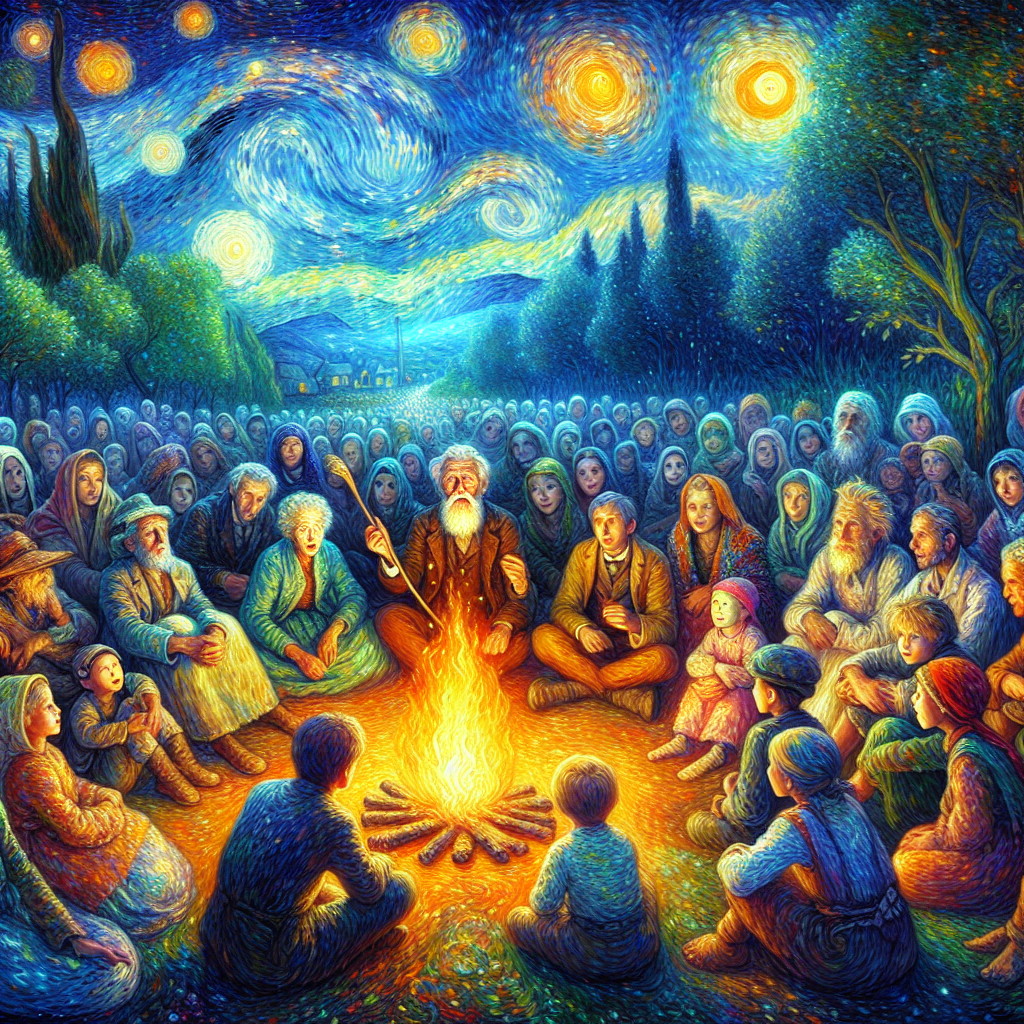
Think about the stories you cherish most. Are they about the latest car in your driveway or the road trip with friends that turned into an unforgettable adventure? The gut feels the difference. When you reflect on your life, what do you feel proud to recount? It’s often the experiences—the late-night talks around a campfire, the unexpected detours, the shared laughter—that leave an indelible mark on our hearts.
From an ethical standpoint, dedicating yourself to a life filled with experiences promotes values of community, connection, and compassion. It encourages you to invest in relationships rather than things, fostering a sense of belonging that transcends the material world. In an age of hyper-consumerism, choosing to focus on experiences positions you as a reminder to others about what it means to truly live. It’s an invitation to join a movement where the richness of life is measured in stories shared, experiences had, and moments cherished.
So, as you navigate your life’s journey, ask yourself: what will be the legacy you leave behind? Will you be the one who amassed a driveway full of possessions, or the one who filled their heart with unforgettable experiences? Choosing experiences over material possessions isn’t just a preference; it’s a powerful decision that shapes the narrative of your life, creating a legacy that resonates far beyond yourself. Embrace this choice, and invite others to join you in building a life rich with meaning and connection.

Are You Prioritizing Experiences Over Material Possessions?
Are You Prioritizing Experiences Over Material Possessions?
- Success is often measured by material possessions, but true reflection reveals what truly matters.
- Legacy storytelling influences how we are remembered and the impact we leave on others.
- Material possessions provide temporary joy, while experiences create lasting connections.
- Memorable stories usually center around experiences rather than material goods.
- Investing in experiences promotes values of community and compassion over consumerism.
- Focusing on experiences encourages a sense of belonging and meaningful connections.
- Choosing experiences shapes the legacy you leave behind, creating a narrative rich in meaning.
Are You Prioritizing Experiences Over Material Possessions?
How Can Storytelling Create Deeper Connections with Family?
In the whirlwind of modern life, where distractions are abundant and the bonds that tie us together often feel frayed, legacy storytelling emerges as an essential practice to create deeper connections within families. This isn’t merely about recounting amusing anecdotes from the past; it’s a profound act of preserving and passing down the values, dreams, and lessons that define who we are. It weaves together the tapestry of our shared existence and fosters an understanding that transcends generations.
Consider how a simple story can transform the dinner table into a sacred space. The tales of triumphs and failures, of love lost and found, breathe life into family history and imbue each member with a sense of belonging. These narratives connect the head and the heart, inviting us to not just listen, but to engage with our collective experience. When a grandparent recounts their struggles, every wrinkle on their face becomes a testament to resilience, and every chuckle shared becomes a bridge between past and present.
From a rational viewpoint, legacy storytelling provides a framework for younger generations to understand life’s complexities. It cultivates critical thinking as children navigate moral dilemmas through the lens of family lore. They learn that decisions come with consequences, and that the strength of family lies not just in blood, but in the ethical values we uphold and transmit across time.
This practice isn’t just about nostalgia; it fosters a sense of community and togetherness. When family members gather to share their stories, they cultivate empathy and appreciation for one another’s experiences and perspectives. Such shared moments spark conversations, forging a deeper bond that supports both emotional growth and conflict resolution. It’s a dance of wisdom and vulnerability, where each heartbeat echoes the values we hold dear.
Engaging in legacy storytelling can also inspire action. It serves as a call to arms for families to establish traditions that honor their unique history while encouraging the next generation to craft their own narratives. This ongoing dialogue can empower honesty, encourage curiosity, and strengthen the ties that bind. By recognizing that every family has its own stories, we invite an openness that fosters trust and unlocks the door to deeper connections.
In nurturing and sharing our legacies through storytelling, we not only preserve the past but actively shape the future, ensuring that every member of the family feels valued and anchored in their identity. Family is more than just relationships; it’s a shared tapestry of stories that we carry forward together.

How Can Storytelling Create Deeper Connections with Family?
How Can Storytelling Create Deeper Connections with Family?
- Legacy storytelling deepens connections within families amidst modern distractions.
- It aims to preserve and transmit values, dreams, and life lessons across generations.
- Sharing stories fosters a sense of belonging and transforms family gatherings into sacred spaces.
- It enhances critical thinking by presenting life’s complexities and moral dilemmas through family experiences.
- This practice promotes empathy and appreciation among family members, boosting emotional growth.
- Legacy storytelling inspires families to establish traditions and encourages the next generation to share their narratives.
- It not only preserves the past but also shapes the future, ensuring every family member feels valued.

How Can Storytelling Create Deeper Connections with Family?
What Values Do You Wish to Impart to Future Generations?
Legacy is more than just a word; it’s a mosaic of stories, experiences, and principles that bind us to one another and to our past. When we talk about the values we wish to impart to future generations, we’re not just passing down facts or skills; we’re handing over a compass that can guide them through life’s storms.
Let’s start with the essence of hard work. It’s a value rooted deep in our consciousness, a virtue that we understand at our core. Hard work teaches resilience, the kind that builds character. It’s the late nights spent studying, the early mornings at the worksite, and the moments when effort feels heavy yet necessary. These are the stories that inspire; they show our children that success isn’t given; it’s earned. When they understand this, they develop a work ethic that will serve them throughout their lives.
Next comes compassion. In a world often driven by competition, the value of kindness becomes a guiding light. It’s essential for forging connections and fostering communities. When we practice empathy, we enable our children to appreciate the beauty of our shared human experience, recognizing that every person has a story worth hearing—each struggle and triumph deserving of respect. By instilling this value, we create not only better individuals but a more unified society.
Then, there’s integrity—a cornerstone of trust. Our future generations will navigate a world full of challenges and choices. By imparting the importance of honesty and ethics, we prepare them to stand firm in their principles, come what may. This is where storytelling plays a pivotal role. Sharing our own stories of integrity, where we faced tough decisions, can resonate deeply. It’s through these narratives that we instill a sense of authority and credibility, encouraging them to choose the right path even when it’s difficult.
Lastly, let’s emphasize the importance of curiosity. Encourage future generations to ask questions, explore new ideas, and engage with the world. Place value on the pursuit of knowledge, not just for career advancement, but for personal growth. Curiosity fuels innovation and keeps the spirit alive.
As we reflect on what values we want to impart, let’s remember: each lesson learned and shared is part of our legacy. It’s through our collective storytelling that we create a world where future generations can thrive, grounded in principles that uplift and connect them. This is the legacy we wish to leave behind.

What Values Do You Wish to Impart to Future Generations?
What Values Do You Wish to Impart to Future Generations?
- Legacy encompasses stories, experiences, and principles connecting us to our past.
- Imparting values to future generations serves as a guiding compass through life’s challenges.
- Hard work fosters resilience, character, and a strong work ethic in children.
- Compassion is essential for building connections and a more unified society.
- Integrity instills trust and ethical principles in navigating life’s choices and challenges.
- Storytelling about integrity helps instill authority and encourages moral decision-making.
- Curiosity promotes knowledge, personal growth, and innovation, enriching the human experience.

What Values Do You Wish to Impart to Future Generations?
In What Ways Can You Foster Resilience In Your Grandchildren?
In What Ways Can You Foster Resilience in Your Grandchildren?
Fostering resilience in your grandchildren isn’t just about preparing them for life’s challenges; it’s about weaving a rich tapestry of experiences that will enable them to weather storms with confidence and grace. One of the most powerful tools in this endeavor is Legacy Storytelling. Sharing your own stories, filled with triumphs and setbacks, creates a bridge between generations. It provides a roadmap, a tangible narrative that shows them they are not alone in their struggles.
Imagine sitting together on a cozy afternoon, sipping lemonade and basking in the glow of shared memories. You recount a time when adversity knocked you down. You tell them about how you got back up, the mistakes made, and the lessons learned. This isn’t just entertainment; it’s a lesson in resilience. When children hear about real-life challenges faced by the ones they love, it demystifies failure and highlights the importance of perseverance.
But resilience isn’t only built through narrative. In a world that’s constantly evolving, giving grandchildren the space to try and fail is equally vital. Encourage their passions and create opportunities for them to explore unfamiliar terrains. Let them build, create, and make mistakes; these experiences will help forge their strength and adaptability. When they stumble, be there to guide them back up, reinforcing the idea that resilience is a lifelong journey, not a destination.
It’s equally important to model resilience in your own life. Let them see you handle setbacks with dignity and grit. They learn by observation, and seeing their grandparent face challenges with determination instills a sense of assurance in their own capabilities. In this way, your actions speak louder than words, establishing an ethical framework of resilience that shapes their character.
Furthermore, encourage connections with their peers. Resilience is often built on a foundation of strong relationships. By fostering an environment where collaboration and support are valued, you help them develop social skills that are essential for overcoming obstacles. Friendships, built on trust and shared experiences, serve as a critical support network through life’s ups and downs.
Ultimately, fostering resilience in your grandchildren is about creating a legacy of strength. When they leave your presence equipped with stories, lessons, and the assurance that they can rise every time they fall, you know you’ve planted seeds that will grow deep roots. These roots will anchor them through life’s tempests, ensuring they always have the courage to navigate whatever comes their way.

In What Ways Can You Foster Resilience In Your Grandchildren?
In What Ways Can You Foster Resilience In Your Grandchildren?
- Fostering resilience involves preparing grandchildren for life’s challenges through meaningful experiences.
- Legacy storytelling connects generations and provides a narrative of triumphs and setbacks.
- Sharing personal stories demystifies failure and highlights the importance of perseverance.
- Encouraging safe space for exploration and failure helps develop strength and adaptability.
- Modeling resilience in one’s own life demonstrates coping with setbacks and instills assurance in grandchildren.
- Encouraging peer connections fosters strong relationships, enhancing social skills for overcoming obstacles.
- Fostering resilience creates a legacy of strength that equips grandchildren to navigate life’s challenges confidently.

In What Ways Can You Foster Resilience In Your Grandchildren?
How Will Your Choices Today Impact Their Future Happiness?
Choices aren’t merely choices; they’re the building blocks of a legacy that echoes through generations. Every decision you make today shapes a narrative—a story that unfolds in the lives of those you love. It’s easy to underestimate the power of our actions or the weight of our words. We often think, “What harm could one choice do?” But, when you zoom out, the picture changes. Each choice contributes to an overarching story that becomes part of your legacy.
Imagine a child watching their parent struggle through life’s challenges. They absorb not just what you do but how you react. If you lead with integrity, perseverance, and kindness, you’re telling them, through your legacy storytelling, that these values matter. They’ll carry those lessons into their own lives, influencing their choices and, ultimately, their happiness.
Yet, this isn’t just about imparting wisdom; it’s also about nurturing a sense of belonging and support. Our choices can either isolate or connect us. Think about the moments when you decided to lend a hand to a neighbor or extend a conversation with someone feeling down. Those small acts weave a fabric of community, demonstrating that we’re all in this together. Your children will see this, understand it, and take it to heart. They’ll learn that happiness isn’t just a solitary pursuit; it grows in the soil of relationships cultivated with empathy and respect.
On the flip side, choices made in haste or out of anger can create ripples of regret. When we prioritize personal gain over ethical decisions or act without considering the long-term consequences, we risk crafting a legacy of disillusionment. This reflects not just on us, but on those who look up to us.
To forge a future filled with happiness, consider what your choices say about you. Are you a beacon of positive values? Are you raising a generation that feels empowered to chase their dreams while being aware of their impact on others? By making decisions that align with your principles and ensuring they contribute positively to your community, you don’t just influence the present; you carve a path toward a brighter future.
Legacy isn’t built overnight; it’s a daily effort. Invest in it wisely today, and watch as tomorrow blossoms with the hope and happiness your choices inspire.

How Will Your Choices Today Impact Their Future Happiness?
How Will Your Choices Today Impact Their Future Happiness?
- Choices are fundamental to building a lasting legacy that influences future generations.
- Every decision shapes a narrative affecting the lives of loved ones.
- Leading with integrity and kindness teaches children the importance of these values.
- Small acts of support strengthen community bonds and foster a sense of belonging.
- Hasty decisions can lead to regret and a negative legacy affecting those who follow.
- Conscious choices aligned with positive values empower future generations.
- Legacy is built through daily actions, requiring wise investment for a hopeful future.

How Will Your Choices Today Impact Their Future Happiness?
Conclusion
In a society obsessed with snapshots and social media likes, we’ve lost something vital: the art of storytelling. Your grandchildren don’t need a plethora of photos; they crave meaning—rich narratives that bind family history together and illuminate their roots. As we navigate through life, every experience, from triumph to heartbreak, forms the fabric of our shared legacy. These stories are not mere anecdotes; they are lessons and blueprints for navigating the complexities of life.
When we gather around the table, sharing our trials and victories, we weave a tapestry of experience that connects generations. Beyond fleeting images, it’s the emotional depth of these narratives that resonate. Children want to know how you felt in moments of both joy and adversity, as this understanding fosters empathy and strength.
Rationally, just a thousand selfies can’t replicate the wisdom embedded in personal stories. Think about the values you wish to impart: resilience, integrity, and compassion. It’s through storytelling that these principles are passed down, equipping future generations with the tools to forge their paths with confidence. Your narrative gives them not just the context of your life but also an ethical framework, encouraging them to act with kindness and authenticity.
Legacy storytelling does more than preserve family lore; it serves as a vital connection within families. These shared experiences cultivate a sense of belonging and understanding. Every story you tell encourages dialogue, bridging the gap between parents, grandparents, and grandchildren and encouraging a culture of mutual respect.
Moreover, experiences over material possessions can shape a legacy that resonates more deeply. Choose to create memories rather than merely collecting things; those moments spent together often yield the richest narratives worth retelling. As you reflect on your life’s choices, ponder what stories you want to echo through time—the laughter, love, and lessons that can empower your grandchildren to live meaningfully.
Fostering resilience is essential, and storytelling is a powerful tool in that endeavor. Allow your grandchildren to learn from your struggles and triumphs, creating a roadmap for their own lives. Let them see how you navigate challenges and find strength in vulnerability.
Ultimately, the legacy you craft is not just a reflection of your life’s events but a powerful influence shaping your grandchildren’s identities, values, and happiness. Make every moment count. The essence of your life lives on in their hearts, a legacy woven from the threads of stories, experiences, and love—something far richer than any photograph can encapsulate.
Conclusion
Conclusion:
- Storytelling is essential for conveying meaningful family histories that connect generations.
- Life experiences, both triumphs and heartbreaks, form the fabric of our shared legacy.
- Emotional depth in narratives fosters empathy in children and strengthens familial bonds.
- Values such as resilience and compassion are imparted through personal stories.
- Legacy storytelling cultivates a sense of belonging and mutual respect within families.
- Creating memories is more impactful than collecting material possessions for a lasting legacy.
- Through storytelling, grandparents can shape their grandchildren’s identities and values, offering guidance for life’s challenges.

Conclusion
Other Resources

Other Resources
Here is a list of other resources you can review online to learn more:
- Ancestry
- How to Save Your Family�s Stories from Being Lost Forever � A Step-by-Step Guide to Creating a Lasting Digital Legacy
- Cake
- LifeNaut
- LifeBio
- FamilySearch
- FutureMe
- Tributes
- Lexikin
- How To Write Legacy Stories That Appeal To The Heart, Gut and Head
- LegalZoom
- LastPass
- LivingDNA
- Can Telling and Preserving Personal or Family Legacy Stories Be Therapeutic?
- Living Wisely
- My Wonderful Life
- UpCounsel
- Obituary Templates
- Remembered.com
Use This Prompt To Get More Resources With Your Favorite Online AI Tool: Please provide me with a list of online articles with their URLs in a bulleted list that I can read regarding Your Grandchildren Dont Need More Photos – They Need Meaning

Other Resources
Glossary Terms
Your Grandchildren Dont Need More Photos – They Need Meaning – Glossary Of Terms
1. Memory: A mental record of past experiences, emotions, and moments shared that shape family history.
2. Connection: The emotional bond between family members that fosters understanding and support.
3. Legacy: Something handed down from one generation to another, encompassing values, beliefs, and experiences.
4. Storytelling: The art of sharing personal narratives that convey meaning and preserve family traditions.
5. Experience: Events or activities that provide lessons and insights, contributing to personal growth.
6. Presence: The act of being fully engaged and mindful in interactions, creating lasting impressions.
7. Value: The importance or significance of experiences, beliefs, and relationships in family life.
8. Tradition: Practices and customs passed down through generations that strengthen family identity.
9. Bonding: The process of developing a close relationship that fosters trust and affection among family members.
10. Intimacy: A deep connection that involves sharing thoughts, feelings, and vulnerabilities.
11. Reflection: The process of thoughtfully considering experiences to derive meaning and insights.
12. Generosity: The quality of being kind and giving, often enriching family relationships.
13. Empathy: The ability to understand and share the feelings of others, leading to deeper connections.
14. Nostalgia: A sentimental longing for past experiences that evoke warm memories.
15. Family History: The chronicle of a family’s past, including significant events and lineage.
16. Authenticity: Being genuine and true to oneself, fostering honest relationships.
17. Wisdom: The accumulation of knowledge and experience that provides guidance and insight.
18. Listening: The act of actively hearing others, which validates their feelings and strengthens connections.
19. Teachings: Lessons and morals derived from personal experiences that shape future generations.
20. Cultural Identity: The shared beliefs, practices, and values that define a family’s heritage.
21. Resilience: The ability to adapt and recover from challenges, often strengthening family ties.
22. Mindfulness: The practice of being present and aware in interactions to enrich relationships.
23. Engagement: Active participation in family activities, fostering connection and meaning.
24. Roots: The origins and background of a family, emphasizing the importance of history.
25. Support: Offering assistance and encouragement to family members in times of need.
26. Celebration: Recognizing and honoring milestones and achievements within the family.
27. Interaction: The exchange of thoughts, feelings, and experiences between family members.
28. Narrative: The overarching story of a family’s journey, highlighting significant events and lessons.
29. Insight: A deep understanding of oneself and others, often gained through shared experiences.
30. Hope: The optimistic belief in future possibilities, fostering a positive family outlook.

Glossary Of Terms
Other Questions
Your Grandchildren Dont Need More Photos – They Need Meaning – Other Questions
If you wish to explore and discover more, consider looking for answers to these questions:
- How do I start recording my stories if I’ve never done this before?
- Which storytelling format is best: written memoirs, audio recordings, or video interviews?
- How do I choose which memories are worth preserving?
- What are simple prompts I can use to elicit meaningful stories from relatives?
- How can I make stories engaging for grandchildren of different ages?
- How do I organize and archive stories so they remain accessible over time?
- What tools or apps are recommended for recording and preserving oral histories?
- How do I incorporate photos and artifacts into a legacy narrative effectively?
- How much time should I devote to legacy storytelling each week or month?
- How can I encourage reluctant family members to share their memories?
- How do I handle gaps or fuzzy memories when telling a story?
- What ethical issues arise when sharing family stories publicly?
- How do I balance honesty with protecting family members’ privacy and feelings?
- How should I address traumatic or painful events in family storytelling?
- What legal documents or permissions should accompany shared family records?
- How can I ensure my stories remain authentic and not overly embellished?
- How do I tailor stories to teach specific values like resilience, integrity, and compassion?
- What storytelling techniques make lessons memorable without sounding preachy?
- How can I involve grandchildren in creating and curating the family legacy?
- How do I create a multi-generational project that future descendants can add to?
- What’s the best way to preserve digital files long-term and prevent format obsolescence?
- How do I decide whether to donate family histories to archives or keep them private?
- How can I measure or recognize the impact my stories have on younger generations?
- What are affordable options for professional genealogy or oral-history services?
- How do I integrate cultural or ancestral traditions into modern legacy storytelling?
- How should I handle conflicting memories or differing versions of the same event?
- How can storytelling help grandchildren navigate identity and belonging?
- What questions are grandchildren most likely to ask about their heritage?
- How can I make legacy storytelling a regular family ritual or tradition?
- How do I protect sensitive information while still preserving meaningful stories?
- How can I coach grandchildren to ask better questions and listen actively?
- What are age-appropriate ways to explain difficult moral or ethical lessons?
- How do I preserve the tone and voice of the storyteller when transcribing oral accounts?
- How can I combine humor and vulnerability without undermining the story’s lesson?
- How much factual detail (dates, places, names) should be included?
- How do I start a legacy story if I feel my life is “ordinary” or unremarkable?
- How can technology (social platforms, private sites) be used safely to share family stories?
- What strategies help maintain intergenerational engagement over time?
- How do I prepare stories for grandchildren who live far away or have limited visits?

Other Questions
Haiku
Your Grandchildren Dont Need More Photos – They Need Meaning – A Haiku
Grand tales over time,
Truths woven in heartbeats’ flow,
Legacy shines bright.

Haiku
Poem
Your Grandchildren Dont Need More Photos – They Need Meaning – A Poem
In a world of fleeting snapshots,
Where images pass like fireflies,
Your grandchildren crave what endures,
Stories of meaning that never die.
Mosaic of memory, tales intertwined,
Lessons of life, struggles, and grace,
For in each story, a treasure they find,
A legacy woven in hearts embrace.
Not just pictures, but the wisdom shared,
Resilience, kindness, and integrity taught,
Through laughter and tears, they know you cared,
In every narrative, a lesson sought.
Roots of connection in family lore,
Values that guide them through trials ahead,
With every recount, they grow to explore,
The paths to their futures, by love widely spread.
In moments of struggle, show them the way,
Build resilience, let them rise when they fall,
Through your own journey, teach them to stay,
Anchored in stories, they’ll stand proud and tall.
Let your choices today shape their tomorrow,
Plant seeds of compassion, community, and trust,
As they navigate life, beyond joy or sorrow,
Craft a legacy sturdy, a bond that is just.
So gather around, share your tale of worth,
Let the echoes of laughter and love fill the air,
For in the hearts stories lies the true measure of mirth,
A legacy of meaning, deeper than any fare.

Poem
Checklist
Your Grandchildren Dont Need More Photos – They Need Meaning – A Checklist
Heart Appeals
✅______ Share personal stories to cultivate emotional connections.
✅______ Reflect on values like resilience, empathy, and compassion.
Head Appeals
✅______ Encourage critical thinking through discussions about life lessons.
✅______ Define core values such as hard work, integrity, and curiosity.
Gut Appeals
✅______ Model resilience by managing setbacks and challenges.
✅______ Encourage experiential learning through new opportunities.
Emotional Appeals
✅______ Create family traditions that emphasize storytelling.
✅______ Celebrate achievements to reinforce progress and perseverance.
Rational Appeals
✅______ Discuss choices and consequences regarding legacy.
✅______ Provide strategies for success in navigating challenges.
Ethical Appeals
✅______ Foster a sense of community and support for others.
✅______ Inspire ethical reflection through conversations about dilemmas.
Authority Appeals
✅______ Share generational wisdom as a storyteller and guide.
✅______ Encourage lifelong learning as a tool for a fulfilling future.
Narrative Appeals
✅______ Weave life lessons into narratives to illustrate values.
✅______ Invite participation by encouraging grandchildren to share their stories.

Checklist
At LegacyExplorations, we help people plan and explore their legacy by collecting information and news regarding end-of-life planning.
Please share this post with your friends, family, or business associates who may want help to plan or explore their legacy.