

Preserve Memories, Craft Legacy: Beyond Your Digital Storage
By Tom Seest
At LegacyExplorations, we help people plan and explore their legacy by collecting information and news regarding end-of-life planning.
Please share this post with your friends, family, or business associates who may want help to plan or explore their legacy.
Your Hard Drive Is Not a Heritage Plan
Your hard drive is not a heritage plan. Think about it for a moment: in the digital age, we’re quick to store our memories and milestones on devices that could crash or become obsolete. Legacy storytelling means more than just slapping photos into a folder on your computer. It’s about creating a narrative, one that captures our triumphs, our struggles, and the lessons intertwined with every significant moment of our lives.
We live in a world where nostalgia often collides with technology. Your hard drive may hold countless images from birthdays and family gatherings, but those are merely snapshots. To create a meaningful legacy, one must delve into the stories behind those images. What made that birthday special? Who was there? What laughter echoed in that room? These details craft a richer tapestry of life than a mere digital archive ever could.
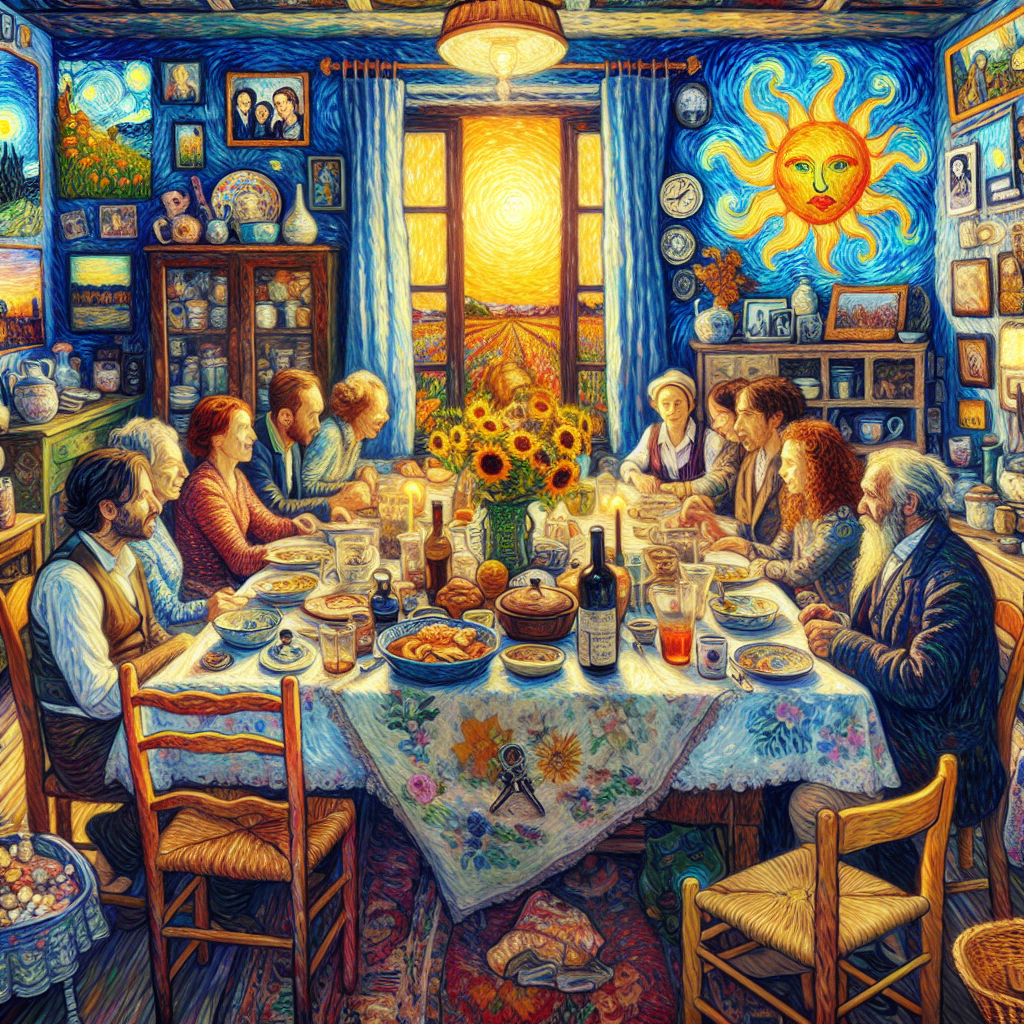
Emotionally, think about the connections we long for in our relationships. A well-crafted story, shared with friends and family, creates bonds that images alone cannot. It’s the storytelling around the dinner table that makes history come alive. This shared experience invites others to be part of your journey, fostering relatability. You don’t just keep memories alive; you pass them on, imbued with sentiment.
Rationally, consider the value of preserving memories. Data loss is an unfortunate reality. Files can be deleted, hard drives fail, and formats change. Shifting our focus to capturing stories ensures that our legacies endure, transcending the fragility of technology. Legacy storytelling invites us to document lives not just as a record but as a guide for future generations, teaching them who we were and what mattered to us.
Ethically, there lies an obligation to preserve our stories, ensuring that our legacy isn’t reduced to ones and zeros. This responsibility extends beyond ourselves to our children and grandchildren. They deserve to know their history and understand the values that shaped their existence.
Storytelling is also inherently social. Sharing our experiences connects us with others who may resonate with our journeys, creating a communal understanding of our shared humanity. These discussions inspire trust and confidence, bridging generational gaps.
Don’t rely solely on your hard drive—transform those digital files into a living legacy. Let the stories breathe and thrive. Revisit them, share them, and watch the impact they have on those around you. Create a heritage that honors your past and engages your future.
Your Hard Drive Is Not a Heritage Plan
Your Hard Drive Is Not a Heritage Plan
- Your hard drive is not a reliable legacy plan; digital memories can be lost or become obsolete.
- Legacy storytelling goes beyond storing photos; it’s about creating narratives that capture life’s significant moments.
- Meaningful legacies require exploring the stories behind images, enriching the context of our memories.
- Shared storytelling fosters emotional connections that photographs alone cannot achieve, enhancing relationships.
- Preserving stories is vital, as data loss is common; capturing narratives ensures our legacies endure.
- There is an ethical obligation to document our stories for future generations, helping them understand their history.
- Storytelling builds community and trust, allowing shared experiences to resonate across generations.
Your Hard Drive Is Not a Heritage Plan
Table Of Contents
- Your Hard Drive Is Not a Heritage Plan
- How Will Your Digital Legacy Reflect Your True Self?
- Are You Preserving Your Family History In Meaningful Ways?
- What Stories Do Your Photos Tell About Your Life and Values?
- How Can You Ensure Your Digital Content Lasts Beyond Your Lifetime?
- Have You Considered the Emotional Impact Of Fading Memories?
- How Might Your Loved Ones Feel About Your Virtual Memories?
- Can You Rely Solely on Technology to Safeguard Your Heritage?
- Conclusion
- Other Resources
- Glossary Of Terms
- Other Questions
- Haiku
- Poem
- Checklist
How Will Your Digital Legacy Reflect Your True Self?
As we navigate life in an increasingly digital world, the footprints we leave behind create more than just a record—they craft a legacy. Your digital legacy is more than just the remnants of your online presence; it’s a reflection of who you are, your values, and the stories you tell. It’s tempting to think of digital spaces as separate from our real lives, yet every post, tweet, or comment is a thread in the tapestry of our Legacy Storytelling.
Consider how we share our joy, struggles, and triumphs online. Each interaction holds the potential to communicate our essence. Think about the last time you scrolled through social media and came across a heartfelt story that stopped you in your tracks. That’s the power of storytelling—how it taps into our emotions and connects us. In those moments, we see not just words but the raw, authentic humanity behind them. We laugh together, grieve together, and learn from one another. We become a part of a larger narrative.
But there’s a responsibility that comes with crafting this digital legacy. It’s ethical to remember that our stories can influence others. When we choose to post, we’re not just voicing opinions; we’re shaping perceptions and molding the experience of those who follow us. The challenge lies in ensuring that what we leave behind reflects our true selves, not just a curated highlight reel. Authenticity breeds trust, which is essential in an age where misinformation runs rampant.
As you reflect on your digital footprint, think about how you want to be remembered. What will your legacy say about you? It’s okay to acknowledge that we’re all learning and evolving in this digital landscape. Embrace the imperfections; they are part of the journey. Share your failures alongside your successes, for these are the experiences that resonate deeply with others.
Ultimately, your digital legacy can serve as a bridge, fostering connection in a world that can sometimes feel isolated. Engage your audience not only with your accomplishments but with your vulnerabilities. This creates an inviting space where others are encouraged to share their truths. Your story, and the way you tell it, can inspire action, providing a beacon of hope for those who might be lost in a sea of curated perfection. With every post and interaction online, let’s commit to building a digital legacy that truly reflects our core selves.

How Will Your Digital Legacy Reflect Your True Self?
How Will Your Digital Legacy Reflect Your True Self?
- Your digital legacy reflects your identity, values, and the stories you share online.
- Every online interaction contributes to a collective narrative, showcasing our joy, struggles, and triumphs.
- Storytelling evokes emotions and fosters connection among individuals in the digital space.
- There is a responsibility to ensure that our digital legacy shapes perceptions ethically and authentically.
- Authenticity is crucial in building trust, especially amidst widespread misinformation.
- Your digital footprint should represent both successes and failures, as they resonate deeply with others.
- Strive to create a digital legacy that encourages openness and inspires action among your audience.
How Will Your Digital Legacy Reflect Your True Self?
Are You Preserving Your Family History In Meaningful Ways?
Family history is more than dates and names in an aging photo album; it’s the living tapestry of your ancestors’ lives, woven into the fabric of who you are. Legacy storytelling is about capturing those moments—big and small—that define families. Picture your grandparents’ laughter echoing through family gatherings, the lessons learned during tough times, the triumphs celebrated together. This storytelling isn’t simply a task; it’s an obligation to honor the journey that brought you here.
Engaging in this preservation invites a connection with your roots. Stories passed down evoke nostalgia, reminding us of shared values and experiences that shape our character. By recounting these tales, we keep their essence alive, ensuring that the sacrifices made by those before us aren’t forgotten. It’s not just about remembering; it’s about resonating with those who laid the foundation for your future. Imagine sitting around a table, sharing anecdotes, and witnessing the way those stories breathe life into faces around you—a shared smile, a soft tear, a moment of pride.
But there’s a rational side to it as well. Research has shown that children who know their family stories exhibit greater resilience and self-esteem. They develop a sense of identity rooted in something larger than themselves. This is not just sentimental fluff; it’s a powerful framework for understanding purpose and place in the world.
Ethically, preserving family history instills a sense of responsibility. It’s about acknowledging the struggles that came before, giving voice to those who might otherwise remain silent. Every story tells a truth, shines a light on the complexities of life, and navigates through the unexpected. It’s a duty to ensure these narratives are recorded, so future generations can learn and grow from them.
Take the lead—be an authority in your family’s legacy. Start by gathering stories at family reunions, interviews with elders, or through the written word. Create a family journal or digital archive. Engage with relatives on social media to spark those conversations that might have been left unsaid for too long. You’re not just a caretaker of history; you’re a storyteller, a connection-maker, someone who fosters community and understanding.
In this era of fast-moving technology, let’s not lose those irreplaceable stories. Your family history is a treasure, waiting to be explored and shared. Don’t wait for someone else to take the reins. Make that commitment today—preserve your family’s legacy and ensure that their stories continue to echo through time.

Are You Preserving Your Family History In Meaningful Ways?
Are You Preserving Your Family History In Meaningful Ways?
- Family history goes beyond names and dates; it’s a tapestry of ancestral lives.
- Legacy storytelling captures significant moments that define families and honors their journeys.
- Preserving stories fosters a connection to roots and keeps shared values alive.
- Research shows children aware of their family stories exhibit greater resilience and self-esteem.
- Ethically documenting family history acknowledges past struggles and gives voice to the silent.
- Be proactive in gathering stories through reunions, interviews, and social media engagement.
- Your family history is a valuable treasure; make the commitment to preserve and share it.

Are You Preserving Your Family History In Meaningful Ways?
What Stories Do Your Photos Tell About Your Life and Values?
Every photograph captures a fleeting moment, a slice of life that conveys more than just an image. It tells a story—your story. These snapshots, whether grainy or polished, reveal your legacy storytelling in ways that resonate deeply with who you are and what you value. Each image serves as a marker on the map of your life, illuminating the paths you’ve traveled, the people you’ve loved, and the lessons you’ve learned.
Consider the photos nestled in a dusty album or glowing on your phone. They are portals to the past, transporting us back to moments steeped in emotion. A wedding snapshot encapsulates love and commitment; a candid of a child’s laughter radiates pure joy. These images evoke feelings that can stir our guts and tug at our hearts, reminding us that life is a tapestry woven with threads of experiences, triumphs, and struggles. They invite us to reflect on our journey, asking what values we hold dear and how we choose to express them.
But it’s not just about nostalgia; it’s also about connection. In sharing these stories, we invite others into our lives, fostering bonds over shared experiences. Each photograph has the power to build a bridge, sparking conversations that explore our beliefs, goals, and dreams. They are a testament to our resilience, to our commitment to authenticity. When we share the narratives behind our photos, we step into our role as storytellers, connecting with others who find echoes of their own life journeys in our experiences.
From an ethical standpoint, our stories hold moral weight—they can inspire change, encourage empathy, and motivate action. In an age dominated by curated images and filtered realities, the raw, unedited versions of our lives have the power to cut through the noise. They remind us of the beautiful chaos of living, of being human.
Ultimately, what stories do your photos tell? They reflect your values, your ideals, and the essence of your character. They are legacies in the making, a call to action for authenticity in a world that often feels scripted. So, look closely; what are your images saying about you? Seize the opportunity to tell your story with honesty and passion, for in doing so, you invite others to share in your journey and inspire them to explore their own.
What Stories Do Your Photos Tell About Your Life and Values?
What Stories Do Your Photos Tell About Your Life and Values?
- Every photograph captures fleeting moments that convey personal stories and values.
- Images serve as markers of life, revealing paths traveled, loved ones, and learned lessons.
- Photos act as portals to the past, evoking strong emotions and memories.
- Sharing photographs fosters connections and invites others to relate to our experiences.
- Storytelling through images can inspire change, empathy, and action.
- Authentic, unedited photos stand out in a world of curated images, highlighting the beauty of life.
- Photos reflect personal values and ideals, encouraging honest storytelling to inspire others.

What Stories Do Your Photos Tell About Your Life and Values?
How Can You Ensure Your Digital Content Lasts Beyond Your Lifetime?
Crafting a lasting digital legacy isn’t just about leaving behind bits of information; it’s about weaving a tapestry of experiences, passions, and values that resonate across generations. Think of your digital content as a form of Legacy Storytelling. Every post, video, or article can be a thread connecting your present to a future audience. Your story deserves to live on, not merely as data on a server but as a vibrant narrative that inspires.
Imagine the future: your grandchildren or even strangers picking up your digital works. They may never know you personally, but through your words, your voice, your laughter captured in a video, they will feel your spirit. There’s power in storytelling; it touches hearts, ignites passions, and serves as a compass guiding others on their journeys. With this, consider what you want those who engage with your content to feel. Are you sharing wisdom? Encouraging persistence? Sparking joy? Each piece should reflect not only who you are but also the values you hold dear.
But don’t stop at emotional resonance. The rational side of us seeks structure. To create lasting content, build a robust digital archive. Organize your materials systematically; invest time in backing up files securely. Utilize multiple platforms and formats to ensure your stories can withstand the test of time. Platforms come and go, but thoughtful preservation means you can move your stories where future technology takes us.
Ethically, we have a responsibility to think about how our narratives impact others. Digital content can inspire, yes, but it can also mislead. Stand firm in your truth, share your genuine self, and leave a story that uplifts rather than divides. Your authority stems from authenticity; when others see your passion, they’re more likely to trust and connect with your message.
Engage your audience on a social level, inviting them into your narrative. A simple call to action at the end of your posts can encourage others to share their perspectives, creating dialogue around your content. This communal exchange not only enriches your work but also builds a network of shared experiences that extends your reach.
Remember: your stories are gifts. Cherish them, protect them, and share them boldly. By doing so, you ensure that your digital footprint is more than a blemish on the internet; it’s a beacon of inspiration, a lasting legacy that carries your voice far beyond your lifetime.
How Can You Ensure Your Digital Content Lasts Beyond Your Lifetime?
How Can You Ensure Your Digital Content Lasts Beyond Your Lifetime?
- Creating a lasting digital legacy involves sharing experiences, passions, and values.
- Digital content serves as Legacy Storytelling, connecting present and future audiences.
- Storytelling evokes emotions, touches hearts, and guides others on their journeys.
- Build a robust digital archive by organizing materials and backing up files securely.
- Consider the ethical implications of your narratives and strive to inspire rather than mislead.
- Engage your audience and encourage dialogue to enrich your content and expand your reach.
- Your stories are gifts; cherish, protect, and boldly share them to create an enduring legacy.

How Can You Ensure Your Digital Content Lasts Beyond Your Lifetime?
Have You Considered the Emotional Impact Of Fading Memories?
Have you ever thought about how fading memories shape our lives? It’s a poignant reality that each of us faces. Memories are the threads that weave our existence, a tapestry formed by moments of joy, grief, triumph, and love. When those threads start to fray, what does it really mean for the legacy we leave behind?
Consider this: a family gathering where laughter echoes and stories flow like wine. Your grandmother, with a smile lined by years of wisdom, shares tales of resilience, of dreams pursued against all odds. Yet, as the years progress, you notice her stories stumble and fade. The details blur, and so do the connections they once strengthened.
This isn’t just an individual experience; it resonates within families, communities, and generations. When memories fade, we lose more than just moments; we lose parts of ourselves. The essence of legacy storytelling resides in these shared experiences. They anchor our identities, linking us to our roots and the values we hold dear. It can feel like watching a river dry up, the source of stories and wisdom dwindling, and it’s up to us to replenish it.
Thinking about the emotional impact of fading memories can be a call to action. Reflection is vital. How can we preserve the essence of our loved ones’ stories? Engaging in legacy storytelling can be a powerful antidote to the gradual erosion of memory. Sitting down, sharing, recording—these simple actions cultivate a sense of belonging and connection, not just for the storyteller but for everyone involved. They spark conversations that can deepen our understanding of one another and create bonds that withstand the test of time.
We need to approach this with empathy and urgency. The ethical weight of preserving memories isn’t just about nostalgia; it’s about honoring lives lived and lessons learned. Emphasizing the importance of these stories encourages responsibility within families to share them, to cherish them, and to pass them on.
So, let’s embrace our role as guardians of these narratives. Let’s inspire others to engage in this vital practice so that we can build a bridge between generations. After all, legacy storytelling isn’t just about preserving memories; it’s about crafting the story we all contribute to—a story that reminds us of who we are, where we came from, and where we’re going. Memories may fade, but the love and lessons we pass down can endure, brightly illuminating the paths ahead.

Have You Considered the Emotional Impact Of Fading Memories?
Have You Considered the Emotional Impact Of Fading Memories?
- Fading memories significantly influence our lives and the legacies we leave behind.
- Memories weave the tapestry of our existence, encompassing joy, grief, triumph, and love.
- The fading of stories, such as those shared by a grandmother, highlights the loss of connection and identity.
- This phenomenon affects families and generations, leading to a loss of shared experiences and wisdom.
- Engaging in legacy storytelling can help preserve memories, fostering belonging and connection.
- The ethical responsibility to share, cherish, and pass on stories is vital for honoring lives lived.
- Legacy storytelling strengthens intergenerational bonds and helps define our identities and futures.

Have You Considered the Emotional Impact Of Fading Memories?
How Might Your Loved Ones Feel About Your Virtual Memories?
When we think about the digital footprints we leave behind, it’s easy to underestimate their significance. Our virtual memories—photos, videos, messages—have an uncanny ability to evoke emotions in those we hold dear. Imagine your loved ones browsing through your carefully curated collection of moments, each snapshot a chapter in the collective story of your life. This isn’t just a stroll down memory lane; it’s a process of Legacy Storytelling, a way to share who you are, what you value, and how you experienced the world.
Consider the heart of the matter. What you perceive as mundane—a simple family gathering or a vacation snapshot—is a treasure trove for those who cherish you. Each image and word has the potential to spark joy, ignite laughter, and even heal wounds. Your children, friends, or partners will not just see what you looked like; they’ll feel the love that radiated during those moments. This kind of connection transcends time, turning fleeting experiences into lasting legacies that resonate with the heart.
Now, let’s engage the head. In a world driven by technology, virtual memories can serve as tangible evidence of your values and beliefs. They demonstrate your passions, your struggles, and your triumphs. It’s rational to consider how these digital memories can aid your loved ones in understanding your life’s narrative, providing context to the way you navigated your journey. They offer a blueprint for future generations—guiding them, advising them, and sometimes even warning them about the paths you’ve walked. It’s in this storytelling that we make sense of our lives and the lives of those who come after us.
Ethically, there’s a responsibility we carry—to ensure that our legacies are reflective of our true selves. By curating our virtual memories with intention, we give our loved ones the opportunity to know us in ways that transcend physicality. We can spark conversations about values, dreams, and the unspoken lessons that shaped us.
Finally, consider the social aspect. In an interconnected world, these memories can foster connection not just within your family, but also with the wider community. Sharing experiences invites dialogue, creates bonds, and cultivates a sense of belonging. So, as you contemplate your digital footprint, ask yourself: how do you want to be remembered? Embrace the power of your virtual memories, knowing they hold the potential to inspire trust and confidence in those who come after you.

How Might Your Loved Ones Feel About Your Virtual Memories?
How Might Your Loved Ones Feel About Your Virtual Memories?
- Digital footprints and virtual memories shape our emotional connections with loved ones.
- Legacy storytelling showcases our values, experiences, and shared moments.
- Seemingly mundane memories can evoke joy and healing in those we cherish.
- Virtual memories provide tangible evidence of our values, passions, and life journey.
- Curated memories can help future generations understand and navigate their lives.
- Ethical responsibility exists to ensure our legacies reflect our true selves.
- Sharing memories fosters community connections and a sense of belonging.

How Might Your Loved Ones Feel About Your Virtual Memories?
Can You Rely Solely on Technology to Safeguard Your Heritage?
When we think about safeguarding our heritage, we often imagine high-tech solutions and digital archives, yet the true essence of our legacy lies beyond pixels and bytes. It’s a tapestry woven from memories, values, and stories passed down through generations. In an age where technology reigns supreme, it’s tempting to believe that virtual preservation can replace the raw, authentic connections that characterize our past.
Picture this: an elder sitting with a child, recounting tales of their ancestors with a warmth that no algorithm can replicate. That moment—filled with laughter, tears, and life lessons—embodies the heart of legacy storytelling. It’s through these narratives that we understand who we are, where we hail from, and the dreams woven into the fabric of our families. Technology can record these moments, but it can’t replace the human experience of sharing them.
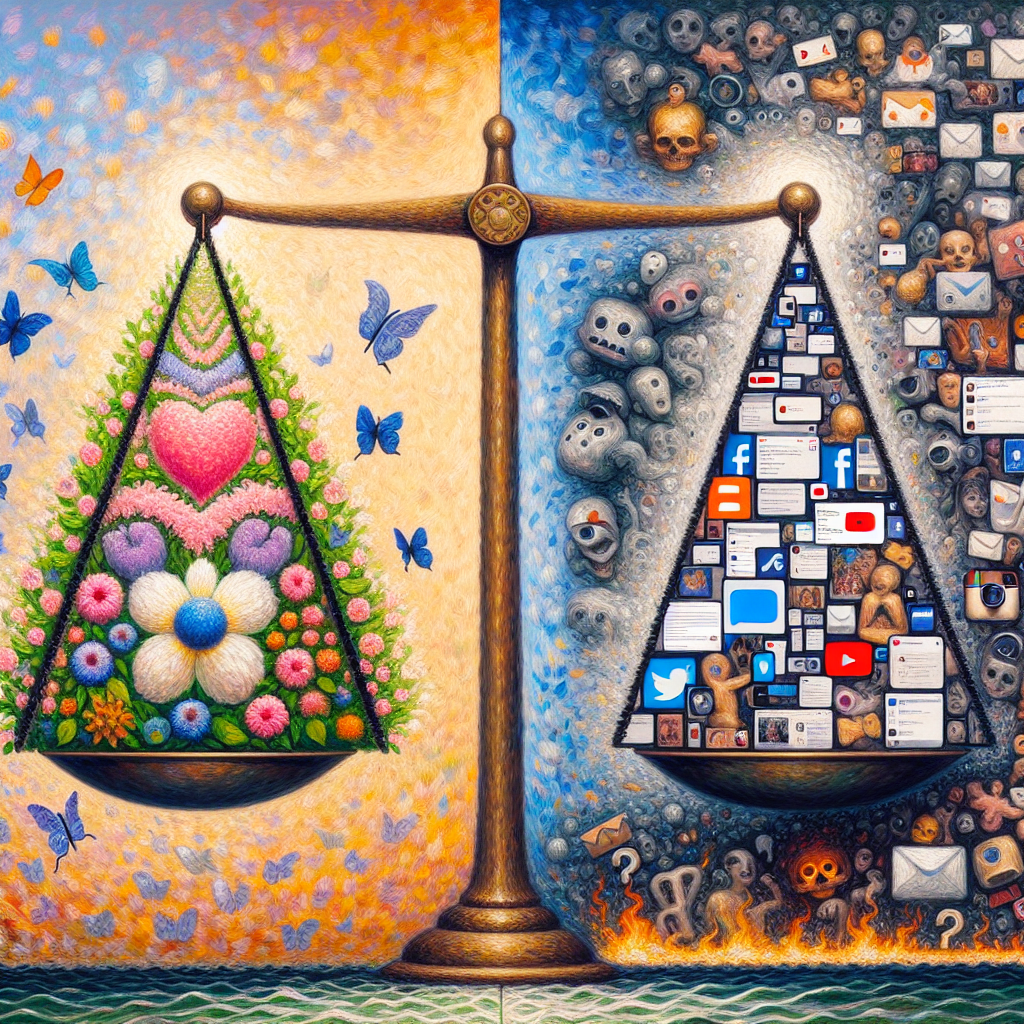
Rationally, technology offers advantages that can enhance our efforts to safeguard heritage. Apps can help catalog artifacts, VR can transport us to historical sites, and social media can connect communities worldwide. However, relying solely on these mediums can create a disconnect. Imagine a world where history is merely a digital file, devoid of the emotional weight it carries. The truth is, technology should be a tool—not a crutch. We must strike a balance, using digital means to complement, not replace, the lived experiences that define us.
Ethically, it is our duty to honor the stories and legacies that shaped our communities. As stewards of culture, we owe it to future generations to ensure that they hear these stories firsthand, perhaps around a campfire or at family gatherings, where the essence of storytelling thrives. By fostering these interactions, we empower individuals and communities to engage with their heritage meaningfully and authentically.
Moreover, leading historians and cultural advocates support this view. They believe that the most enduring connections to our heritage arise from shared experiences. Technology can support our efforts, but the true custodians of our stories are those who share them—real people, in real time.
The heart, head, and gut remind us that safeguarding our heritage isn’t simply about technology; it’s about nurturing connections, fostering relationships, and keeping the flame of our legacy alive through vibrant storytelling. Embrace it. Cultivate it. Share it. That’s how we truly safeguard our heritage for generations to come.
Can You Rely Solely on Technology to Safeguard Your Heritage?
Can You Rely Solely on Technology to Safeguard Your Heritage?
- Safeguarding heritage transcends technology and digital archives, rooted in memories and stories.
- Authentic connections, illustrated by personal storytelling, cannot be replaced by digital means.
- Technology serves as a tool to catalog and enhance experiences, not a replacement for human interaction.
- Overreliance on technology risks reducing history to mere digital files, devoid of emotional significance.
- It’s crucial to engage future generations through firsthand storytelling in meaningful settings.
- Shared experiences are essential to preserving cultural legacies, as supported by historians and cultural advocates.
- Safeguarding heritage involves nurturing relationships and keeping storytelling alive for future generations.

Can You Rely Solely on Technology to Safeguard Your Heritage?
Conclusion
In the digital realm, it’s tempting to reduce legacy to a hard drive crammed with files and photos. Yet, a mere digital archive falls short of capturing the heart of our stories. Legacy storytelling transcends the pixels; it’s about weaving narratives that illuminate not just the milestones of our lives but the emotions and connections that define us. Reflecting on shared moments—like the warmth of a family gathering or the laughter echoed in childhood celebrations—offers depth beyond what any device can store. It’s the stories behind those snapshots that foster relationships, resonate with emotions, and invite others into our journeys.
From a rational perspective, it’s crucial to acknowledge the fragility of digital storage. Hard drives can crash, data can be lost, and formats will inevitably change. By focusing on storytelling, we ensure that our legacies endure beyond mere bits and bytes, providing guidance and context for future generations who yearn to understand their roots and the values that shaped us.
Ethically, there exists a meaningful obligation to preserve our narratives. Future generations deserve more than fragmented memories; they deserve the comprehensive tales of who we were, what we stood for, and the struggles we overcame. This responsibility to convey family history strengthens connections, fostering resilience and identity in the younger members of our families.
Engaging with our stories isn’t merely a sentimental practice; it’s a collective duty. Sharing our histories creates a rich tapestry of shared humanity, bridging generational gaps through dialogue and understanding. It’s this social aspect of storytelling that invites others into our lives, creating bonds grounded in shared experiences and mutual respect.
When we consider our digital legacies, it’s vital to reflect on the emotional dimensions. Every photo, every post, represents a chance to convey not just our successes but also our vulnerabilities, fostering authenticity that invites trust. In a world increasingly dominated by social media’s filtered perfection, the rawness of genuine stories cuts through the noise, reminding us that our struggles are as significant as our triumphs.
Ultimately, it’s about reclaiming our narratives, ensuring our legacies remain vibrant and alive in the hearts of those we leave behind. Let’s not settle for storing memories on digital devices; instead, let’s commit to transforming those digital files into heartfelt stories. By breathing life into our shared histories, we not only honor the past but also inspire future generations to engage with their own stories. This is how we build a lasting legacy, a lived experience that echoes through time, resonating with all who encounter it.

Conclusion
Conclusion:
- Legacy storytelling goes beyond digital archives, capturing the essence of our life narratives.
- Emphasizes the importance of emotions and connections that define our experiences.
- Digital storage is fragile, highlighting the need for more enduring storytelling methods.
- Future generations deserve comprehensive tales that reflect family history and values.
- Engaging with our stories fosters resilience and identity among younger family members.
- Sharing histories creates bonds and bridges generational gaps through understanding.
- Reclaiming our narratives ensures legacies remain vibrant and inspire future generations.

Conclusion
Other Resources

Other Resources
Here is a list of other resources you can review online to learn more:
- How To Write Legacy Stories That Appeal To The Heart, Gut and Head
- Storyfile
- GhostMemo
- International End of Life Doula Association
- MyMoriam
- LivingDNA
- Funeral Finder
- Xarona
- Geneanet
- Personal Legacy Advisors
- LifeWeb 360
- LegacyFamilyTree
- Directive Communication Systems
- UpCounsel
- StoryCorps
- ForeverMissed
- LifeBio
- LifeSite
- Can Telling and Preserving Personal or Family Legacy Stories Be Therapeutic?
- FutureMe
Use This Prompt To Get More Resources With Your Favorite Online AI Tool: Please provide me with a list of online articles with their URLs in a bulleted list that I can read regarding Your Hard Drive Is Not a Heritage Plan

Other Resources
Glossary Terms
Your Hard Drive Is Not a Heritage Plan – Glossary Of Terms
1. Hard Drive: A storage device that uses magnetic disks to read and write data.
2. Heritage Plan: A strategy to preserve or manage significant cultural, historical, or familial assets over time.
3. Data Loss: The unintentional loss of data, often due to hardware failure, corruption, or deletion.
4. Backup: A copy of data stored separately to prevent loss in case of failure.
5. File System: The method and structure used to organize and store files on a hard drive.
6. SSD (Solid State Drive): A type of storage device that uses flash memory to provide faster data access compared to traditional hard drives.
7. Disk Formatting: The process of preparing a storage device for use by creating a file system.
8. Archiving: The process of moving data that is no longer actively used to a separate storage for long-term retention.
9. Firmware: The software programmed into a hardware device that controls its functionality.
10. Data Recovery: The process of retrieving lost or corrupted data from a storage device.
11. Partition: A section of a hard drive that is treated as a separate volume for data management.
12. RAID (Redundant Array of Independent Disks): A technology for data storage that combines multiple drives for redundancy and performance.
13. Cloud Storage: A service that allows data to be stored on remote servers accessed via the internet.
14. Encryption: The process of converting data into a code to prevent unauthorized access.
15. Virus: Malicious software designed to harm, exploit, or otherwise compromise computer systems.
16. Malware: Software intentionally designed to cause damage to a computer, server, or computer network.
17. Trojan: A type of malware disguised as legitimate software, which can create backdoors for attackers.
18. Backup Schedule: A plan outlining regular intervals for creating backups of data.
19. Data Encryption Standard (DES): A symmetric-key algorithm used for data encryption.
20. Access Control: The process of limiting access to data or systems based on permissions.
21. Cloud Backup: A method of backing up data to a remote server in the cloud.
22. Hot Swapping: The ability to replace or add components without shutting down the system.
23. Performance Degradation: A slowdown in the functionality of a hard drive, often due to wear or excessive use.
24. Data Migration: The process of transferring data from one storage system to another.
25. Compression: Reducing the size of data files to save storage space.
26. File Extension: The suffix at the end of a filename that indicates the file format.
27. Logical Drive: A virtual drive created from a physical storage device to separate data logically.
28. Sector: The smallest unit of data that can be read or written on a hard drive.
29. Defragmentation: The process of reorganizing fragmented data on a hard drive to improve efficiency.
30. Boot Sector: A special sector on a hard drive that contains the code and information needed to start the operating system.

Glossary Of Terms
Other Questions
Your Hard Drive Is Not a Heritage Plan – Other Questions
If you wish to explore and discover more, consider looking for answers to these questions:
- What specific steps should I take today to turn my digital files into a lasting legacy?
- Which file formats are most likely to remain accessible decades from now?
- How often should I back up and migrate my digital archives to new formats or platforms?
- What are best practices for organizing and cataloging photos, videos, and documents for future generations?
- How do I choose between cloud storage, local drives, and physical media for long-term preservation?
- What legal arrangements are needed to ensure loved ones can access my digital content after I die?
- How do I include instructions for my digital legacy in my will or estate plan?
- How should I handle passwords, encryption, and account credentials for privacy and future access?
- What tools or services can help me record interviews and oral histories with elders effectively?
- How do I prepare for and conduct sensitive conversations with family members about memory loss or fading recollections?
- What should I prioritize saving if I have limited time or budget?
- How can I verify the accuracy of family stories and manage conflicting versions of events?
- How do I balance preserving private, sensitive material with the desire to share meaningful stories publicly?
- What ethical considerations arise when sharing stories that involve other people or painful histories?
- How can I preserve context and metadata (dates, locations, names) so future readers understand each item?
- How can I transform raw digital files into compelling narratives rather than just an archive of images?
- What storytelling frameworks or templates work best for legacy projects (memoirs, timelines, themed collections)?
- How can I make digital content accessible and engaging for children and younger family members?
- When is it better to hire a professional (archivist, genealogist, oral historian, documentary editor)?
- How much will it cost to preserve and curate a comprehensive digital legacy, and what are low-cost options?
- How do social media platforms handle accounts and content after an account holder dies?
- How can I protect my legacy from deletion, data corruption, or platform shutdowns?
- What role should physical artifacts (letters, heirlooms) play alongside digital preservation?
- How do I capture nonverbal elements of memory—tone, smell, atmosphere—in digital storytelling?
- How can I engage reluctant relatives in sharing family stories and memories?
- What privacy and consent issues should I consider when recording or publishing stories about living people?
- How do I create a living legacy that is discoverable and usable by future generations with unknown technologies?
- What are common mistakes people make when trying to preserve family history, and how can I avoid them?
- How can I measure the emotional and educational impact of the legacy materials I create?
- How do I handle copyrighted material, third-party media, or music included in my digital stories?
Other Questions
Haiku
Your Hard Drive Is Not a Heritage Plan – A Haiku
Photos fade, stories stay,
Memories bind heart and mind,
Legacies we weave.
Haiku
Poem
Your Hard Drive Is Not a Heritage Plan – A Poem
In a world of digital haze,
Where memories flicker like a fading flame,
Do not let your legacy be lost in a maze,
Your hard drive, a mere vessel—its not to blame.
Capture not just images, but the stories they tell,
The laughter, the tears, the lessons learned,
In the tapestry of life, let your heart swell,
For it’s the moments that connect us, the love that’s earned.
Reflect on the past, so vibrant and raw,
Each snapshot a thread in the fabric you weave,
With every memory shared, strengthen the law
Of connection and trust, a legacy to achieve.
Your digital footprint, a narrative in flight,
Crafted with passion, authenticitys embrace,
A beacon for loved ones, guiding through night,
A reflection of values, a map to your grace.
Yet, dont just rely on bits and byte,
For technology can falter, memories can fade,
Gather your kin, share stories in light,
Engage in the warmth that human hearts made.
So let us not forget as we step into the fray,
Preserve what is precious, let it endure,
For in every tale told, we find our way,
Craft a lasting heritage, rich and pure.

Poem
Checklist
Your Hard Drive Is Not a Heritage Plan – A Checklist
Emotional Appeals
✅______ Share personal stories that connect to significant life events (e.g., weddings, births) ✅______ Encourage gatherings where family members recount their favorite memories together ✅______ Create a photo book that includes captions describing the emotions linked to each image
Rational Appeals
✅______ Develop a structured plan for documenting family stories (like a timeline of key events) ✅______ Regularly back up your digital files to multiple locations to avoid loss ✅______ Consider the lifespan of technology; choose formats that are likely to be accessible for future generations
Ethical Appeals
✅______ Reflect on the responsibility to share family histories and values ✅______ Ensure the stories you document honor those who came before you ✅______ Encourage younger generations to contribute their perspectives and stories
Authority Appeals
✅______ Gather and record stories from family elders; they’re the custodians of your family’s history ✅______ Utilize reputable resources on legacy storytelling and memory preservation ✅______ Consult with family historians or archivists for best practices in legacy documentation
Narrative Appeals
✅______ Create a narrative structure for your family history, weaving together different stories into a cohesive tale ✅______ Include anecdotes and personal reflections alongside photos to add depth ✅______ Encourage storytelling through written letters, videos, or audio recordings to capture the essence of the narrative
Social Appeals
✅______ Organize family reunions focused on storytelling and sharing memories ✅______ Use social media to share legacies and encourage family members to participate in storytelling ✅______ Create a family archive that is accessible to all relatives, inviting contributions from everyone

Checklist
At LegacyExplorations, we help people plan and explore their legacy by collecting information and news regarding end-of-life planning.
Please share this post with your friends, family, or business associates who may want help to plan or explore their legacy.