

Unlocking Legacy: Why Your Heirs Deserve The Key To Your Future
By Tom Seest
At LegacyExplorations, we help people plan and explore their legacy by collecting information and news regarding end-of-life planning.
Please share this post with your friends, family, or business associates who may want help to plan or explore their legacy.
Your Heirs Dont Have the Recovery Key
Your heirs don’t have the recovery key, and that’s a sobering reality in a world increasingly tied to technology. Imagine, for a moment, the weight of your digital legacy—a collection of memories, achievements, and perhaps sensitive information that defines who you are. Now, envision your loved ones, scrambling to piece together your digital life after you’re gone. This is no mere inconvenience; it’s a gap that can cause emotional distress and financial inconvenience, one that can strain relationships during an already challenging time.
Legacy storytelling is an art, an essential part of the human experience. It’s about sharing your narrative, the lessons learned along the way, and the values you hold dear. Think about the stories you wish to pass down—the company you built, the dreams you chased, the mistakes that shaped you. But how do those stories thrive when the keys to the digital vault are lost? Without access to accounts, cherished memories fade away along with any chance of imparting wisdom to future generations.
It’s not just about technology; it’s about connection. Your choices cast a long shadow, impacting those who remain. Ethically, it’s imperative to consider how your digital footprint influences your heirs. They deserve the chance to honor your memory and carry forward your legacy undeterred by the burdens of bureaucracy. This isn’t merely an abstract idea; it resonates deeply with anyone who has ever experienced loss. The heartfelt reminiscing that comes with sorting through someone’s life can turn into a frustrating scavenger hunt if the recovery keys remain hidden.
Let’s face it: our society is perpetually evolving, often leaving us grappling with new challenges. Those who can navigate this evolving landscape can also guide others through it. By openly discussing these matters with your loved ones, you foster a sense of trust and confidence. Engage with them; draw them into the conversation, share your insights, and set clear expectations. Through this proactive approach, you empower your heirs not just with access, but with the knowledge to interpret and value the legacy you leave behind.
As we wrestle with both the ephemeral and the concrete, remember that the most profound connections are often forged in the moments when we choose to share our stories—flaws and all. By addressing the practicalities of digital legacy today, you safeguard the narrative for tomorrow.

Your Heirs Dont Have the Recovery Key
Your Heirs Dont Have the Recovery Key
- Heirs lack access to recovery keys for digital assets, complicating legacy management.
- The emotional and financial distress associated with piecing together a deceased loved one’s digital life is significant.
- Legacy storytelling is vital for sharing personal narratives, lessons, and values with future generations.
- Without access to digital accounts, cherished memories and wisdom may be lost.
- Ethical considerations regarding one’s digital footprint affect how heirs honor memory and legacy.
- Open discussions about digital legacy with loved ones foster trust and prepare them for navigating challenges.
- Proactively addressing digital legacy ensures that personal stories are preserved for future generations.

Your Heirs Dont Have the Recovery Key
Table Of Contents
- Your Heirs Dont Have the Recovery Key
- What Will Happen to Your Digital Assets After You Pass Away?
- How Can Your Loved Ones Access Your Accounts If They Lack Your Key?
- How Does Your Digital Legacy Reflect Your Values and Ethics?
- Have You Considered the Narrative You Want Your Heirs to Inherit?
- What Advice Would an Expert Give About Securing Digital Assets?
- How Does the Lack Of Access to Digital Assets Affect Family Dynamics?
- What Social Responsibilities Come with Managing Your Digital Life?
- Conclusion
- Other Resources
- Glossary Of Terms
- Other Questions
- Haiku
- Poem
- Checklist
What Will Happen to Your Digital Assets After You Pass Away?
When you think about the life you’ve built, the stories you’ve woven into your existence, it’s hard not to consider what happens to those threads when you’re no longer here. Digital assets, much like the physical remnants of our lives, carry weight and resonance. They tell a story—a legacy that is meant to be cherished, shared, and understood. But what does it mean for these assets to live on after we’re gone?
Picture this: a grandparent’s digital photo album, filled with snapshots of birthdays, graduations, and everyday moments. These images serve as a bridge between generations. They’re not just files in the cloud; they are memories that can ignite conversations, stimulate laughter, and spark tears. The challenge arises when navigating the tangled web of passwords, access rights, and ownership. The right to these digital treasures often goes untreated, leaving families with grief and confusion in the wake of loss.
The heart of the matter is this: your digital assets are part of your identity. They embody your triumphs, your struggles, and your relationships. Ethically, it’s imperative to consider how these pieces of you are handled after you’re gone. Leaving instructions or designating someone to curate this digital legacy is a matter of respect for both yourself and your loved ones. It’s about ensuring your story continues to be told in the way you would want it to be.
Look at the digital estate planning process as an act of guardianship over your narrative. It’s not just about organizing files; it’s about entrusting your legacy storytelling to someone who understands its value. You’re inviting them to carry forward a piece of you that transcends time, making memories tangible long after they’ve been created. This isn’t a morbid thought; rather, it’s a practical, inspired action that fosters connection in moments of loss.
Imagine a child, years down the road, discovering videos of a parent sharing life lessons or an Instagram account overflowing with love notes and cherished moments. This encounter could ignite curiosity, provoke stories, and deepen bonds within the family.
When you examine the aftermath of your digital presence, consider the emotional, rational, and social impacts of your digital footprint. Think of those who will endure the grief of your absence and how a thoughtful approach to your digital assets can provide solace and continuity. Let your story live on and embrace the profound trust that you can inspire by taking all the right steps to protect your digital legacy.

What Will Happen to Your Digital Assets After You Pass Away?
What Will Happen to Your Digital Assets After You Pass Away?
- Digital assets represent a significant part of personal identity and legacy.
- They include memories, like digital photo albums that connect generations.
- Navigating ownership, passwords, and access rights can be challenging for families after loss.
- Leaving clear instructions about digital assets shows respect for yourself and loved ones.
- Digital estate planning is an act of guardianship over personal narratives.
- Preserving digital memories fosters connection and continuity in moments of grief.
- A thoughtful approach to digital assets can provide solace to those coping with loss.

What Will Happen to Your Digital Assets After You Pass Away?
How Can Your Loved Ones Access Your Accounts If They Lack Your Key?
When we think about our digital lives, it’s easy to overlook just how much of our identity exists behind passwords and encryption. Yet, if something unexpected were to happen, how would your loved ones navigate the digital maze you’ve created? This isn’t just about access—it’s about the legacy you leave behind. Legacy storytelling isn’t merely a concept; it’s an essential part of how we connect with those we cherish.
Imagine for a moment that someone close to you suddenly found themselves scrambling to piece together a puzzle with missing pieces. They want to honor your memory, manage your finances, or simply maintain the relationships you cultivated online. Yet, without the keys to your digital kingdom, they might feel lost in a world you once navigated effortlessly. That’s where planning ahead becomes not just rational, but essential.
The heart of this issue lies in the bonds we share. We tell stories, pass down traditions, and create memories that define who we are. But in a world where everything from photos to bank accounts is locked away, how can we ensure that our loved ones are equipped to carry that legacy forward? It’s an ethical responsibility we often overlook—providing a roadmap, if you will, that leads our family and friends through the emotional labyrinth of grief and logistics.
Consider the authority of those you trust. You wouldn’t hand over a family heirloom without a clear understanding of how it should be cared for, right? Similar principles apply to our digital assets. Start by documenting what accounts you have, their purpose, and how to access them—think of it as an essential narrative that gives meaning to your life’s story. This is more than a checklist; it’s an invitation for connection during a time when your loved ones may need it most.
Now, let’s talk about trust. It’s not just about granting someone access; it’s about empowering them to manage your legacy. What stories will they tell? Which memories will echo long after you’re gone? When we ensure that our loved ones possess the tools they need, we not only protect our digital footprint but also fortify the bonds that tie us together. It’s an act of love—one that invites conversation and connection, reminding us that even in the digital age, our stories are meant to be shared.

How Can Your Loved Ones Access Your Accounts If They Lack Your Key?
How Can Your Loved Ones Access Your Accounts If They Lack Your Key?
- Digital identity often exists behind passwords and encryption, posing challenges for loved ones in emergencies.
- Legacy storytelling is crucial for connecting with those we cherish.
- Planning ahead is essential for loved ones to navigate financial and relational aspects without direct access.
- Creating a roadmap for digital assets is an ethical responsibility.
- Document all accounts, their purposes, and access methods to ensure meaningful legacy management.
- Trust goes beyond access; it empowers loved ones to manage and share your legacy.
- Sharing your digital story fosters connections and preserves memories, even in a digital age.

How Can Your Loved Ones Access Your Accounts If They Lack Your Key?
How Does Your Digital Legacy Reflect Your Values and Ethics?
Your digital legacy is more than just a collection of posts, photos, and videos stored in the vast expanse of the internet. It’s a living, breathing testament to who you are and what you stand for. In a world where online presence often overshadows real-life interactions, your digital footprint tells your Legacy Storytelling—an account of your values and ethics that transcends the confines of time and space.
When you share a heartfelt story about a meaningful moment or express genuine gratitude for those in your life, you’re creating a narrative that resonates not just with friends and family but with anyone who stumbles upon your words. This is where your digital legacy becomes a bridge connecting us all. Each post, carefully crafted or spontaneous, invites others to see the world through your eyes, to understand your convictions, and to feel the pulse of your humanity.
Consider the impact of those choices. With every photo shared and every thought expressed, you establish an ethical foundation—one that reflects your beliefs in honesty, kindness, and authenticity. These are not just abstract concepts; they are the bedrock of trust within relationships, the glue that binds communities. Your digital legacy can inspire others to follow suit, fostering a culture where ethical behavior is the norm and not the exception.
Now, imagine someone years from now, scrolling through your digital echo. What would they feel? Would they walk away inspired, moved by your passion for certain causes, or your unwavering commitment to family and friendship? Or would they see a disjointed collection lacking depth and intent? When you curate your digital presence thoughtfully, you not only share your story but also wield influence—shaping conversations and sparking reflections in others.
The crux is this: by crafting your Legacy Storytelling with intention, you’re not merely documenting a life lived; you’re establishing a legacy that speaks to the heart, the head, and the gut. It’s an opportunity to cultivate connection and remind us all of our shared humanity. In the realm of the digital universe, take charge of your narrative. Leave a mark that echoes with integrity and inspires action, ensuring that your values and ethics shine through long after the screen goes dark.

How Does Your Digital Legacy Reflect Your Values and Ethics?
How Does Your Digital Legacy Reflect Your Values and Ethics?
- Your digital legacy represents your identity and values beyond mere online content.
- In a digital world, your online footprint contributes to your Legacy Storytelling.
- Sharing meaningful stories fosters connection and resonates with a wider audience.
- Each online interaction establishes an ethical foundation based on honesty, kindness, and authenticity.
- Your digital presence can inspire others and promote ethical behavior within communities.
- Curating your digital narrative thoughtfully influences others’ perceptions and reflections.
- Intentional Legacy Storytelling cultivates connections and highlights shared humanity in the digital space.
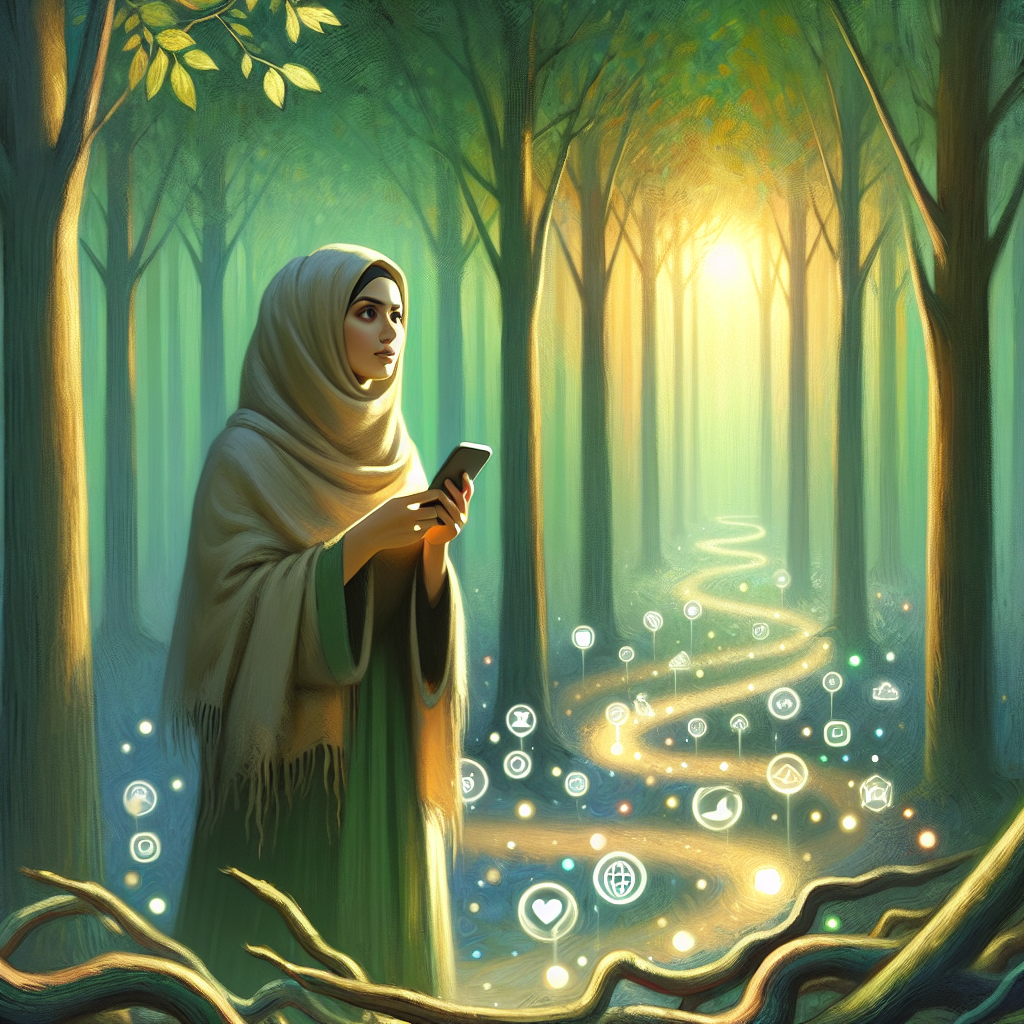
How Does Your Digital Legacy Reflect Your Values and Ethics?
Have You Considered the Narrative You Want Your Heirs to Inherit?
Have you considered the narrative you want your heirs to inherit? Legacy storytelling isn’t just about passing down wealth or possessions; it’s about imparting values, experiences, and lessons learned along the way. Imagine the conversations shared around a dinner table, stories echoing through generations, each tale a thread woven into the fabric of family history. This is more than nostalgia; it’s a crucial part of who we are and how we see our place in the world.
When you think about your legacy, consider what lessons you want to share. Life is often messy, filled with challenges that test our resilience. The truth is, every triumph and defeat is a teachable moment, offering insights that can guide future generations. It’s essential to reflect on what values you hold dear: hard work, integrity, compassion. Each of these ideals can be incorporated into your narrative, giving your heirs a moral compass to navigate their own journeys.
In an age where connections can feel fleeting, legacy storytelling fosters emotional bonds that can withstand the test of time. When your children and grandchildren hear your stories, they gain a sense of belonging, a clearer understanding of who they are and where they come from. These narratives become part of their identity, instilling a sense of purpose and continuity that can inspire them through their own challenges.
Think about the power of your voice. The stories of your trials and triumphs can serve as a source of strength and inspiration. As you share your experiences, you become an author of your family’s history, shaping how future generations perceive their inheritance. This isn’t mere storytelling; it’s a chance to etch your life’s lessons into their memories, creating touchstones they can return to in times of need.
As you craft this legacy, remember that it’s not just about leaving material wealth. The ethical considerations of what you impart—your values, your struggles, and your victories—carry a weight that can resonate across time. These narratives have the potential to influence how your heirs approach their lives, encouraging them to live authentically while making a difference in their own communities.
So, take a moment to ponder the story you want to leave behind. Ask yourself: What will my legacy be? It’s never too late to start writing your narrative. The time to engage in this vital legacy storytelling is now, ensuring that your lessons endure, shaping the lives of those who come after you.

Have You Considered the Narrative You Want Your Heirs to Inherit?
Have You Considered the Narrative You Want Your Heirs to Inherit?
- Legacy storytelling involves imparting values, experiences, and lessons to heirs rather than just wealth or possessions.
- Sharing personal stories fosters intergenerational connections, shaping family identity and continuity.
- Life’s challenges and triumphs serve as teachable moments, providing insights for future generations.
- Key values such as hard work, integrity, and compassion can guide heirs in their journeys.
- Emotional bonds created through storytelling offer a sense of belonging and identity to children and grandchildren.
- Personal narratives can inspire and strengthen future generations, acting as touchstones in times of need.
- Crafting a legacy is about ethical considerations and influencing heirs to live authentically and make a difference.

Have You Considered the Narrative You Want Your Heirs to Inherit?
What Advice Would an Expert Give About Securing Digital Assets?
When it comes to securing digital assets, think of it like safeguarding your family’s legacy. Every photo, every document, each cherished file holds a story worth protecting. The digital age may feel distant, but the emotions connected to our digital possessions are profoundly human. Start with the basics: a strong password. It’s the digital equivalent of a sturdy front door. If you wouldn’t trust just anyone with your key, don’t hand out your passwords carelessly. Use complex combinations, employing symbols and numbers, and change them regularly.
Next, consider two-factor authentication (2FA). It’s like having a loyal friend standing guard, ensuring that even if someone attempts to breach your door, they’ll still need permission from you. This added layer of security transforms your protective measures into a fortress rather than a simple lock.
But technology isn’t foolproof. Regularly back up your data—think of it as creating a family heirloom, maintaining a legacy that can withstand time and tragedy. Store backups in multiple locations, both on-site (like an external hard drive) and in the cloud. This redundancy creates a cushion against loss, giving you peace of mind.
Educate yourself about phishing scams. These deceptive tactics have become increasingly sophisticated, yet their essence remains the same. If something feels off, trust your gut. A legitimate request shouldn’t make you feel pressured or confused. Sharing your knowledge with friends and family fosters a community of vigilance; together, you become guardians of your collective digital legacies.
Invest in reputable security software. This isn’t just a purchase—it’s a commitment to your digital well-being. Research options and trust recommendations from experts who know the terrain. Their authority can guide you to reliable solutions, preventing costly mistakes that can jeopardize your digital narrative.
Finally, don’t forget the ethical dimension. Treasuring your digital assets isn’t merely about protecting what’s yours; it’s also an act of responsibility. As you cultivate your online presence, consider how your actions affect those around you. Commit to secure practices that prevent harm to both yourself and your community.
In securing your digital assets, remember: you shape your legacy every step of the way. Embrace the responsibility and take action, for it’s not just about what you protect—it’s about the stories you safeguard for future generations.

What Advice Would an Expert Give About Securing Digital Assets?
What Advice Would an Expert Give About Securing Digital Assets?
- Securing digital assets is akin to safeguarding a family’s legacy, with each file holding intrinsic value.
- Use strong, complex passwords and change them regularly to protect digital possessions.
- Implement two-factor authentication (2FA) for an additional layer of security.
- Regularly back up data, storing it in both on-site and cloud locations for redundancy.
- Stay informed about phishing scams and cultivate caution when responding to requests.
- Invest in reputable security software, guided by expert recommendations for effective protection.
- Embrace the ethical responsibility of digital asset protection, considering the impact on the community.

What Advice Would an Expert Give About Securing Digital Assets?
How Does the Lack Of Access to Digital Assets Affect Family Dynamics?
In a world increasingly shaped by technology, the lack of access to digital assets can create a chasm within families, affecting their dynamics profoundly. Picture a family gathered around the dinner table, sharing laughter and memories. Now imagine a member of that family, perhaps a grandparent, struggling to keep up with the digital age. They find themselves adrift in a sea of smartphones and social media, unable to participate in the conversations that weave together their loved ones’ lives. This isolation can leave them feeling disconnected, a passerby in their own family narrative.
The importance of digital assets extends beyond mere access to information; it’s about legacy storytelling. When families can seamlessly share thoughts, photos, and experiences online, they weave a rich tapestry of their collective history. These digital threads allow younger generations to understand their roots and build connections with their elders, fostering a sense of belonging. But when that access is uneven, stories risk being lost, memories fading like forgotten photographs tucked away in a box.
Rationally, when families face barriers to digital participation, they struggle to communicate. Important milestones—birthdays, graduations, weddings—can become fragmented moments, experienced in isolation rather than as a united family. The ethical implications of excluding family members from digital conversations weigh heavily. Shouldn’t every voice be valued, every story shared? When one member can’t engage, the fabric of family life is weakened.
Moreover, there’s authority in storytelling—those who chronicle their experiences hold power over how legacies are remembered. A family that includes everyone in their digital narrative empowers each member to contribute, fostering resilience and unity. Let’s not forget the social implications; a family that embraces digital assets is more likely to thrive in a society that increasingly demands technological fluency.
Inaction in addressing this digital divide doesn’t just hinder communication; it can create a generational rift that feels insurmountable. Families are not just clusters of individuals; they are dynamic entities that succeed together or falter apart. By bridging the gap in digital access, we can rekindle connections, ensuring that no voice feels silenced and every story is told, enriching the legacy that binds us all.

How Does the Lack Of Access to Digital Assets Affect Family Dynamics?
How Does the Lack Of Access to Digital Assets Affect Family Dynamics?
- The lack of digital access can create profound divisions within families, impacting their dynamics.
- Members, such as grandparents, may feel disconnected from family conversations and experiences.
- Digital assets are vital for legacy storytelling, allowing families to share memories and roots.
- Uneven access risks losing important family stories and memories over time.
- Barriers to digital participation lead to fragmented celebrations of milestones, weakening family bonds.
- Including everyone in digital narratives empowers family members and fosters unity and resilience.
- Addressing the digital divide is essential to ensure connections are maintained and every voice is heard.

How Does the Lack Of Access to Digital Assets Affect Family Dynamics?
What Social Responsibilities Come with Managing Your Digital Life?
In today’s interconnected world, managing your digital life extends beyond the realm of personal convenience; it’s about the legacy you leave behind and the stories that shape who we are. Every post, every share, every comment is a brushstroke on the canvas of your online presence, telling a story that resonates not just with you, but with everyone who crosses your digital path. It’s a narrative that deserves careful storytelling, echoing through the lives of others.
Consider this: Is your online identity reflecting your truest self? Each click carries weight, shaping perceptions and influencing behaviors. When you hit that share button, you’re not merely sending a message into the void; you’re participating in a broader conversation. It’s essential to remember that behind every screen, there’s a person with a story. Your words can uplift or harm, inspire or incite. The world doesn’t need more noise; it needs voices that contribute to meaningful discourse, voices that tell stories of hope, resilience, and understanding.
Managing your digital life is also about the ethical responsibility of curating content that upholds values of integrity and respect. This isn’t just a feel-good notion; it’s a call to action. By making conscious choices, you can help to foster a culture where compassion thrives over divisiveness. Stand for something, and let that message echo. When you engage with others authentically, sharing knowledge and experiences, you hold the power to transform the narrative and create connections that matter.
Imagine being the person who not only shares the latest trends but also promotes awareness on issues that count. People are looking for leaders in this chaotic digital landscape. Be that person. Be the voice that others trust. When you share insights and foster dialogue, you’re doing more than just managing your online presence—you’re building a community, enriching lives, and adding depth to everyone’s story.
So, as you navigate this complex digital terrain, ask yourself: What stories do you want to tell? What legacy do you wish to leave? Inspire others, connect deeply, and remember that each interaction is an opportunity to make a difference. Manage your digital life with intention, and watch as your narrative enriches not only your own experience but also those of countless others.
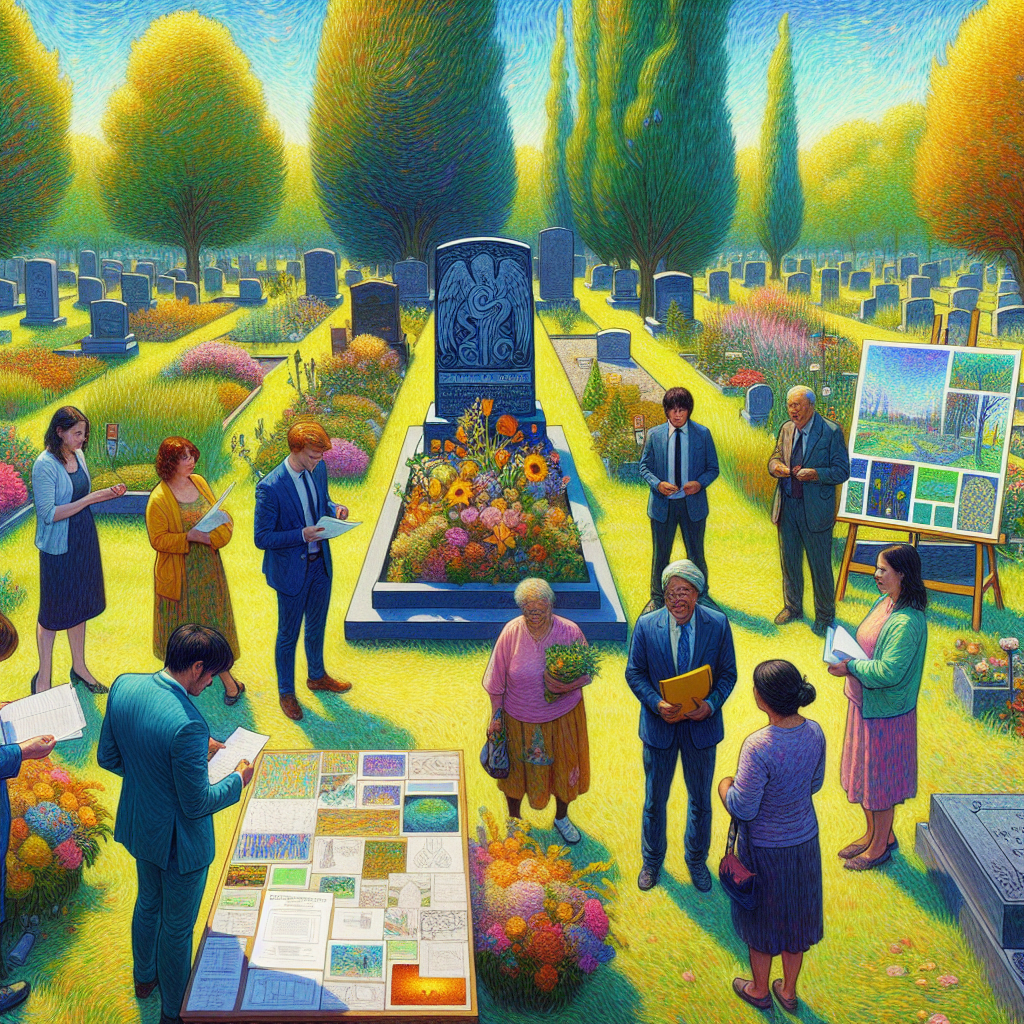
What Social Responsibilities Come with Managing Your Digital Life?
What Social Responsibilities Come with Managing Your Digital Life?
- Managing your digital life is about the legacy you leave and the stories you tell.
- Each online action contributes to your identity and influences others’ perceptions.
- Your words have the power to uplift or harm, and meaningful discourse is needed.
- Cultivating an online presence requires ethical responsibility and integrity.
- Make conscious choices to promote compassion over divisiveness.
- Engagement and sharing can transform narratives and build community.
- Reflect on the stories you want to tell and the impact you wish to make.

What Social Responsibilities Come with Managing Your Digital Life?
Conclusion
Your heirs can’t access your digital legacy, which poses a pressing challenge in our tech-driven world. Imagine your stories and memories becoming puzzles for your loved ones to solve in your absence, leaving them distressed and struggling to piece together not just your digital presence but the essence of who you were. Digital assets, from family photos to treasured communications, embody your life’s narrative. If access is lost, so are the connections and lessons meant to be passed down, jeopardizing the continuity of your legacy.
It’s vital to approach digital legacy planning with thoughtfulness. Think of it as a responsibility to those who come after you. They deserve more than a scavenger hunt through your digital world; they deserve a clear path to your memories and wisdom. By documenting accounts, passwords, and essential instructions, you offer a gift—an opportunity for your heirs to celebrate your life, not merely mourn your passing.
Consider the emotional toll on your family. The grief compounded by the complexity of navigating your digital life can add frustration to an already difficult time. A proactive approach involves opening dialogues with family about these matters, fostering trust while empowering them with the tools needed to preserve your story. This isn’t just about technology; it’s about maintaining bonds and ensuring that your values, experiences, and teachings resonate through generations.
Your digital legacy also reflects your values and ethics. Every post serves as an embodiment of your beliefs, influencing how future generations perceive you. By sharing stories that resonate with integrity, compassion, and authenticity, you create a foundation that inspires your family to continue those principles, shaping their narratives and decisions through the lessons you’ve imparted.
Managing your digital life is an act of love—a way to connect, to fortify family ties, and to ensure no voice goes unheard. The absence of access to digital assets can trigger not just communicative rifts but emotional distance, leading to a fragmented family narrative. It’s your legacy, your responsibility, and ultimately, your chance to influence life beyond your years.
Take action now; safeguard your digital assets and share your legacy purposefully. By doing so, you’ll empower your heirs to embrace your story, allowing your essence to flourish long after you’ve gone, ensuring that your life’s narrative remains a part of their journey forward.

Conclusion
Conclusion:
- Your heirs may struggle to access your digital legacy, creating challenges in understanding your life story.
- Digital assets like photos and communications are crucial for preserving your narrative and connections.
- Thoughtful digital legacy planning is essential for providing heirs with a clear access path to your memories.
- Open discussions with family about your digital life can foster trust and empower them to preserve your story.
- Your digital presence reflects your values and beliefs, influencing how future generations will perceive you.
- Managing your digital assets is an act of love that strengthens family bonds and keeps your voice alive.
- Taking proactive steps now ensures your legacy remains a meaningful part of your heirs’ journey forward.

Conclusion
Other Resources

Other Resources
Here is a list of other resources you can review online to learn more:
- Living Wisely
- Is There A Need To Pay For Copyrighting Services For Personal Or Family Legacy Stories?
- UpCounsel
- Funeral Finder
- Legacy
- FindMyPast
- LegalNature
- Storyfile
- RocketLawyer
- Funeral Services Guide
- USLegalWills.com
- Tributes
- Legacy Learned
- INELA
- How To Write Legacy Stories That Appeal To The Heart, Gut and Head
- Afternote
- Personal Legacy Advisors
- GhostMemo
- MyHeritage
- Everplans
Use This Prompt To Get More Resources With Your Favorite Online AI Tool: Please provide me with a list of online articles with their URLs in a bulleted list that I can read regarding Your Heirs Dont Have the Recovery Key

Other Resources
Glossary Terms
Your Heirs Dont Have the Recovery Key – Glossary Of Terms
1. Recovery Key: A cryptographic key used to restore access to encrypted data or accounts.
2. Heirs: Individuals legally entitled to inherit assets or possessions from a deceased person.
3. Encryption: The process of converting information into a code to prevent unauthorized access.
4. Access: The ability to obtain, utilize, or manage data or resources.
5. Decryption: The process of converting encrypted data back to its original form.
6. Digital Assets: Online resources, such as cryptocurrency or digital accounts, owned by an individual.
7. Estate Planning: The process of arranging for the disposal of an individual’s estate, including assets and debts.
8. Probate: The legal process of administering a deceased person’s estate, including verifying the will if one exists.
9. Custodial Services: Services that manage and safeguard digital assets for individuals or organizations.
10. Authentication: The process of verifying identity, often through passwords or biometric data.
11. Password Manager: A tool that stores and manages passwords for various accounts securely.
12. Legacy Contact: An individual designated to manage digital accounts after the owner’s death.
13. Cold Wallet: A type of cryptocurrency storage not connected to the internet, enhancing security.
14. Hot Wallet: A cryptocurrency wallet connected to the internet, allowing quick access but less security.
15. Multi-Factor Authentication (MFA): A security measure requiring multiple forms of verification before granting access.
16. Key Recovery: The process of regaining access to encrypted information when the encryption key is lost.
17. Trust: A legal arrangement where a third party holds assets for the benefit of another.
18. Will: A legal document outlining how a person’s assets should be distributed after death.
19. Intestate: Dying without a legal will, resulting in assets being distributed according to state law.
20. Cryptocurrency: A digital or virtual currency that uses cryptography for security and operates on decentralized networks.
21. Secure Backup: A duplicate of data stored safely to prevent loss in case of data compromise.
22. Data Breach: An incident where unauthorized access to confidential data occurs.
23. Digital Legacy: An individual’s online presence and assets, including social media accounts and digital files.
24. Executor: A person appointed to ensure that a deceased person’s will is carried out according to their wishes.
25. Beneficiary: An individual designated to receive assets or benefits from a will or trust.
26. Privacy Policy: A legal document outlining how an organization collects, uses, and protects user data.
27. Digital Footprint: The trail of data left by a person’s online activities, including websites visited and social media interactions.
28. Data Privacy: The aspect of information technology concerning the proper handling of sensitive personal data.
29. Token: A digital representation of an asset, often used in blockchain transactions.
30. Inheritance: The practice of passing on assets and obligations from one generation to another, often upon death.

Glossary Of Terms
Other Questions
Your Heirs Dont Have the Recovery Key – Other Questions
If you wish to explore and discover more, consider looking for answers to these questions:
- What immediate steps should heirs take if they discover they don’t have the recovery key?
- How do you securely record and store recovery keys and passwords for heirs to find?
- Can you legally leave passwords and recovery keys to heirs in a will or estate plan?
- What is the difference between a will, a digital estate plan, and a digital executor?
- How do major platforms (Google, Apple, Facebook, Microsoft, Twitter/X) handle accounts when a user dies?
- What documentation or proof will service providers require to grant account access to heirs?
- How are cryptocurrencies and hardware wallets accessed or transferred to heirs without the recovery key?
- What are the risks of storing recovery keys in a home safe, safety deposit box, or cloud storage?
- Are password managers the best option for passing on digital access, and how do heirs gain access to them?
- How should you handle two-factor authentication (2FA) and authentication apps when planning inheritance?
- What legal and privacy issues arise from sharing sensitive or confidential digital data with heirs?
- How can you grant temporary versus permanent access to digital accounts after death?
- What steps should businesses take to ensure business accounts and systems remain accessible after an owner dies?
- How do fiduciary duties and executor responsibilities apply to managing a deceased person’s digital assets?
- What are the best practices for documenting what digital assets exist (accounts, subscriptions, cloud files, social media)?
- How can heirs recover accounts if the deceased used biometric locks (face ID, fingerprint) on devices?
- What are secure ways to communicate access instructions to heirs without exposing them to hacks or theft?
- How do international or cross-border laws affect access to digital assets held with foreign providers?
- What are common mistakes people make when preparing their digital legacy that lead to locked-out heirs?
- How do you decide which digital assets to preserve, delete, or designate for memorialization?
- What are the ethical considerations of accessing and publishing a deceased person’s private digital content?
- How do family disputes over access to digital assets typically arise and how can they be prevented?
- What technical recovery options exist if encryption keys or passwords are lost (forensics, vendor recovery)?
- How long does it usually take for providers to grant access or close accounts after a death is reported?
- What should be included in a written “digital legacy” directive or instruction letter?
- Are there services that escrow recovery keys or act as a trusted third party for digital inheritance?
- How do subscription services, recurring payments, and digital-billing accounts get handled after death?
- What protections can be put in place to prevent identity theft using a deceased person’s digital credentials?
- How can you transfer ownership of domain names, blogs, or monetized content to heirs?
- What are best practices for preserving family photos, videos, and oral histories stored digitally?
- How should you document passwords and access in a way that remains usable yet secure over decades?
- How often should you update your digital legacy plan and test that heirs can follow the instructions?
- What are the costs associated with professional digital estate planning or legal assistance?
- How do data-protection laws (e.g., GDPR, CCPA) affect what heirs can access or request to be deleted?
- Can employers or institutions lock heirs out of work-related accounts, and how are those handled?
- What should parents consider when planning digital access for minor children in the event of their death?
- How can you draft clear, actionable scripts or templates to help heirs navigate account recovery?
- What are the pros and cons of sharing recovery keys with a trusted person during your lifetime?
- How should you handle legacy social media settings (memorialization, deletion, or legacy contacts)?
- What technical tools (encrypted USB, hardware wallet, secure vault services) are recommended for long-term key storage?
- How do you balance transparency with privacy when deciding which digital items heirs should access?

Other Questions
Haiku
Your Heirs Dont Have the Recovery Key – A Haiku
Heirs seek your stories,
Keys to a treasure of hearts,
Guardians of your past.

Haiku
Poem
Your Heirs Dont Have the Recovery Key – A Poem
In the digital vaults where memories dwell,
Lie treasures untold, each story to tell.
Yet heirs stand bewildered, keys lost in the fray,
Their love and their hopes, now kept far away.
A tapestry woven from laughter and strife,
Holds fragments of past, our shared human life.
What happens to photos of birthdays and tears,
When passwords block pathways, and silence our years?
Beyond wires and screens, our values take flight,
In moments we cherish, in whispers at night.
Legacy whispers, “Share what you hold true,
For the future awaits, with stories from you.”
Ethics intertwine with the tales we must pass,
Every fumble, each triumph, our roots set the class.
Designate guardians, empower their quest,
So gratitude dances, and love can find rest.
Navigate this labyrinth of grief and of loss,
With maps drawn in trust, and memories embossed.
What will they inherit—our pride and our pain?
The wisdom of living, the joy and the gain.
Plant seeds of connection that flourish and rise,
As stories entwine, let the past be the prize.
For every lost moment, let laughter resound,
In the echo of hearts, our legacies found.
So unlock the doors to the life that you’ve led,
Share keys of your essence, let love be widespread.
May your digital presence reflect every part,
Of a narrative cherished—an unbreakable heart.

Poem
Checklist
Your Heirs Dont Have the Recovery Key – A Checklist
Emotional Appeals
✅______ Reflect on your story. Take time to identify the key stories and memories you want to preserve for your heirs.
✅______ Express your values. Write down the values and lessons you wish to pass on, ensuring your legacy is felt emotionally.
Rational Appeals
✅______ Document your accounts. Create a clear list of all digital accounts, including passwords and access methods.
✅______ Set up two-factor authentication. Enhance security by implementing two-factor authentication on vital accounts.
Ethical Appeals
✅______ Consider your heirs. Think about how your digital footprint affects your loved ones and provide guidance for managing your assets.
✅______ Educate about digital responsibilities. Share knowledge with family about the importance of digital security and legacy.
Authority Appeals
✅______ Seek expert advice. Consult with a financial planner or legal expert about digital asset management and estate planning.
✅______ Utilize trusted tools. Use reputable software for password management and data security, following expert recommendations.
Narrative Appeals
✅______ Craft your legacy story. Write a narrative that intertwines your personal history with digital assets, illustrating the significance of each element.
✅______ Share insights. Record videos or write letters detailing life lessons to accompany digital memories.
Social Appeals
✅______ Engage family in discussions. Foster open conversations with family about your digital legacy and their roles in preserving it.
✅______ Create shared spaces. Set up family accounts or albums where everyone can contribute to the digital family narrative.
Practical Steps
✅______ Regularly back up data. Maintain backups of essential digital files in multiple locations (cloud and physical).
✅______ Plan for future access. Designate an individual or create a plan that ensures your heirs can access and manage your digital assets.

Checklist
At LegacyExplorations, we help people plan and explore their legacy by collecting information and news regarding end-of-life planning.
Please share this post with your friends, family, or business associates who may want help to plan or explore their legacy.