

Secure Your Future: Honoring The Past To Inspire Tomorrow
By Tom Seest
At LegacyExplorations, we help people plan and explore their legacy by collecting information and news regarding end-of-life planning.
Please share this post with your friends, family, or business associates who may want help to plan or explore their legacy.
Your Legacy Depends on Backward Compatibility
In the rush of innovation, it’s easy to forget that progress isn’t just about breaking new ground; it’s also about honoring the past. Your legacy isn’t solely built on what you achieve today, but how you tie it back to what’s come before. Just as a book connects its chapters through compelling legacy storytelling, each move you make should reflect an understanding of those who paved the way before you.
Consider the tale of a craftsman, who meticulously hones his skills, blending time-honored techniques into modern creations. Every cut of wood, every stroke of paint, and every design choice tells a story that mirrors the resilience and creativity of those who worked the same craft generations ago. This narrative is powerful; it reminds us that we are not alone in our struggles or triumphs. By acknowledging the foundations laid by others, we create a bridge that encourages connection across time.
Rationally speaking, backward compatibility isn’t just a nice-to-have; it’s a necessity. Think of software updates that render older versions obsolete—suddenly, users are left scrambling, feeling alienated, and frustrated. When legacy systems interconnect with contemporary innovations, that harmonious blend fosters trust. It sends a clear message: we value your history as much as our future. This is an ethical responsibility; it’s about respecting the loyalty of those who have supported you and ensuring that their contributions are not lost amid the inertia of progress.
On a personal level, consider how often we tell our own stories. We weave in tales of grandparents, teachers, mentors—individuals who shaped our paths. This sharing builds a sense of community that transcends generations. When you enrich your audience’s experience with the wisdom of the past, you engage their hearts. They resonate with the themes of struggle, determination, and triumph. These emotions are universal.
Your legacy hinges not just on what you leave behind, but how you frame it. By fostering connections to the past through backward compatibility, you not only preserve history; you enrich your own narrative. Ultimately, it inspires action—whether that’s picking up a tool, sharing a story, or simply saying thank you to those who etched their mark on your journey. Backward compatibility is more than a concept; it’s a commitment to legacy storytelling that allows us to move forward while honoring those who came before. It’s in this blend of heart, head, and gut where true legacy lies, waiting to be shaped and shared.
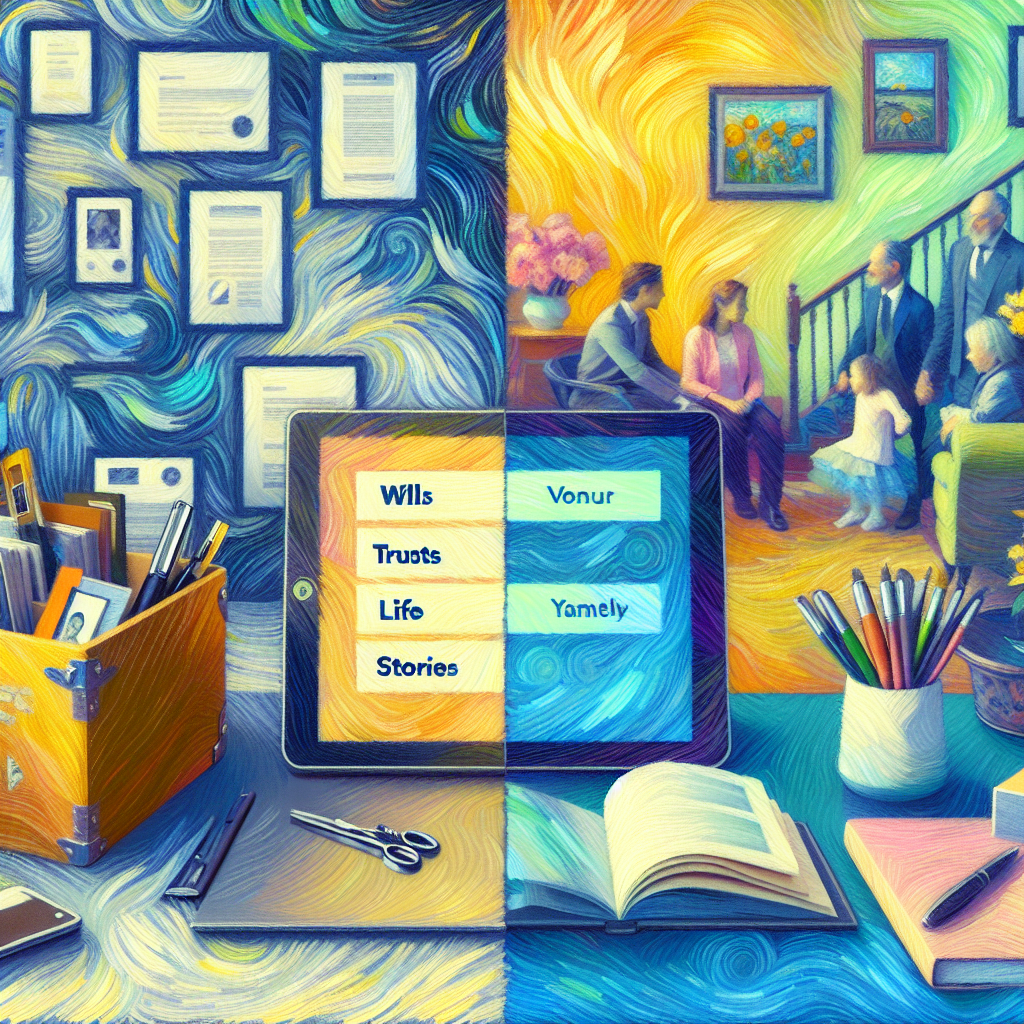
Your Legacy Depends on Backward Compatibility
Your Legacy Depends on Backward Compatibility
- Progress involves honoring the past alongside innovation.
- Legacy connects achievements to history and the efforts of predecessors.
- A craftsman’s techniques reflect resilience and creativity of past generations.
- Backward compatibility is essential for maintaining user trust and connection.
- Respecting historical contributions fosters community and collaboration.
- Engaging with past wisdom enriches personal narratives and emotional connections.
- Legacy storytelling encourages action and appreciation for those who influenced our journey.

Your Legacy Depends on Backward Compatibility
Table Of Contents
- Your Legacy Depends on Backward Compatibility
- What Does Your Legacy Mean to You?
- How Does Backward Compatibility Impact Us?
- Are You Prepared for Future Technological Changes?
- How Does Change Affect Our Values and Traditions?
- What Story Will Your Legacy Tell Future Generations?
- Is It Ethical to Prioritize New Tech Over Existing Systems?
- How Can We Balance Innovation with Respect for the Past?
- Conclusion
- Other Resources
- Glossary Of Terms
- Other Questions
- Haiku
- Poem
- Checklist
What Does Your Legacy Mean to You?
Legacy isn’t just a matter of passing on possessions or achievements; it’s the narrative we leave behind, the enduring impact we have on those we’ve crossed paths with. It’s the culmination of our Legacy Storytelling, where every chapter reflects who we are, the choices we’ve made, and the lives we’ve touched. When we consider what legacy means to us, we grapple with the heart as much as we engage the head, urging ourselves to think about the essence of our existence.
Imagine standing at a crossroads, where every decision you make today shapes the story of tomorrow. It’s an ethical responsibility, a solemn promise to ourselves and to those around us. How do you want to be remembered? Do you want your name to echo in the hearts of your loved ones, or would you prefer a fleeting mention in a dusty history book? The answer lies in the actions we take, the kindness we show, and the authenticity we embrace.
Your legacy is more than a mark on history; it’s a living testament to your values and beliefs. It demands reflection. Think about the moments that have defined you. Each experience contributes to the larger narrative, reinforcing the idea that our actions matter. We gain authority over our story when we choose to live deliberately, understanding that every interaction is a chance to influence someone else’s script.
Consider the tales of those who’ve come before us. Their stories resonate because they reflect universal truths—the struggles, the victories, the lessons learned. When we share our own stories, we invite others to connect. This act of vulnerability fosters trust, breaking down barriers and building a community steeped in shared values. We all yearn for belonging, and through our legacy, we can forge connections that outlast us.
Legacy is also an invitation to action. When you realize that your life’s narrative has the power to inspire others, it becomes a beacon. You’re not just living for yourself; you’re contributing to a greater purpose, encouraging others to reflect on their choices and consider their own legacy. Your story doesn’t just belong to you; it lives on in the hearts of those you inspire.
Ultimately, your legacy is a blend of the heart, head, and gut—a holistic reflection of your time here on Earth. So, what does your legacy mean to you? It’s an opportunity to leave the world a little better than you found it, through every choice, every story, and every connection.

What Does Your Legacy Mean to You?
What Does Your Legacy Mean to You?
- Legacy is about the narrative we leave behind, reflecting our impact on others.
- Each chapter of our life story showcases our choices and relationships.
- Our legacy involves ethical responsibility and how we wish to be remembered.
- It serves as a living testament to our values, beliefs, and important life moments.
- Sharing our stories fosters connection, trust, and a sense of belonging.
- Legacy invites us to inspire others and reflect on our life’s purpose.
- Ultimately, legacy is a holistic reflection of our existence and contributions.
What Does Your Legacy Mean to You?
How Does Backward Compatibility Impact Us?
Backward compatibility isn’t just a technical term; it resonates deeply in our lives, shaping the way we interact with technology and each other. Imagine holding onto your favorite childhood toy. It’s more than an object; it’s a legacy, a vibrant piece of your story. In the same way, backward compatibility serves as a bridge, linking our past experiences with the innovations of tomorrow.
Consider the joy of revisiting a beloved video game from your youth. When you dust off that old console and find that it works with the latest technology, you’re not simply experiencing nostalgia; you’re engaging in legacy storytelling. It speaks to our collective desire to preserve memories while embracing progress. This connection reinforces the idea that our past informs our present and that each advancement should honor what came before it.
Rationally, backward compatibility makes sense. It builds trust between creators and consumers. Developers who prioritize compatibility demonstrate a respect for their users’ time and investment. When we invest in new platforms or devices, we naturally expect them to respect our previous choices. This creates a sense of security, knowing that our investments aren’t rendered obsolete overnight. It encourages us to explore new technologies without the fear of leaving our stories behind.
Ethically, prioritizing backward compatibility reflects a commitment to inclusivity. It says, “You matter.” In a world where technology can often feel alienating, ensuring compatibility allows people of all ages and backgrounds to participate in advancements. It brings us together, fostering a community built on shared experiences and values. Just as a grandmother might pass down a cherished recipe, technology should allow us to carry forward knowledge and experiences.
Socially, backward compatibility fosters connection. It enables conversations across generations, allowing young and old to engage in shared experiences. A teenager playing an old game with their parent creates a space for dialogue, nostalgia, and learning. This shared engagement invites empathy and understanding, reminding us that while times change, memories and stories endure.
Ultimately, backward compatibility is more than a convenient feature; it’s a lifeline that bridges generations. It invites us to embrace new horizons while honoring our legacies. In a rapid-paced world, we look for connections, and backward compatibility offers just that—a reassurance that, no matter how much things change, some stories will always remain.
How Does Backward Compatibility Impact Us?
How Does Backward Compatibility Impact Us?
- Backward compatibility serves as a bridge linking past experiences with future innovations.
- It evokes nostalgia and engages in legacy storytelling through experiences like revisiting old video games.
- Rationally, it builds trust between creators and consumers, ensuring investments remain relevant.
- Prioritizing compatibility reflects a commitment to inclusivity, allowing all ages to participate in advancements.
- It fosters social connections by enabling shared experiences across generations.
- Backward compatibility encourages empathy and understanding through shared dialogue and memories.
- Ultimately, it serves as a lifeline that honors legacies while embracing progress.

How Does Backward Compatibility Impact Us?
Are You Prepared for Future Technological Changes?
In a world that evolves at breakneck speed, the question isn’t just whether you can adapt to change, but whether you’re actively preparing for it. Each technological advancement offers both challenges and opportunities that can shape your future, much like the stories that define who we are.
Legacy storytelling isn’t just a relic of the past; it’s the foundation of our identity. It’s woven into our human fabric and reminds us of where we came from. Think about the stories passed down through generations—the trials, triumphs, and the lessons learned—and how they provide a blueprint for the future. They remind us that while the tools and technologies may shift, the fundamental human experiences remain.
As we step into the future, it’s essential to utilize both our heads and hearts. The rational mind craves understanding; it wants to analyze data, predict trends, and make informed decisions. But let’s not forget the emotional pull that drives us—our hopes and dreams. When you align your aspirations with technological advancements, you create a powerful synergy that can propel you forward. Ask yourself: How will these changes enhance the legacy you want to leave behind? This isn’t just about you; it’s about your family, your community, and the societal footprint you wish to imprint.
Ethically, we have a responsibility to engage with rising technologies thoughtfully. We must advocate for transparency and accountability in the tools we embrace. By prioritizing these values, we foster trust not only in ourselves but also in the innovations that surround us. Collaboration becomes vital; working together to ensure that progress aligns with our shared values makes all the difference.
As you navigate this landscape, remember that every technological shift presents a narrative—your narrative. Embrace the uncertainty, share your experiences, and learn from others. The more we connect through our stories, the stronger our collective resilience becomes.
Let’s not wait until change knocks at our door. Take action today, whether by upskilling, engaging in community conversations, or simply reflecting on your legacy. Forge connections and cultivate relationships with those who inspire you to evolve.
In preparing for the future, we don’t just adapt; we grow, we thrive, and we carry forward the legacy of our stories—ensuring they resonate in a world yet to come.

Are You Prepared for Future Technological Changes?
Are You Prepared for Future Technological Changes?
- Adaptation to change is crucial as technology evolves rapidly.
- Legacy storytelling forms the foundation of our identity and connects us to our past.
- Human experiences remain constant despite changing tools and technologies.
- Aligning aspirations with advancements fosters a powerful synergy for progress.
- There is a collective responsibility for ethical engagement with technology.
- Collaboration is essential to ensure technological progress reflects shared values.
- Take proactive steps towards growth and connection to prepare for the future.

Are You Prepared for Future Technological Changes?
How Does Change Affect Our Values and Traditions?
Change is the only constant in life, yet it often feels like an adversary—a force that disrupts the neatly woven fabric of our values and traditions. But let’s take a moment to ponder this: What if change is not simply a thief, but also a teacher? This narrative shifts from fear to opportunity when we embrace the notion of legacy storytelling. In the tapestry of our lives, our values and traditions are threads that tell our stories. Every generation has faced its own upheavals, yet has emerged, sometimes phoenix-like, with renewed strength and understanding.
Consider the family dinner table, once the heart of our gatherings—a site of legacy storytelling, where laughter and lessons amalgamate. Over time, the traditions surrounding that table may evolve. The recipes that once traveled down from grandmother’s kitchen might adapt to include vegan dishes or spices from cultures once unfamiliar. This transformation might cause some to lament the loss of the “real” flavors, but here’s the crux: change invites innovation and inclusion, allowing us to connect more deeply with a wider array of experiences.
Now, let’s engage the mind. Rationally, we recognize that change is often dictated by larger societal forces. Economic shifts, technological advancements, and cultural exchanges redefine our values. It’s easy to bemoan the loss of what we knew, yet it’s crucial to examine how these changes present opportunities to re-evaluate and refine our ethical frameworks. What once seemed unyielding can now adapt to promote understanding, respect, and unity—a narrative grounded in empathy for those whose stories differ from our own.
Hearts and guts come into play when we consider the emotional toll these changes entail. When traditions alter, they can evoke a deep-seated sense of loss. But mourning what was can also result in a profound appreciation for what is and can be. We grow stronger when we share these feelings, reflecting on the deep connections they foster within our communities.
Here lies the authority of transformation—our collective stories weave a robust narrative that resonates across generations. By embracing change, we can forge stronger connections and emerge with values that are richer, more inclusive, and reflective of a shared human experience. It’s within this evolving landscape of tradition that we find not just trust but a call to action—a rallying cry for individuals to contribute to a legacy that honors the past while boldly stepping into the future.

How Does Change Affect Our Values and Traditions?
How Does Change Affect Our Values and Traditions?
- Change is a constant force that disrupts values and traditions.
- Change can be viewed as a teacher rather than just a thief.
- Legacy storytelling transforms fear into opportunity.
- Traditions, like family dinners, evolve over time, incorporating new influences.
- Societal forces drive change, prompting a re-evaluation of ethical frameworks.
- Mourning past traditions can deepen appreciation for present experiences.
- Embracing change fosters stronger connections and a richer, more inclusive narrative.

How Does Change Affect Our Values and Traditions?
What Story Will Your Legacy Tell Future Generations?
Legacy isn’t just a word; it’s the narrative we weave through our actions, choices, and the way we engage with the world. When we talk about legacy storytelling, we’re asking ourselves what essence lives on long after we’re gone. It’s not merely about achievements or accolades but the genuine impact we have on the lives of others. A great legacy invites those who come after to reflect honestly on our lives.
Picture a moment where your heart beats a little faster, a moment where your gut instinct reigns, reminding you of your true purpose. That’s where legacy begins. Each decision you make today can be a stepping stone toward a future generation’s understanding of resilience, courage, and compassion. Imagine a child, perhaps your grandchild, years from now, sharing stories of how you faced challenges head-on. They aren’t just recounting history; they’re living a part of your legacy story.
People instinctively connect with narratives that resonate — stories filled with authenticity and heart. Sharing your struggles and triumphs creates an emotional bridge that invites others to walk alongside you. When we open up about failures and what we learned from them, we give hope to those who may someday face similar crossroads. It cultivates trust, making hardships relatable and inspiring action where once there was only doubt.
Consider the ethical implications of your legacy. It’s not enough to simply exist; it’s about the choices you make and the values you embody. Are you fostering kindness? Are you standing up for what you believe is right? Legacy storytelling is etched by the ethics you uphold and how they influence the lives around you.
Furthermore, our stories don’t exist in isolation; they are inherently social. Share them among family, friends, or even broader communities. Narratives have the power to ignite change, incite conversations, and spark movements. Picture gatherings where those stories are told — where laughter mixes with tears, filling the room with a palpable sense of connection.
As you ponder your legacy, ask yourself: what story do you want to tell? It’s within your grasp to shape it now. Ensure that your chapter contributes to a greater narrative, one that future generations will refer to, learning from the wisdom you impart. You have the pen; write a story worth sharing.

What Story Will Your Legacy Tell Future Generations?
What Story Will Your Legacy Tell Future Generations?
- Legacy is defined by our actions, choices, and engagement with the world.
- Legacy storytelling reflects on the lasting impact we have on others, beyond achievements.
- Each decision contributes to a future understanding of resilience, courage, and compassion.
- Sharing personal stories of struggles and triumphs fosters connections and trust.
- Ethical implications shape our legacy through the values we embody and choices we make.
- Stories are social; they can ignite change and foster community connection.
- We have the power to shape our legacy and create a narrative worth sharing for future generations.

What Story Will Your Legacy Tell Future Generations?
Is It Ethical to Prioritize New Tech Over Existing Systems?
Is it ethical to prioritize new tech over existing systems? This question tugs at the heartstrings of anyone who’s witnessed the sweeping tide of innovation that often seems to leave venerable traditions and systems in its wake. The truth is, every shiny new gadget or groundbreaking platform comes wrapped in a legacy—one that tells a story of hard work, sweat, and dedication. These stories are not just relics of the past; they are the foundation upon which our progress stands.
Consider the millions of people whose lives have been woven into the fabric of existing systems. From the small-town shopkeeper who has spent decades nurturing relationships with loyal customers to the engineers who meticulously designed our infrastructures, these individuals are more than mere inhabitants of a bygone era—they are the storytellers of our collective journey. Their legacy deserves more than a footnote in the annals of technological advancement; it deserves to be honored.
Now, let’s engage our heads, tapping into the rationality that drives decision-making. New technology often promises efficiency, but at what cost? The metrics may signal progress, yet we mustn’t forget the essential human element. Ethically speaking, prioritizing cutting-edge solutions while disregarding existing systems can lead to a loss of community, a rupture of social fabric. The repercussions can be profound, echoing through generations.
It’s vital to recognize authority in this discourse. Tech leaders and innovators often scrub their narratives clean of what preceded them. Yet, it is essential for them to acknowledge the groundwork laid by those before them. The invitation here is simple: let’s inspire a connection between the new and the old. Rather than pitting them against each other, consider how they might coexist, complementing and enhancing one another.
The narrative we craft around this topic should resonate deeply, urging us to reflect on how we can honor legacy while embracing advancement. Our choices today will ripple through time, influencing not just our immediate landscape but the environment our children and grandchildren will inherit.
Let’s foster a dialogue that inspires action—a call to balance innovation with an appreciation for the past. We stand at a crossroads. By honoring the legacy of those who came before us, we can ensure that our journey forward is not just faster, but also richer and more meaningful. In this race for the future, we shouldn’t lose sight of the invaluable stories that have brought us to this very moment.

Is It Ethical to Prioritize New Tech Over Existing Systems?
Is It Ethical to Prioritize New Tech Over Existing Systems?
- The ethics of prioritizing new technology over existing systems raises important questions about legacy.
- Every new gadget or platform is built on the hard work and dedication of those before us.
- Individuals integral to existing systems deserve recognition and respect for their contributions.
- Cutting-edge technologies can enhance efficiency, but may lead to loss of community and social fabric.
- Tech leaders should acknowledge the groundwork laid by predecessors rather than ignore it.
- A balance between innovation and honoring legacy is essential for meaningful progress.
- Decisions made today will shape the future for generations to come, emphasizing the importance of a respectful dialogue.

Is It Ethical to Prioritize New Tech Over Existing Systems?
How Can We Balance Innovation with Respect for the Past?
Balancing innovation with respect for the past isn’t just a challenge; it’s a journey soaked in legacy and storytelling that shapes who we are. We live in an age that often demands relentless progress, where the shiny allure of the future can overshadow the wisdom gleaned from history. Yet, every advancement in technology, every leap in creativity, stands on the shoulders of those who came before us—great thinkers, skilled craftsmen, and passionate dreamers who didn’t just build, but also told stories.
The stories of our past serve a dual purpose: they teach us lessons and remind us of where we’ve come from. To innovate effectively, we must embrace this legacy, weaving it into the fabric of our future endeavors. The challenge lies in finding that harmony between respecting the Old World while daring to walk into the New. This need not be a conflict; indeed, it can be a collaboration. The best innovations often spring from understanding historical contexts, respecting traditional methods, and reimagining them for a contemporary audience.
Consider artisans who use cutting-edge techniques while honoring time-honored craftsmanship. They do not discard the old but integrate it, forging a path that honors their legacy while pushing boundaries. This balance evokes a sense of trust—a reassurance that while we may venture into new territories, we do so with respect and awareness. It’s about recognizing the voices of the past in our work today, validating their struggles and triumphs through our innovations.
As we engage in this process, we invite conversation and connection. Communities come alive when they share their stories, learning from one another. By honoring legacy storytelling, we create a rich fabric that binds generations, making innovations more meaningful. Imagine a startup rooted in the values of its founders, who draw inspiration from their parents and grandparents, fostering not just innovation but also cultural continuity.
The heart aches for stories that resonate, the head seeks understanding and synergy, and the gut craves authenticity. When we balance innovation with respect for the past, we create a legacy ourselves—a narrative that acknowledges respect while still daring to dream. In this way, we don’t just move forward; we carry our history with us, ensuring that as we innovate, we do so in a manner that is mindful, relatable, and ultimately inspiring. Trust grows when action aligns with intention, blending the old with the new to craft a future rich with potential.

How Can We Balance Innovation with Respect for the Past?
How Can We Balance Innovation with Respect for the Past?
- Balancing innovation with respect for the past is a journey shaped by legacy and storytelling.
- Relentless progress often overshadows the wisdom of history, yet advancements build upon earlier contributions.
- Historical stories teach lessons and emphasize the importance of embracing legacy in future endeavors.
- Effective innovation harmonizes respect for traditional methods with exploration of new ideas.
- Artisans merge cutting-edge techniques with time-honored craftsmanship, fostering trust and awareness.
- Communities thrive through shared storytelling, enhancing the meaning of innovations.
- Balancing past and future creates a mindful legacy, ensuring authenticity and inspiration in innovation.

How Can We Balance Innovation with Respect for the Past?
Conclusion
While the relentless march of innovation often tempts us to erase the past, it’s crucial to recognize that true progress intertwines with the stories and legacies left by those who came before us. Just like the strong lines of a well-crafted piece, our legacies are built not only on what we create in the present but also on how we acknowledge and honor the contributions of our predecessors. Each of us has a story, shaped by the struggles and triumphs of past generations. Think of a craftsman, expertly merging time-honored techniques with modern creativity—each stroke a reminder that legacy is not just an artifact but a living thread connecting us to our roots.
Rationally, the importance of backward compatibility becomes clear. It fosters trust, showing that we value history and the contributions of those who supported us. Just as outdated software can alienate users, ignoring our legacies can leave us feeling lost in a world deep in change. The emotional weight of this cannot be overstated; we tell our own stories because they resonate with universal themes of love, loss, and perseverance. Our tales—shared around dinner tables or across generations—bind us in community and remind us of our shared humanity.
We’re not just custodians of our own choices. Our legacies ripple through time, challenging us to think ethically about how we wish to be remembered. The choices we make today affect not just our lives but those of our children and their children. Holding true to our narratives can inspire action; it becomes a call for authenticity, compassion, and courage.
The task ahead lies in finding balance—honoring the past while forging new paths. As society evolves, our foundational stories guide us through change, urging us to innovate responsibly while nurturing the relationships that give our lives meaning. By blending innovation with respect for tradition, we enrich our narratives, creating legacies worth passing down.
Reflect on what your legacy means for future generations. It’s a blend of heartfelt storytelling, ethical reflection, and a commitment to honoring the interconnectedness of our lives. Embrace the change, but take the stories and wisdom from the past with you. After all, true legacy lies not in what we leave behind but in how we inspire those who follow to carry the torch forward.

Conclusion
Conclusion:
- Innovation must recognize and honor the legacies of those who came before us.
- Our stories are shaped by the struggles and triumphs of past generations.
- Backward compatibility fosters trust and values history in our progress.
- Ignoring legacies can lead to feelings of disconnection in a rapidly changing world.
- We are responsible for the impact of our choices on future generations.
- Finding balance between honoring the past and forging new paths is essential.
- True legacy lies in inspiring future generations to carry our stories forward.

Conclusion
Other Resources
Other Resources
Here is a list of other resources you can review online to learn more:
- MyWishes
- Association of Personal Historians
- Tributize
- Obituary Templates
- NoLo
- INELA
- RootsMagic
- Digital Legacy Association
- Ever Loved
- Your Digital Afterlife
- UpCounsel
- Xarona
- Storyworth
- LifeBio
- How to Save Your Family�s Stories from Being Lost Forever � A Step-by-Step Guide to Creating a Lasting Digital Legacy
- LegacyFamilyTree
- Lexikin
- Legacy Family Tree
- Legacy Learned
- IronClad Family
Use This Prompt To Get More Resources With Your Favorite Online AI Tool: Please provide me with a list of online articles with their URLs in a bulleted list that I can read regarding Your Legacy Depends on Backward Compatibility

Other Resources
Glossary Terms
Your Legacy Depends on Backward Compatibility – Glossary Of Terms
1. Backward Compatibility: The ability of a system to integrate and function with older versions of itself or with previous technology.
2. Legacy System: An outdated computing system, equipment, or application that is still in use, often due to the high cost of replacing or upgrading.
3. Migration: The process of moving data or applications from one system to another, often involving updates to meet current standards.
4. Interoperability: The capability of different systems, devices, or applications to work together effectively.
5. Software Update: A modification that improves a software program, often including fixes or new features to ensure compatibility with modern systems.
6. Technical Debt: The implied cost of additional rework caused by choosing an easy solution now instead of using a better approach that would take longer.
7. API (Application Programming Interface): A set of rules that allows different software applications to communicate and interact with each other.
8. User Experience (UX): The overall experience a person has when interacting with a system, emphasizing usability and efficiency.
9. Data Integrity: The accuracy and consistency of stored data, crucial for maintaining functionality in both current and legacy systems.
10. Version Control: A system that manages changes to documents, computer programs, and other collections of information, enabling backward compatibility.
11. Digital Transformation: The process of integrating digital technology into all aspects of business, modifying how value is delivered to customers.
12. Compatibility Testing: The process of testing to ensure that software and hardware work together as intended, particularly across various versions.
13. End-of-Life (EOL): The point in time when a product is no longer supported or sold, making backward compatibility essential for continued use.
14. Data Migration: Moving data from one storage system or format to another while maintaining data integrity and compatibility.
15. System Integration: Combining different computing systems and software applications physically or functionally to work together within an organization.
16. Maintainability: The ease with which a product or system can be repaired or updated, ensuring it remains useful over time.
17. Change Management: The approach to transitioning individuals, teams, and organizations to a desired future state, particularly during system upgrades or replacements.
18. Upgrade Path: A documented sequence of upgrades that a product or system can undergo to enhance features or maintain compatibility.
19. Data Migration Strategy: A plan outlining how data will be transferred between systems, ensuring minimal disruption and maximum compatibility.
20. Support Lifecycle: The duration of time a product is supported, including updates and maintenance, which affects backward compatibility.
21. Legacy Code: A source code that is inherited from an older version of software, often difficult to maintain or integrate withnew systems.
22. Emulation: Running older software or systems on newer hardware through replication of the original environment to maintain usability.
23. Scalability: The capability of a system to grow and manage increased demand while maintaining performance and compatibility.
24. Documentation: Written records that provide guidelines, standards, and protocols for managing legacy and backward-compatible systems.
25. Performance Optimization: Improving the efficiency of a system or application while ensuring compatibility with previous versions.
26. Fallback Strategy: A contingency plan that allows reverting to a previous state or version if a new implementation fails or is incompatible.
27. Software Lifecycle: The series of phases for software development and maintenance, crucial for planning backward compatibility.
28. Testing Framework: A set of guidelines or tools used to create and run tests on software, ensuring compatibility throughout updates.
29. Continuous Integration: A practice in software engineering where code changes are automatically tested and merged, ensuring ongoing compatibility.
30. User Acceptance Testing (UAT): The phase in software development where end-users test the software to ensure it meets their needs and performs compatibility checks.

Glossary Of Terms
Other Questions
Your Legacy Depends on Backward Compatibility – Other Questions
If you wish to explore and discover more, consider looking for answers to these questions:
- What is backward compatibility in practical terms for my product or organization?
- How do I evaluate which legacy systems, traditions, or assets must be preserved?
- What are the costs and benefits of maintaining backward compatibility?
- How should I prioritize backward compatibility versus innovation when resources are limited?
- What technical strategies ensure backward compatibility (APIs, adapters, emulation, versioning)?
- How do I design and communicate deprecation policies that respect users and legacy stakeholders?
- How can I measure the impact of backward compatibility on user trust, retention, and brand reputation?
- What governance, decision-making frameworks, or criteria help balance legacy and innovation?
- How do I migrate data and artifacts without losing historical context or meaning?
- What documentation practices capture legacy knowledge and make it usable for future teams?
- What legal, regulatory, or intellectual property issues arise when preserving or exposing legacy systems?
- How can we digitally preserve intangible heritage (recipes, oral histories, craft techniques) effectively?
- How do we include diverse and underrepresented voices when deciding what to preserve?
- What training, mentoring, or succession planning is needed to transfer legacy knowledge across generations?
- Which companies or industries offer strong case studies of balancing legacy with innovation?
- How can legacy storytelling be applied to branding, communications, and customer experience?
- What ethical frameworks should guide decisions about prioritizing new tech over existing systems?
- When is it appropriate to break backward compatibility, and what is the least harmful way to do so?
- What risks does backward compatibility introduce (technical debt, security vulnerabilities) and how can they be mitigated?
- How do open standards, interoperability, and community-driven solutions support long-term compatibility?
- How should organizations allocate budgets between innovation initiatives and legacy maintenance?
- What tools, tests, and validation processes ensure compatibility across versions and platforms?
- How can leaders craft a legacy narrative that aligns corporate strategy with social responsibility?
- How do changes to values and traditions affect stakeholder relationships and community cohesion?
- How can backward compatibility foster intergenerational learning and meaningful dialogue?
- What metrics indicate whether a legacy or tradition should be adapted, preserved, or retired?
- How can communities and users be engaged as partners in shaping legacy-preservation decisions?
- What immediate actions can individuals and organizations take to prepare for future technological change while honoring the past?

Other Questions
Haiku
Your Legacy Depends on Backward Compatibility – A Haiku
Legacy thrives on roots,
Stories of the past unite,
Future blooms with care.

Haiku
Poem
Your Legacy Depends on Backward Compatibility – A Poem
In the dance of time, we tread the line,
Where past and present intertwine;
Each story told, a legacy spun,
Reflecting battles fought and won.
Innovation’s spark ignites the night,
Yet roots in soil of wisdom’s light;
From craftsmen’s hands to a child’s embrace,
Every thread weaves a shared space.
Backward glances serve as guides,
In a world where nostalgia abides;
Respecting the lost while seizing the now,
Holding the torch with a humble bow.
Our tales of struggle, loss, and grace,
Echo in hearts, time can’t erase;
What story will linger in echoing halls,
As future generations heed the calls?
With every choice, a testament grows,
In laughter and tears, the legacy flows;
Together we build on the old and the new,
Creating a tapestry rich and true.
So as we journey through uncharted skies,
Let’s honor the past, let the memories rise;
In every moment the future we mold,
Legacies precious, like treasures of gold.

Poem
Checklist
Your Legacy Depends on Backward Compatibility – A Checklist
Emotional Appeals
✅______ Reflect on personal stories that shape your identity.
✅______ Identify values or lessons from previous generations that resonate with you.
✅______ Consider how your actions could inspire future generations.
✅______ Share your struggles and triumphs to connect with others emotionally.
Rational Appeals
✅______ Assess how past experiences inform your current decisions.
✅______ Ensure that new solutions respect and integrate legacy systems.
✅______ Analyze the implications of technological advancements on existing practices.
✅______ Consider the benefits of maintaining connections between old and new.
Ethical Appeals
✅______ Evaluate your responsibility to respect the legacy of others in your field.
✅______ Make deliberate choices that honor contributions from previous systems and individuals.
✅______ Reflect on how your legacy impacts community and future generations.
✅______ Advocate for inclusivity in adopting new technologies.
Authority Appeals
✅______ Seek guidance from mentors or historical figures relevant to your path.
✅______ Acknowledge the contributions of predecessors in your narrative.
✅______ Prioritize learning from established practices while innovating.
✅______ Position yourself as a bridge between tradition and modernity in your industry.
Narrative Appeals
✅______ Craft your legacy story—how do your experiences shape your narrative?
✅______ Connect your personal journey to larger societal changes and traditions.
✅______ Use storytelling to highlight the importance of backward compatibility and legacy.
✅______ Share stories of resilience and growth that are relatable across generations.
Social Appeals
✅______ Foster community discussions around shared values and legacies.
✅______ Create spaces for storytelling that include diverse perspectives.
✅______ Encourage collaborative projects that blend past insights with new ideas.
✅______ Participate in activities that build connections across different age groups.

Checklist
At LegacyExplorations, we help people plan and explore their legacy by collecting information and news regarding end-of-life planning.
Please share this post with your friends, family, or business associates who may want help to plan or explore their legacy.