

Preserve Your Story: Revive What Matters Before It Fades Away
By Tom Seest
At LegacyExplorations, we help people plan and explore their legacy by collecting information and news regarding end-of-life planning.
Please share this post with your friends, family, or business associates who may want help to plan or explore their legacy.
Your Legacy Is Stored In a Dying Format
Your legacy is stored in a dying format. What does that mean for you, for your family, for the stories that deserve to be told and retold? Legacy storytelling isn’t just a pastime; it’s a lifeline to the past, a bridge to the future, and yet, we’re letting it slip through our fingers like sand.
Picture this: generations from now, your great-grandchildren are clicking through a collection of old family photos, but they can’t use half of them because the digital formats are outdated. They read your messages, but it’s all fragmented, corrupted—an echo of what once was, now lost in the void. This isn’t just about technology; this is a reminder of our vulnerability in preserving the very essence of who we are.
Every person has a unique narrative, an existence woven with joys, struggles, and lessons that can enlighten others. Legacy storytelling allows us not only to share memories but to impart wisdom that resonates beyond our time. When we neglect it, we rob future generations of a connection that could have inspired them to face life’s absurdities with courage. There’s a profound ethical obligation we carry—a duty to ensure that our experiences, our triumphs and failures, aren’t relegated to data that could evaporate without warning.
The urgency is palpable as we cling to devices that evolve faster than our ability to archive our lives meaningfully. This isn’t merely a dance with technology; it’s a call to action. Take a step back and assess how you’re documenting your thoughts and experiences. Are your stories being locked away in formats that no one will understand? Are you genuinely passing down the knowledge that can enrich others?
Let’s ground this conversation. Think of your family gatherings, the laughter, the stories that flow naturally as you reminisce. There’s power in those moments, a magnetic pull that draws people together. Legacy storytelling is about building those connections, solidifying ties that bind. It’s about capturing the essence of who you are, stitching narratives together that can empower those who come after you.
Don’t let your legacy fade in an obsolete format. Embrace the tools of today but remember the beating heart of your story. Share it, write it down, tell it to anyone who will listen. It’s a raw, authentic exchange that can inspire not just trust and connection, but an entire lineage anchored in the values you hold dear.

Your Legacy Is Stored In a Dying Format
Your Legacy Is Stored In a Dying Format
- Your legacy is at risk due to outdated digital formats.
- Legacy storytelling connects past experiences with future generations.
- Neglecting legacy storytelling robs future generations of valuable lessons and connections.
- There’s an ethical duty to preserve personal narratives beyond mere data.
- Assess how you document your thoughts to avoid losing meaningful stories.
- Family gatherings highlight the importance of sharing and connecting through stories.
- Embracing modern tools while preserving the essence of your story is essential for lasting impact.

Your Legacy Is Stored In a Dying Format
Table Of Contents
- Your Legacy Is Stored In a Dying Format
- What Legacy Do You Want to Leave Behind for Future Generations?
- How Does the Way We Store Memories Impact Our Connections?
- Is Our Digital Life Erasing the Essence Of Who We Are?
- What Are the Ethical Implications Of Digital Obsolescence?
- How Can We Ensure Our Stories Are Told In a Meaningful Way?
- Are Current Formats Limiting the Richness Of Our Experiences?
- In What Ways Can Technology Preserve Our Legacies More Effectively?
- Conclusion
- Other Resources
- Glossary Of Terms
- Other Questions
- Haiku
- Poem
- Checklist
What Legacy Do You Want to Leave Behind for Future Generations?
In the hustle of daily life, it’s easy to overlook the big picture. Yet, each moment presents us with choices that shape not just our lives but the lives of those who come after us. We often think about our legacy in grand terms, but it’s essential to recognize that our legacy is born from the tapestry of everyday actions. It’s woven from stories—our legacy storytelling—that echo through time.
Picture this: a child sitting with an older relative, eyes wide with wonder as they recount tales of resilience, grit, and triumph. Those stories bind generations, reminding us that we are part of something larger. Each anecdote carries lessons, ethical imperatives, and the struggles that forged our very identities. In a world filled with noise, these narratives stand as a testament to our values and aspirations. They teach the future about fortitude, compassion, and community.
Rationally, consider the implications of our choices today. What kind of world are we crafting for those yet to come? Are we nurturing curiosity and innovation, or are we stifling them with cynicism? It’s not merely about what we leave behind in material wealth but the mindset we instill in the next generation. We have the authority to model behaviors and cultivate an environment of trust and integrity. This isn’t just a call to action; it’s a responsibility to guide others toward making informed decisions, solving problems, and embracing uncertainty with courage.
The emotional appeal here is profound. Imagine your grandchildren reading letters you wrote years ago, feeling your presence in each word. Could there be a more profound connection? Your legacy is an invitation to participate in life’s grand narrative. The stories you leave will inspire action, motivate change, and foster resilience.
Think about the impact of community. Your legacy can be a unifying force—a call for collective action that resonates with neighbors and strangers alike. As we navigate a world that can feel isolated, these connections remind us we’re not alone. The values we champion can ripple outwards, creating a culture of mutual respect and understanding.
Ultimately, consider the legacy you wish to embody. It’s about the footprints you leave behind, the stories you share, and the hearts you touch. The legacy we create is crafted in every interaction; it’s a patchwork of experiences that transcends time. What story will your life tell for future generations?

What Legacy Do You Want to Leave Behind for Future Generations?
What Legacy Do You Want to Leave Behind for Future Generations?
- Daily life can obscure the bigger picture, yet every moment offers choices that shape our legacy.
- Legacy is formed through everyday actions and narratives shared across generations.
- Stories of resilience and triumph connect us to our roots and impart valuable lessons.
- Consider the kind of world we’re creating for future generations and the mindset we instill.
- Your legacy is an invitation for participation in a larger narrative that inspires and motivates change.
- Community plays a vital role in legacy, fostering connections and mutual respect.
- Reflect on the story your life tells and the impact of your actions on those who come after you.

What Legacy Do You Want to Leave Behind for Future Generations?
How Does the Way We Store Memories Impact Our Connections?
Memories are the threads woven into the tapestry of our lives, shaping who we are and how we connect with others. Every shared laugh, tear, or moment spent together creates a legacy—an emotional imprint that speaks louder than words. The way we store these memories is more than just a personal archive; it’s the foundation of our relationships. Legacy storytelling goes beyond mere recollection; it is a powerful tool that fosters connection and understanding among individuals and communities.
Consider the stories we share at gatherings. When we pull a memory from our mental archives, we’re not just recalling a date or an event; we’re reviving emotions, rekindling intimacy, and reinforcing bonds. These narratives create a shared history, turning fleeting moments into lasting legacies. They serve to remind us of where we’ve been and encourage us to understand where we’re going.
But let’s not forget the mechanics of memory. Our brains are extraordinary, capable of storing vast amounts of information, yet they are also selective. We tend to remember moments that carry weight—those filled with joy, sorrow, triumph, or defeat. This selectivity influences our priorities and shapes our values. When we share these significant memories with others, we deepen our connections, allowing them to witness our vulnerabilities and triumphs. In essence, storytelling acts as both a bridge and a mirror; it reflects our experiences while connecting us to those who might feel alone in theirs.
Ethically, we must ask ourselves what memories we choose to highlight. What legacy do we want to pass down? This is crucial, especially in a world that can feel fragmented and disconnected. Choosing to share heartfelt stories, and doing so with authenticity, invites others into our lives, fostering empathy and understanding. When we share not just the victories but also the struggles and lessons learned, we create a safe space for others to do the same.
Just as a storyteller holds the audience’s attention, we hold the power in our memories to shape the lives of those around us. Each memory shared is an invitation to connect deeper and recognize our common humanity. So, whether it’s a cherished family story or a lesson learned in a tough spot, let’s continue to share our narratives. By doing so, we reinforce the threads that bind us, cultivating a richer tapestry of connection that can withstand the test of time.

How Does the Way We Store Memories Impact Our Connections?
How Does the Way We Store Memories Impact Our Connections?
- Memories are integral to our identities and relationships, forming emotional imprints.
- Legacy storytelling fosters connection and understanding within individuals and communities.
- Sharing stories revives emotions and strengthens bonds, creating a shared history.
- Our brains selectively remember significant moments that shape our values and priorities.
- Storytelling acts as a bridge and a mirror, connecting shared experiences and vulnerabilities.
- Ethically choosing which memories to share fosters empathy and creates safe spaces for others.
- Sharing narratives reinforces connections, cultivating a richer tapestry of shared experiences.

How Does the Way We Store Memories Impact Our Connections?
Is Our Digital Life Erasing the Essence Of Who We Are?
In an age where our lives are increasingly captured within screens, it’s vital to ponder the real impact of this digital existence on our true selves. Every scroll, share, and like chips away at the rich tapestry of our human experience. What unfolds in pixels often doesn’t represent the fullness of our humanity. Our essence lies in shared smiles, whispered secrets, and the warm embrace of a friend—all things a screen cannot replicate.
We find ourselves caught in a cycle of consumption and creation, each moment filtered and curated. Legacy storytelling, once passed down through generations, now manifests as catchy hashtags and fleeting trends. It raises the question: are we losing the narratives that shaped us? Our stories are essential to our identity, and when reduced to mere bytes, they risk being stripped of their meaningful context.
Consider the authentic moments: the sound of laughter around a dinner table or the comforting silence shared with a loved one. Those experiences ground us, connect us, and remind us of our shared humanity. This is where our heart beats strongest—away from the glowing screens, in the raw reality of life lived well.
However, the allure of digital life tempts us to prioritize virtual validation over genuine connection. Our heads tell us to keep up, to engage, to belong. Yet, how often do we stop to reflect? The ethical dilemma arises: if our worth becomes tied to followers and likes, who are we really in the absence of that confirmation? This digital society can leave us feeling isolated, even as we remain connected.
We have the power to reclaim our essence. When we engage in deep, meaningful conversations, we foster connections that echo through time. Our legacy is built not just on achievements shared digitally but on the authentic relationships we cultivate in the everyday. It’s about recognizing the beauty of unscripted moments and the power of shared vulnerability.
So, the next time you find yourself drawn into the digital abyss, pause. Reflect on your own legacy storytelling. What narratives are you living and sharing? Your essence, your very being, deserves more than likes and retweets—it deserves the richness of life lived fully and authentically. It’s time to reconnect with the world beyond the screen and rediscover who we are at our core.

Is Our Digital Life Erasing the Essence Of Who We Are?
Is Our Digital Life Erasing the Essence Of Who We Are?
- The digital age impacts our true selves, often reducing rich human experiences to superficial interactions.
- Authenticity in storytelling is compromised as narratives shift from meaningful traditions to fleeting digital trends.
- Genuine connections, like laughter and shared silence, ground us beyond the confines of screens.
- The pursuit of virtual validation can lead to feelings of isolation despite being connected online.
- Reclaiming our essence involves fostering deep, meaningful conversations and authentic relationships.
- Reflect on personal narratives and legacy storytelling to reconnect with life’s richness beyond likes and retweets.
- It’s essential to rediscover our core identities away from digital distractions.

Is Our Digital Life Erasing the Essence Of Who We Are?
What Are the Ethical Implications Of Digital Obsolescence?
Digital obsolescence is an issue that resonates deeply, reaching beyond mere technology and into the heart of humanity itself. It’s a tale of progress and loss, woven through the fabric of our daily lives. Consider the legacy we leave behind in the rush for the newest, shiniest gadgets. With every device we discard, we not only relinquish its functionality but also the stories embedded within its use.
As technology evolves at breakneck speed, it’s easy to overlook the implications of our digital footprints. Each app we abandon, each platform we forsake, tells a part of our personal narrative, yet those stories risk vanishing into the ether. Legacy storytelling is about more than preserving data; it’s about connection, memory, and the humanity behind the screens. These discarded tools often encapsulate the moments that define our lives, from milestones celebrated through photos to conversations that changed our perspectives.
Rationally speaking, there are numerous ethical dimensions to consider. Who bears the responsibility when technology becomes obsolete? The manufacturers, with their relentless drive for innovation, or us, the consumers, who enable this cycle through our insatiable appetite for what’s next? As we ponder these questions, we must recognize the moral obligation we hold—not just to ourselves, but to future generations. If we care about the world we’re shaping, we can’t allow our digital legacies to dissipate without a thought.
Our collective values are reflected in how we handle obsolescence. Communities thrive when they share resources and knowledge, ensuring that the wisdom gained doesn’t fade along with outdated devices. This is not just a technical concern; it’s a social one. Fostering a culture of renewal—repairing, recycling, and repurposing—reinforces our shared humanity and respect for each other’s stories.
Embrace the challenge of preserving your digital legacy. Consider the tangible impact of your choices—not only on your own narrative but also on the broader tapestry of society. Each decision contributes to an ongoing dialogue about what matters in this ever-evolving world. By consciously choosing to honor our digital past while navigating the future, we can cultivate trust and confidence in our collective journey and ensure that no story—no matter how small—remains untold.

What Are the Ethical Implications Of Digital Obsolescence?
What Are the Ethical Implications Of Digital Obsolescence?
- Digital obsolescence transcends technology, impacting humanity and personal narratives.
- Discarded devices represent not just loss of functionality but also the stories they hold.
- The rapid evolution of technology risks erasing our digital footprints and personal histories.
- There are ethical considerations about responsibility for obsolescence, involving both manufacturers and consumers.
- Communities succeed by sharing resources and knowledge, preventing wisdom from fading with old devices.
- Cultivating a culture of repair, recycling, and repurposing reinforces our shared values and humanity.
- Preserving digital legacies impacts both personal narratives and the broader societal tapestry.

What Are the Ethical Implications Of Digital Obsolescence?
How Can We Ensure Our Stories Are Told In a Meaningful Way?
When we think about Legacy Storytelling, we often envision grand histories and monumental legacies etched in stone. Yet, the essence of storytelling reaches far deeper—it’s about connection, authenticity, and the often-untold nuances of our everyday lives. Stories breathe life into facts, bridging the chasm between mere existence and the richness of shared experience. Here’s a call to embrace the power of our narratives and ensure they resonate with intention and purpose.
At its core, meaningful storytelling is a reflection of who we are. It’s not just about the events we convey but how we relate them to others. Each story we tell houses an emotion, an insight, or a lesson learned, serving not only to entertain but to educate and inspire. Imagine standing around the flickering glow of a campfire, where each voice contributes to the warmth of the moment. Here, stories carry significance, inviting listeners to engage their hearts and minds.
To foster a deep connection, authenticity is paramount. Vulnerability allows us to present our true selves, capturing the struggles that shape our paths. When we share our triumphs alongside our failures, we create a narrative that feels real. People are drawn to stories that reflect their own experiences—stories that resonate in the gut, sparking empathy and understanding. This inherent relatability builds trust, paving the way for deeper relationships.
Moreover, ethical storytelling acknowledges the responsibility we carry in sharing narratives. It compels us to honor our subjects, ensuring that their voices are elevated and not diluted. This openness cultivates respect and demonstrates the importance of integrity in narrative creation. By being stewards of our stories, we amplify the diversity of human experience, paving the way for a richer collective narrative.
As we step forward, consider the power each of us holds in shaping our legacy. Every story matters, and when we thoughtfully craft our narratives, we invite others to join us on our journey. The act of storytelling becomes a vibrant exchange, a crucial thread in the fabric of community and a catalyst for change. Let’s commit to sharing our stories with diligence and heart, ensuring that they echo meaningfully for generations to come. In doing so, we not only honor ourselves but the legacy we leave behind.

How Can We Ensure Our Stories Are Told In a Meaningful Way?
How Can We Ensure Our Stories Are Told In a Meaningful Way?
- Legacy Storytelling goes beyond grand histories; it focuses on connection and authenticity.
- Meaningful storytelling reflects our identity, combining events with relatable emotions and insights.
- Stories engage listeners, creating warmth and significance, similar to sharing around a campfire.
- Authenticity and vulnerability are vital for fostering deep connections and building trust.
- Ethical storytelling emphasizes the responsibility to honor subjects and elevate their voices.
- Every person’s story plays a crucial role in shaping a richer collective narrative.
- Sharing stories with intention can catalyze change and create lasting legacies.

How Can We Ensure Our Stories Are Told In a Meaningful Way?
Are Current Formats Limiting the Richness Of Our Experiences?
Are Current Formats Limiting the Richness of Our Experiences?
In a world where information flows faster than a river in flood, we often find ourselves drowning in a sea of content. Yet, amidst this chaos, we must confront a critical question: are the formats we cling to truly enriching our experiences or dulling them? Legacy storytelling has long served as a bridge between generations, tethering us to our roots while offering a canvas for our collective imagination. But as digital platforms dominate our interactions, we risk sacrificing the depth and nuance that authentic narratives provide.
Consider the stories that shape us—our family histories, personal challenges, and triumphs. These tales, passed down like heirlooms, carry the weight of wisdom and the essence of what it means to be human. Yet, when we reduce these experiences to mere snippets, delivered in quick social media posts or condensed videos, do we not strip away the heart of the story? The depth of human emotion, the struggle, the triumph, the laughter, and the tears—they demand more than a quick scroll. They require engagement, patience, and reflection. By limiting ourselves to bite-sized media, we risk losing the richness of these experiences, which often inspire and connect us in fundamental ways.
From a rational standpoint, we understand that encapsulating complex narratives into simplified formats can lead us astray. When we consume shallow interpretations of deep topics, we may inadvertently detach ourselves from the empathy and understanding that accompanies true storytelling. The algorithms may guide our choices, but they do not define our realities. In turning away from the profound impact of storytelling, we may find ourselves increasingly isolated, disconnected from the narratives that unite us.
Ethically, we face a dilemma. If we prioritize ease over depth, aren’t we failing not only ourselves but also future generations? Legacy storytelling fosters community and belonging; it urges us to listen, to learn, and to share. It enhances our social fabric, creating ties that bind us together in an otherwise fragmented world.
It’s time we challenge the limitations of current formats. Let us commit to embracing storytelling in its truest form—one that invites us to slow down, engage deeply, and connect authentically. Choose to savor the richness of experiences and cultivate a narrative culture that honors the tales worth telling. As we do so, we not only nurture our own understanding but also ensure that the legacies we build today resonate long into tomorrow.

Are Current Formats Limiting the Richness Of Our Experiences?
Are Current Formats Limiting the Richness Of Our Experiences?
- Current information formats may dilute the richness of our experiences.
- Legacy storytelling connects generations and enhances collective imagination.
- Reducing narratives to brief formats strips away emotional depth and complexity.
- Shallow interpretations risk detachment from empathy and understanding in storytelling.
- Prioritizing convenience over depth may fail ourselves and future generations.
- True storytelling fosters community and enhances social connections.
- Embracing rich narratives encourages deeper engagement and understanding.

Are Current Formats Limiting the Richness Of Our Experiences?
In What Ways Can Technology Preserve Our Legacies More Effectively?
In today’s fast-paced world, the idea of legacy has evolved beyond dusty photo albums and fading memories. Technology is a powerful ally in preserving our legacies, allowing us to tell our stories in ways that resonate deeply with others. Legacy storytelling has gained traction, transforming how we share our experiences, values, and wisdom.
Imagine a world where your grandchild can listen to your stories as vividly as if you were sitting right next to them. With podcasts, video messages, and social media, we can capture our voices and visual tales, making them accessible to future generations. This isn’t just about sharing memories; it’s about creating a living documentary of our lives, an archive of moments that shaped our identities and beliefs. Such technology becomes a bridge connecting the past to the future, fostering a sense of belonging that transcends time.
Consider the impact of preserving legacies through digital platforms. We live in a time when recording your thoughts or experiences is as easy as picking up your smartphone. However, it’s not merely about documenting events; it’s about sharing insights that might enlighten or inspire others. When we engage in legacy storytelling, we not only present facts but also weave narratives that evoke emotions. The stories of triumph over adversity, the lessons learned from failure, or the simple joys of everyday life resonate because they are rooted in genuine human experience.
Ethically, embracing technology to preserve our legacies makes us stewards of our own histories. We have the chance to represent our truths, our values, and our cultures in a manner that is authentic and unfiltered. This responsibility calls for integrity; the stories we tell today will shape how we are remembered tomorrow. By harnessing technology, we establish ourselves as authorities in our narratives, controlling the dialogue surrounding our lives.
On a social level, sharing our legacy stories can foster connection within our communities. Each story holds the potential to inspire someone grappling with similar challenges, sparking conversations that change lives. When we open ourselves up to share our unique journeys, we create a tapestry of experiences that highlights our shared humanity.
Ultimately, technology empowers us to preserve our legacies more effectively than ever before. By embracing these tools, we don’t just ensure our stories live on—we actively engage in the ongoing narrative of life, leaving an imprint that may inspire others long after we’re gone.

In What Ways Can Technology Preserve Our Legacies More Effectively?
In What Ways Can Technology Preserve Our Legacies More Effectively?
- Legacy has evolved in the digital age, moving beyond traditional forms like photo albums.
- Technology enhances legacy storytelling, enabling deeper connections through sharing experiences and values.
- Digital mediums such as podcasts and social media allow future generations to access personal stories.
- Preserving legacies digitally is about sharing insights that inspire and evoke emotions.
- Ethically, technology empowers individuals to authentically represent their own histories and cultures.
- Sharing legacy stories fosters community connections and encourages discussions that can change lives.
- Technology enables effective preservation of legacies, engaging individuals in their life’s ongoing narrative.
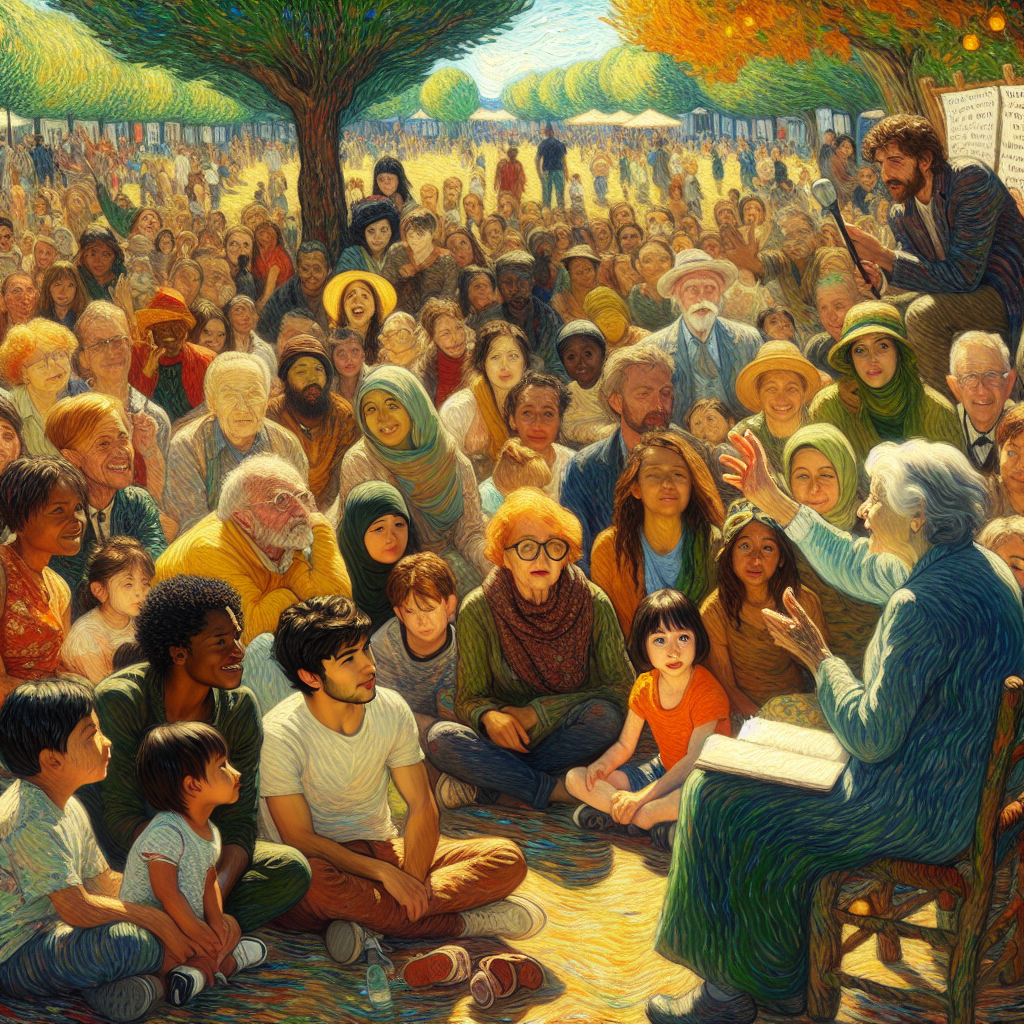
In What Ways Can Technology Preserve Our Legacies More Effectively?
Conclusion
Preserving your legacy in a Digital Age is more than a choice; it’s an urgent responsibility. The unsettling truth is that our stories are at risk of being lost to technological obsolescence. Imagine your grandchildren sifting through a trove of family photos, unable to access them because the formats have faded into irrelevance. They discover fragmented messages, remnants of your thoughts—echoes of your life’s tapestry, now barely decipherable. This isn’t simply about keeping up with technology; it’s a poignant reminder of our fragility in passing down the essence of who we are.
Legacy storytelling facilitates that vital connection between generations. It’s about sharing not only our triumphs but also our struggles, providing wisdom that can guide future minds. Echoing through these tales are ethical imperatives: a duty to ensure that our experiences are not lost but celebrated, passed down like cherished heirlooms. This reflects our values and aspirations, shaping the beliefs of those who come after us.
Consider the gatherings around your table, filled with laughter and rich, heartfelt narratives. These moments, valued for their authenticity, bind us closer to our loved ones. Legacy storytelling captures these enchanting connections, making them accessible to others. Should we let those stories dissipate into the ether simply because they exist in outdated formats? Absolutely not.
In reflecting on the legacy we craft daily, we must ask: What will endure? Will we inspire curiosity, compassion, and resilience in our descendants, or leave them a cluttered digital graveyard? Our choices matter—they shape both the minds of future generations and the communities in which they will thrive.
Embracing technology as an ally gives us an unparalleled opportunity to weave our narratives, sharing heartfelt insights alongside our grander life stories. This isn’t about curating a perfect image; it’s about being real, being vulnerable, and allowing our true selves to shine through. The impact of our stories—the struggles, lessons learned, laughter, and heartache—cannot be captured by quick posts or hashtags. They require depth, engagement, and empathy.
Ethically, we carry the weight of choosing what legacies to share and how to share them. In doing so, we instill trust and connection, validating not only our own experiences but also those of others. Let’s commit to preserving our legacies, to storytelling that resonates and lives on, an indelible imprint on the hearts of future generations. Each story we tell is a thread in the fabric of humanity—let’s ensure it’s a rich and diverse tapestry that reflects the essence of who we are, advocating for a legacy that thrives well beyond our time.

Conclusion
Conclusion:
- Preserving legacy in the digital age is an urgent responsibility due to the risk of losing personal stories to technological obsolescence.
- Legacy storytelling strengthens connections between generations by sharing both triumphs and struggles, providing valuable wisdom.
- Ethically, there is a duty to ensure that personal experiences are celebrated and passed down like cherished heirlooms.
- Authentic storytelling around family gatherings creates bonds and captures memorable connections, making them accessible to future generations.
- Choices in preserving stories shape future generations and the communities they will be part of, emphasizing their importance.
- Embracing technology allows for heartfelt narratives, focusing on real experiences rather than curated images or quick posts.
- Committing to ethical storytelling fosters trust and connection, ensuring that legacies resonate and live on in the hearts of future generations.

Conclusion
Other Resources

Other Resources
Here is a list of other resources you can review online to learn more:
- Legacy
- NoLo
- Postumo
- EverNote
- StoryCorps
- Legacy Family Tree
- Storyworth
- MyHeritage
- INELA
- Afternote
- UpCounsel
- Can Telling and Preserving Personal or Family Legacy Stories Be Therapeutic?
- Geneanet
- Bcelebrated
- LifeNaut
- WishesKeeper
- USLegalWills.com
- International End of Life Doula Association
- APH
- Ever Loved
Use This Prompt To Get More Resources With Your Favorite Online AI Tool: Please provide me with a list of online articles with their URLs in a bulleted list that I can read regarding Your Legacy Is Stored In a Dying Format
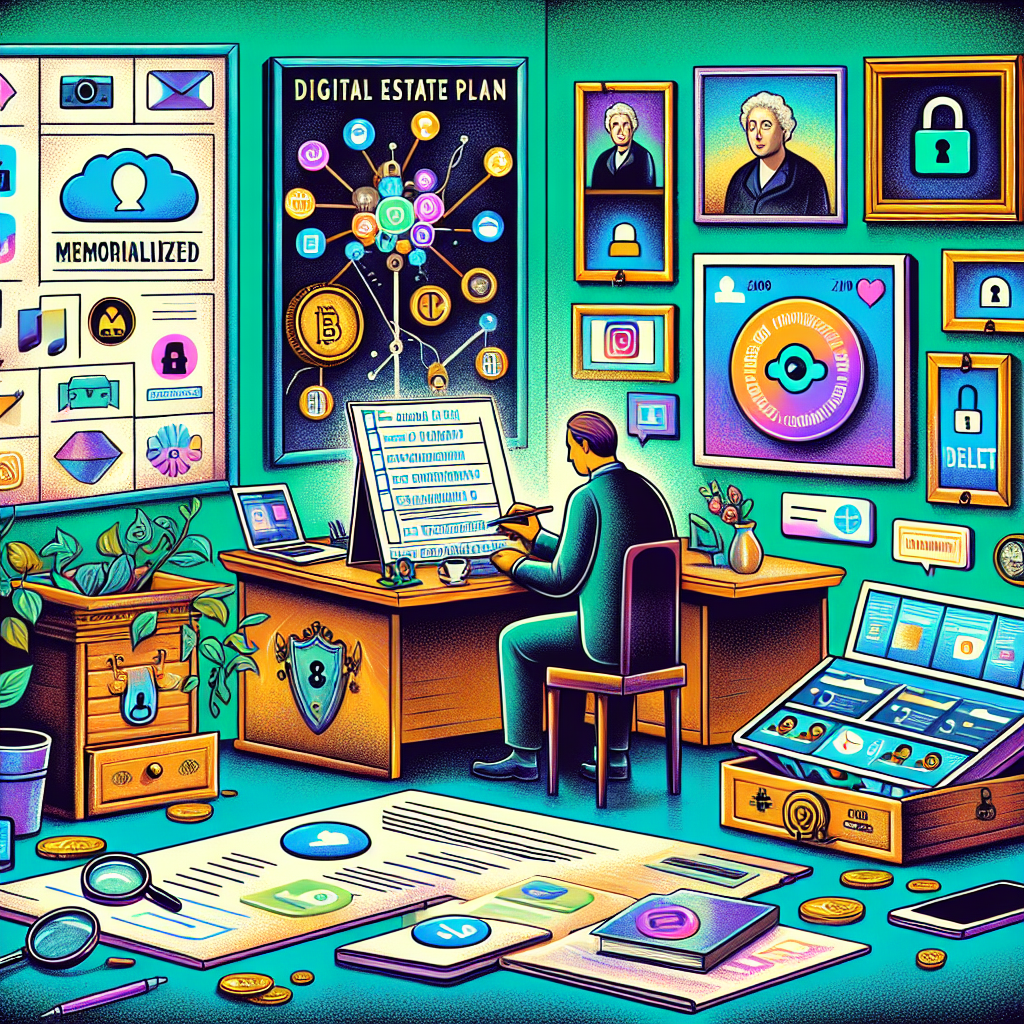
Other Resources
Glossary Terms
Your Legacy Is Stored In a Dying Format – Glossary Of Terms
1. Legacy: The impact or contributions one leaves behind after death, encompassing values, memories, and achievements.
2. Dying Format: A method or system of storing information that is becoming obsolete or less supported.
3. Preservation: The act of maintaining or safeguarding something for future generations.
4. Digitization: The process of converting information into a digital format, allowing for easier access and storage.
5. Archiving: The practice of collecting and storing historical records or documents for long-term preservation.
6. Obsolescence: The state of being outdated or no longer used due to advancements in technology or changes in society.
7. Curation: The selection and organization of content, often used in the context of managing information or collections.
8. Accessibility: The ease with which information can be obtained or retrieved by individuals.
9. Data Migration: The process of transferring data from one format, system, or storage location to another.
10. File Format: The specific structure and encoding used to store a digital file, affecting its compatibility and usability.
11. Metadata: Data that provides information about other data, such as its source, creation date, or context.
12. Vulnerability: The susceptibility of a particular format or medium to degradation, loss, or failure.
13. Data Loss: The unintentional destruction or corruption of digital information.
14. Retirement: The phase wherein a particular technology or format is phased out and no longer supported.
15. Format Conversion: The process of changing a file from one format to another to ensure compatibility.
16. User Interface: The means by which a user interacts with a computer or digital device.
17. Cloud Storage: A model of data storage in which digital information is maintained on remote servers accessed via the internet.
18. Longevity: The duration of time that a format, technology, or system remains functional and relevant.
19. Redundancy: The duplication of critical components of a system to ensure reliability and data integrity.
20. End-of-life: The point at which a technology or product is no longer supported or manufactured.
21. Repository: A central location for storing and managing collections of digital data.
22. Backup: A copy of data stored separately to protect against loss or corruption.
23. Sustainability: The ability to maintain or preserve resources and cultural heritage over time.
24. Interoperability: The capability of different systems or formats to work together seamlessly.
25. Encryption: The process of converting information into a secure format that is unreadable without a key or password.
26. Compression: The process of reducing the size of a digital file to save storage space and facilitate faster transmission.
27. Versioning: The creation of multiple versions of a document or data to track changes over time.
28. Legacy System: An outdated computer system or software that is still in use.
29. Transition: The process of changing from one state, condition, or format to another.
30. Cultural Heritage: The legacy of physical artifacts and intangible attributes of a group or society inherited from past generations.

Glossary Of Terms
Other Questions
Your Legacy Is Stored In a Dying Format – Other Questions
If you wish to explore and discover more, consider looking for answers to these questions:
- Which digital file formats are most likely to become unreadable first?
- How can I identify whether my photos, videos, or documents are stored in at-risk formats?
- What are the safest long-term formats for photos, audio, video, and text?
- How do I convert obsolete or proprietary files into future-proof formats without losing quality?
- Which tools or services reliably migrate large archives safely and affordably?
- How do I maintain metadata and context when converting or migrating files?
- What metadata should I record to preserve provenance and meaning for future generations?
- How many backups do I need and where should I store them (local, cloud, offsite)?
- What backup strategies protect against both hardware failure and digital obsolescence?
- How do I choose between cloud storage and offline archival methods?
- What are recommended file naming and folder organization practices for longevity?
- How can I ensure future access to encrypted or password‑protected files?
- What legal steps should I take to include digital assets in an estate plan or digital will?
- Who should legally own or control my digital legacy after I die, and how is that enforced?
- How do privacy laws and platform terms of service affect access to my social media and cloud archives?
- How should I handle sensitive or potentially harmful materials in my legacy collection?
- What ethical considerations arise when deciding which personal stories to preserve or share?
- How do I obtain consent from family members or third parties featured in recordings or photos?
- How can I document oral histories or personal stories so they retain emotional resonance for descendants?
- What formats or methods best capture voice, tone, and nuance (audio, video, transcripts)?
- How much editing or curation should I do versus preserving raw material?
- How can AI tools help restore, transcribe, or organize legacy files—and what risks do they introduce?
- What measures prevent future manipulation (deepfakes, altered records) of preserved media?
- How do I ensure authenticity and verifiability of archived content over decades?
- Are there community archives, libraries, or institutions that accept personal digital legacies?
- How costly is long-term digital preservation and what affordable options exist?
- What open standards and archival formats do professional archivists recommend (e.g., PDF/A, TIFF, WAV, FLAC)?
- How often should I review and refresh archived formats to avoid obsolescence?
- What hardware (drives, tapes, optical media) is best for long-term physical storage?
- What are the signs that an archive has begun to degrade or become inaccessible?
- How can families collaboratively build and maintain a shared legacy archive?
- How do I teach younger generations to value and maintain our family’s digital stories?
- What storytelling techniques help make preserved memories meaningful and engaging?
- How can I include context (dates, events, explanations) so future readers understand relevance?
- What role should public history, cultural institutions, or community projects play in preserving collective legacies?
- How do we balance preserving painful or controversial histories with protecting descendants’ wellbeing?
- Which platforms or services have reliable longevity and which are risky to trust long-term?
- How does planned obsolescence by manufacturers affect personal archives and what can be done about it?
- What policies or collective actions could reduce digital obsolescence at a societal level?
- How can I create a practical, step‑by‑step plan today to preserve my legacy for future generations?

Other Questions
Haiku
Your Legacy Is Stored In a Dying Format – A Haiku
Stories we must save,
In fading formats, hearts wait—
Legacies endure.

Haiku
Poem
Your Legacy Is Stored In a Dying Format – A Poem
In shadows of time our legacies dwell,
Stories entwined in memories to tell.
Yet digital threads, so fragile, decay,
Our voices may fade, like echoes, away.
Press pause on the quickness, the fleeting online,
Recall the warmth of laughter, the stories divine.
Each moment a treasure, each lesson a gift,
In sharing our journeys, our spirits uplift.
What tales will you weave, what truths will you hold?
In your family’s tapestry, let love be bold.
Capture the whispers, the struggles, the grace,
For future generations, our essence we trace.
With tablets and screens, we reach out to touch,
But do screens save our heart? Do they matter as much?
The weight of each story, a bridge to the past,
An invitation to connect, to make every moment last.
In the rush for the new, let’s not lose the old,
The morals, the triumphs, the moments of gold.
Each narrative shared can inspire and heal,
A legacy written, where hearts truly feel.
So let’s document daily, in formats that last,
Preserve what is precious, create from the past.
Together, let’s echo, for all time to see,
The legacy crafted, our shared history.

Poem
Checklist
Your Legacy Is Stored In a Dying Format – A Checklist
Heart
✅______ Reflect on a cherished memory that evokes strong emotions. Share it with someone you trust.
✅______ Write down a personal story of struggle and triumph. Consider how this narrative can inspire others.
✅______ Make a list of family members or friends whose stories you want to record and share.
Head
✅______ Evaluate the formats you are using to document your stories. Are they safe and accessible for future generations?
✅______ Identify at least three methods (e.g., digital archives, physical journals) to preserve your legacy.
✅______ Define the purpose of each story you tell. What lesson or insight do you want to impart?
Gut
✅______ Consider the implications of what you choose to share. Are you honoring the truths of those involved?
✅______ Create a timeline for when you will share your legacy stories. Include deadlines for recording, writing, and sharing.
✅______ Plan a gathering where stories can be exchanged. How will you foster an environment of openness and authenticity?
Narrative
✅______ List five personal experiences that shape who you are. Think about how they reflect your values.
✅______ Research storytelling methods (e.g., oral histories, written letters) that resonate with you.
✅______ Envision what you want your legacy to communicate to future generations.
Social
✅______ Choose a platform to share your stories, whether it be social media, podcasts, or community events.
✅______ Seek input from listeners or readers regarding the impact of your stories. What resonates most?
✅______ Identify ways to engage with others in sharing their own stories, creating a collective legacy.

Checklist
At LegacyExplorations, we help people plan and explore their legacy by collecting information and news regarding end-of-life planning.
Please share this post with your friends, family, or business associates who may want help to plan or explore their legacy.