

Embrace Your Narrative: Take Control Of Your Story’s Journey
By Tom Seest
At LegacyExplorations, we help people plan and explore their legacy by collecting information and news regarding end-of-life planning.
Please share this post with your friends, family, or business associates who may want help to plan or explore their legacy.
Your Story Is Hosted – Not Owned
In a world drowning in noise, our stories emerge as lifebuoys, not just for ourselves but for those around us. Legacy storytelling is anchored in the belief that every experience, every hardship, and every triumph contributes to a collective narrative. When you tell your story, you’re not merely sharing an account of your past; you’re opening a door for others to step through, to connect with their own experiences, and perhaps find solace in your words.
We often think of our stories as possessions, held close and tightly guarded. But in reality, they’re like seeds scattered in the wind, finding fertile ground far beyond our immediate surroundings. Think about that for a moment. Your challenges have value, and when shared, they nurture others grappling with similar struggles. This is what it means to host your story: to create a space where vulnerability thrives and authenticity reigns. It’s an invitation for connection — a call to arms for empathy and understanding.
Rationally, when we engage in legacy storytelling, we’re not just recounting events; we’re engaging with history, with values, and with lessons that echo through generations. Our humanity is stitched together through these narratives. They inspire trust and offer guidance, showing others that they’re not alone in their battles. Ethically, we have a responsibility to share our truths, to build bridges of understanding between us and foster a sense of community.
Think of the authority your story holds. It’s not just your voice; it’s a multitude of voices coming together, each adding depth and nuance to the conversation. When you share your journey, others may feel empowered to share theirs in return, creating a symbiotic relationship where stories host stories, and healing becomes a shared process.
Emotionally, consider the power your story carries. It can uplift, inspire, and evoke tears, laughter, and a sense of belonging. It’s a reminder that we’re all in this together, navigating the uncertainties of life. The stories we host teach resilience and ignite passion. They instill confidence in ourselves and in the interconnected tapestry of humanity.
So as you reflect on your life’s narrative, remember that your story is hosted — never truly owned. Embrace the opportunity to share it, to let it ripple through the lives of others. Your journey holds more power than you may realize, shaping legacies that stretch far beyond the bounds of your own experience.

Your Story Is Hosted – Not Owned
Your Story Is Hosted – Not Owned
- Stories serve as lifebuoys, providing support for oneself and others.
- Legacy storytelling relies on the belief that individual experiences contribute to a collective narrative.
- Sharing personal stories allows others to connect and find solace in shared challenges.
- Stories have value when shared, nurturing those facing similar struggles and fostering vulnerability.
- Engaging in legacy storytelling connects us with history, values, and intergenerational lessons.
- Each story is a part of a larger conversation, encouraging a symbiotic relationship among storytellers.
- Your story holds power, creating opportunities for connection and shaping legacies beyond personal experience.

Your Story Is Hosted – Not Owned
Table Of Contents
- Your Story Is Hosted – Not Owned
- What Does It Mean to Have Your Story Hosted But Not Owned?
- How Does Storytelling Impact Your Identity and Sense Of Self?
- Are We Losing Control Over Our Narratives In a Digital Age?
- What Ethical Considerations Arise When Sharing Our Stories Online?
- How Can We Reclaim Ownership Of Our Personal Narratives?
- What Role Does Vulnerability Play In Sharing Your Story?
- How Does Owning Your Story Empower You In Difficult Times?
- Conclusion
- Other Resources
- Glossary Of Terms
- Other Questions
- Haiku
- Poem
- Checklist
What Does It Mean to Have Your Story Hosted But Not Owned?
In a world where stories shape our identity, the difference between hosting a narrative and owning it is profound. When someone else hosts your story, they provide a platform, but often at the cost of control. Imagine your tale being told, its essence captured in the digital ether, yet every twist and turn of the narrative is dictated by another. This scenario highlights a fundamental truth about Legacy Storytelling: it’s about more than sharing experiences; it’s about taking ownership of the message you want to convey.
Picture this: a singer belting out a soulful tune at a local bar. The crowd sways, captivated by the melody, yet it’s the artist who bears the weight of that song. When you share your story, it’s like that performance. There’s power in vulnerability, in sharing your journey, but it matters who holds the mic. When others host the narrative, influences beyond your control can shift its meaning, morphing a personal saga into a universally palatable version, stripped of its raw truth.
The rational mind understands that in this digital age, hosting platforms often come with user agreements that favor the provider. There’s an ethical dimension here. How much of your truth is yours to keep when others decide how your story should be told? Trust is a fragile currency in a world where narratives can be twisted to serve a wider agenda. We must foster a connection to the stories that truly belong to us, ensuring that they echo our voice and values.
Moreover, owning your story is an act of courage. It’s about standing firm in your lived experiences, ensuring that your narrative is guided by your values. Stories, after all, are not merely for entertainment; they are the lifeblood of communities, essential for forging connections and inspiring action. It’s in the act of owning our narratives that we plant seeds for future generations, weaving threads of legacy that can be passed down.
In embracing the notion of ownership in Legacy Storytelling, you not only reclaim your power but also invite others to recognize the significance of their stories. Let’s champion the narratives that reflect our truth, shunning the shadows of those merely hosted for the sake of visibility. It’s about more than just having a platform; it’s about ensuring your story is authentically yours. That’s the ultimate legacy worth leaving behind.

What Does It Mean to Have Your Story Hosted But Not Owned?
What Does It Mean to Have Your Story Hosted But Not Owned?
- The distinction between hosting and owning a story significantly impacts personal narrative control.
- When others dictate your narrative, it can reshape your story into a version that may lack its true essence.
- Digital platforms often prioritize their interests in user agreements, which can compromise individual truth.
- Trust is precarious in a world where narratives can be manipulated for broader agendas.
- Owning your story requires courage and ensures that your narrative reflects your values.
- Stories are vital to communities, serving to connect people and inspire action.
- Embracing story ownership fosters awareness of the significance of personal narratives and promotes authenticity.

What Does It Mean to Have Your Story Hosted But Not Owned?
How Does Storytelling Impact Your Identity and Sense Of Self?
How Does Storytelling Impact Your Identity and Sense of Self?
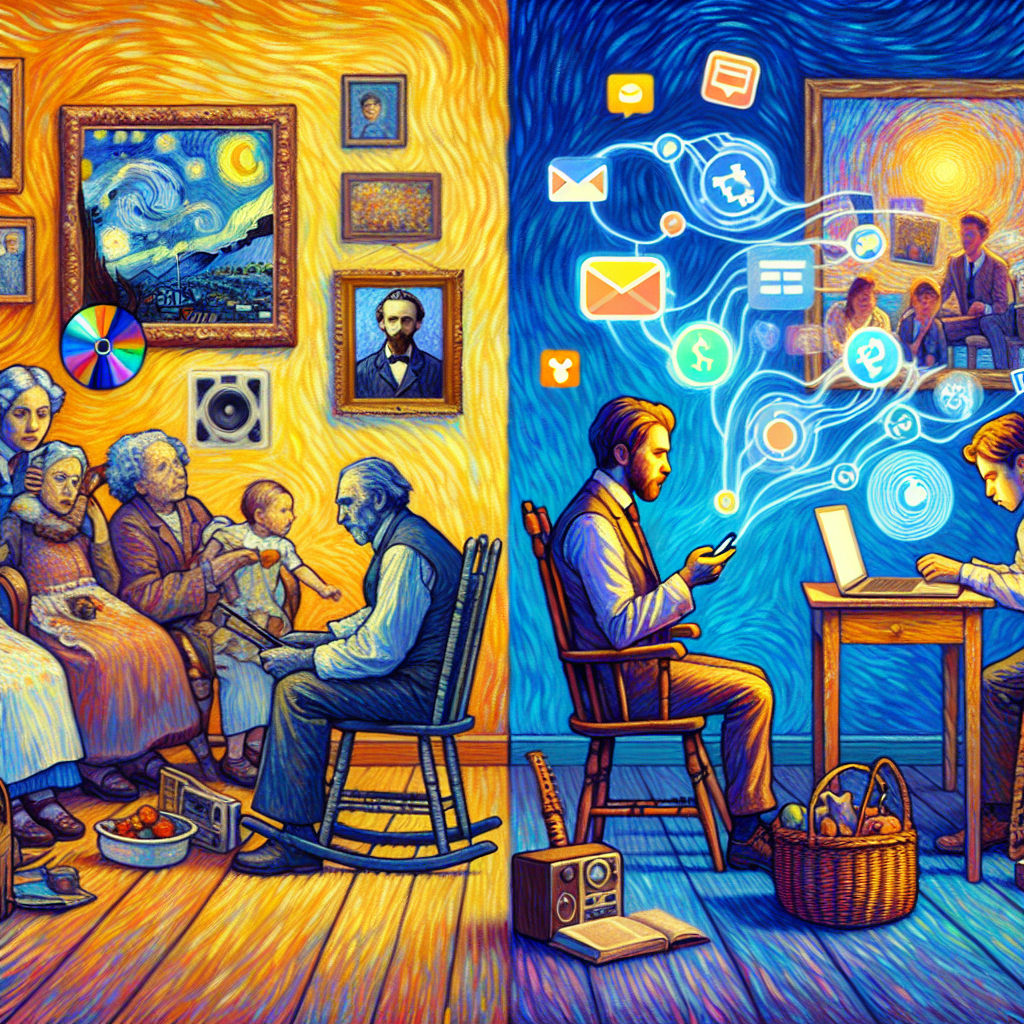
Storytelling is more than just weaving tales; it’s the fabric that binds us to our past, present, and future. Each story we tell or hear shapes our identity, crafting the legacy we leave behind. When you think of legacy, what comes to mind? It’s not merely about wealth or achievements; it’s the narratives that echo through generations, the stories that shape who we are and how we connect with one another.
Consider a moment in your life that turned the tide. Maybe it was a grandparent’s tale of resilience during tough times or a friend’s honest reflection during a trying period. These narratives resonate on a deeply personal level, sparking introspection and helping us navigate our own experiences. Storytelling provides clarity, a lens through which we can view our lives and the choices we’ve made. It unravels complexities, allowing us to confront the internal and external challenges that shape our journeys.
At the heart of storytelling is an ethical dimension—an obligation, if you will, to share experiences that resonate. When we share our vulnerabilities and triumphs, we create an invitation for others to do the same. This honesty cultivates trust, reminding us that we’re not alone in our struggles. It’s a potent reminder that we all have chapters that could be read around a fire, bridging gaps between generations and communities, reinforcing the shared human experience.
Storytelling also serves an essential social function. It fosters connection, sparking dialogues that can inspire action. Think of the countless movements propelled by a single impactful story—one that captures the heart and ignites the gut. Yet, the real power lies in reflection; when we listen to others’ narratives, we often see fragments of ourselves. This recognition fosters empathy, urging us to take responsibility in shaping a collective identity grounded in understanding and respect.
As we navigate an increasingly complex world, storytelling becomes a compass, guiding us back to our true selves. We become custodians of our legacies, crafting narratives that empower others while reinforcing our identities. By embracing the power of stories, we can inspire future generations to boldly claim their narratives, creating a tapestry of shared experiences that enriches our collective identity and sense of self. Together, we forge a legacy worth telling, a legacy that breathes life into the human spirit.
How Does Storytelling Impact Your Identity and Sense Of Self?
How Does Storytelling Impact Your Identity and Sense Of Self?
- Storytelling is essential for connecting our past, present, and future, shaping our collective identity.
- Legacy is defined by the narratives we share, influencing how we relate to one another.
- Personal stories foster introspection and help us navigate our experiences.
- Ethical storytelling invites vulnerability, building trust and community through shared narratives.
- Storytelling sparks social connection and can inspire significant action and change.
- Listening to others’ stories promotes empathy and encourages a collective identity based on understanding.
- Embracing storytelling empowers future generations, enriching our shared identity and legacy.

How Does Storytelling Impact Your Identity and Sense Of Self?
Are We Losing Control Over Our Narratives In a Digital Age?
In a world awash with information, where every swipe and click reveals countless stories, we face a quiet crisis—a disconnect from the rich legacy of storytelling that once grounded us. Legacy storytelling used to be a vital thread woven through our communities, providing meaning, connection, and a shared sense of identity. Today’s digital landscape, while innovative, often simplifies complex narratives into bite-sized snippets, leaving us craving the depth that once resonated in the tales passed down through generations.
Understanding the current state of our narratives elicits a visceral response. It’s not just about losing control; it’s about the erosion of our shared human experience. When we relegate our life’s narratives to social media’s algorithmic whims, we risk reducing ourselves to mere data points. Consider the late-night conversations with family, where stories flowed like wine, rich with laughter and lessons. Each tale added to a collective history—a narrative alive with authenticity. But as we shift to digestible posts and viral trends, we distance ourselves from that reality.
Rationally, it becomes clear that amidst this information overload, we face a crisis of attention and retention. Rapid-fire messages can flood our feeds, yet how many truly resonate? Are we losing the ability to discern meaningful narratives from noise? This isn’t merely an inconvenience; it’s a threat to the stories that shape our values and ethics. We must ask ourselves, who controls these narratives now? Are we allowing corporations and influencers, driven by profit and metrics, to dictate what matters?
Ethical storytelling should reflect our diverse experiences and values. The voices that shaped our legacies are often drowned out in the noise, marginalized in favor of trending topics. The irony lies in the connectivity that digital platforms promise versus the isolation many feel as we scroll through other people’s curated lives. We must reclaim our narrative ownership, fostering connections not by followers, but by shared experiences.
This is a call to action, a movement towards rejuvenating our storytelling roots. It invites each of us to engage with one another, to share our truths boldly and authentically. We hold the power to redefine this narrative landscape, to craft stories that unify rather than divide, that inspire rather than confuse. Let’s not allow our legacies to fade; instead, let’s celebrate them, ensuring their vitality in this digital arena. The essence of our humanity lies in our narratives—let’s make sure they’re ours to tell.

Are We Losing Control Over Our Narratives In a Digital Age?
Are We Losing Control Over Our Narratives In a Digital Age?
- Society faces a disconnect from traditional storytelling, impacting community and identity.
- Digital platforms simplify narratives into brief snippets, diminishing depth and authenticity.
- Current narratives are often dictated by social media algorithms, reducing individuals to data points.
- There is a crisis of attention and retention due to overwhelming amounts of information.
- Ethical storytelling should embrace diverse experiences, yet many voices are marginalized.
- Digital connectivity may lead to isolation, as people engage with curated lives instead of authentic stories.
- A call to action encourages reclaiming narrative ownership and sharing truths to unify rather than divide.

Are We Losing Control Over Our Narratives In a Digital Age?
What Ethical Considerations Arise When Sharing Our Stories Online?
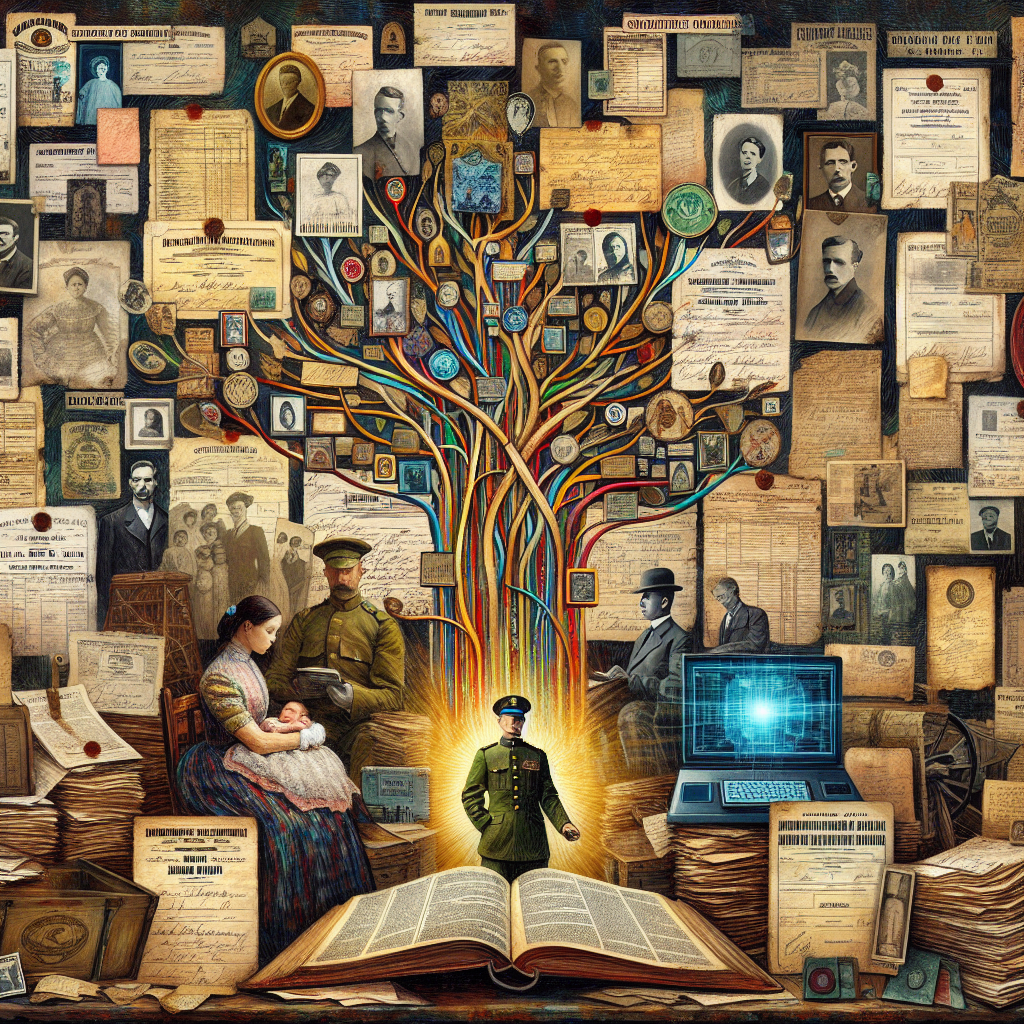
When we tap away at our keyboards, sharing snippets of our lives with the digital world, we engage in what many call Legacy Storytelling. It’s an act that can shape how we are remembered, for better or worse. But before we hit “send,” we need to ask ourselves: what are the ethical implications of our narratives? Every story we share has the potential to resonate far beyond our intent, sowing connections or, alternatively, sowing discord.
Consider the emotional weight of your story. Our words can uplift someone navigating the darkest of nights, providing a lifeline woven from shared experiences. Yet, they can also expose vulnerable details, leaving us open to judgment. We must balance honesty with discretion, realizing that what feels like a simple truth to us might feel like an invasion of privacy to someone else. This raises critical questions: Who truly owns the stories we tell? How do we honor the voices entwined with our own?
It’s not just the narrative that counts, but the ethics behind it. As we craft our tales, we must navigate the murky waters of consent and representation. Each person featured in our stories deserves consideration, respect, and a voice of their own—after all, their lives and experiences are entwined with ours in ways that demand sensitivity. There’s a moral obligation to ensure that their perspectives are portrayed accurately and without harmful biases. This ethical responsibility strengthens our authority as storytellers, shaping a legacy that reflects empathy rather than exploitation.
We live in a world where our stories can go viral, transforming lives in mere moments. Yet, power comes with responsibility. In a society increasingly driven by digital narratives, we must ensure that our contributions foster a sense of community rather than fracture it. The stories we share should uplift, enlighten, and inspire, igniting dialogues that lead to understanding and healing.
As we navigate this vast digital landscape, let’s commit to sharing not just our own narratives but the collective human experience. By doing so, we create a tapestry woven from empathy, trust, and shared struggles. Let our stories not only reflect who we are but also shape who we can become together—a legacy that bridges divides, inspires confidence, and compels us all to act in kindness as we enrich the human experience.
What Ethical Considerations Arise When Sharing Our Stories Online?
What Ethical Considerations Arise When Sharing Our Stories Online?
- Legacy Storytelling allows individuals to shape how they are remembered through shared narratives.
- Ethical implications of storytelling require consideration of emotional weight and potential impact of our words.
- Honesty must be balanced with discretion, respecting the privacy of others involved in our stories.
- Each person featured in narratives deserves proper representation, respect, and consent.
- Storytellers have a moral obligation to avoid harmful biases and ensure accurate portrayal of perspectives.
- Digital narratives can spread rapidly, emphasizing the responsibility to foster community rather than division.
- Sharing collective human experiences promotes empathy and inspires positive action towards understanding and kindness.

What Ethical Considerations Arise When Sharing Our Stories Online?
How Can We Reclaim Ownership Of Our Personal Narratives?
Every one of us possesses a unique narrative, a legacy storytelling that forms the backbone of our identity. Yet, in a world saturated with noise, we often find ourselves sidelined, watching as external forces shape our stories for us. But what if we actively reclaimed our narratives? Imagine the empowerment that comes from owning your story, the freedom to express your struggles and victories, and the potential to inspire others in the process.
To reclaim your narrative, start by recognizing the significance of your story. It’s not just a collection of events; it’s a reflection of your values, your dreams, and your resilience. Consciously weaving these elements into your legacy storytelling connects you to your past and sets a course for your future. This process isn’t merely a cerebral exercise—it’s a visceral journey. You feel the weight of your experiences and the triumph of overcoming challenges. Tap into that gut feeling, letting it guide you as you articulate your authentic self.
Next, confront the external forces that have influenced your narrative. Whether it’s societal pressures, expectations from family or friends, or the relentless tide of social media, acknowledge their impact. This recognition does not condone their interference but empowers you to push back. By carefully curating what influences your story, you can steer it towards a truth that resonates with who you truly are.
Moreover, tapping into legacy storytelling fosters a deeper connection with others. When you share your narrative authentically, you invite engagement and understanding. Others see a reflection of their struggles or triumphs in your tale, creating bonds that transcend superficial interactions. This emotional resonance strengthens your narrative’s impact, making it relatable, inviting, and ultimately, more powerful.
The journey to reclaim ownership of your personal narrative isn’t just about self-affirmation; it’s about laying a foundation for future generations. As you carve out your story, consider how it influences those who come after you. Your experiences, values, and lessons form a continuity that enriches the lives of others. You become not just a storyteller but a torchbearer of tradition, ethics, and authenticity.
Reclaiming your story demands courage and vulnerability, but it’s a worthwhile endeavor. When you stand firm in your legacy storytelling, you not only shape your identity but also inspire those around you to do the same. In a world where outside narratives can overwhelm, your voice can shine brightly, inspiring confidence and action in both you and others.

How Can We Reclaim Ownership Of Our Personal Narratives?
How Can We Reclaim Ownership Of Our Personal Narratives?
- Each person has a unique narrative that forms their identity.
- Reclaiming personal narratives empowers individuals to express struggles and victories.
- The significance of one’s story reflects values, dreams, and resilience.
- External influences, such as societal pressures and social media, should be acknowledged and confronted.
- Legacy storytelling fosters deeper connections and emotional resonance with others.
- Individuals shape their narratives to influence future generations positively.
- Reclaiming your story requires courage and can inspire others to do the same.

How Can We Reclaim Ownership Of Our Personal Narratives?
What Role Does Vulnerability Play In Sharing Your Story?
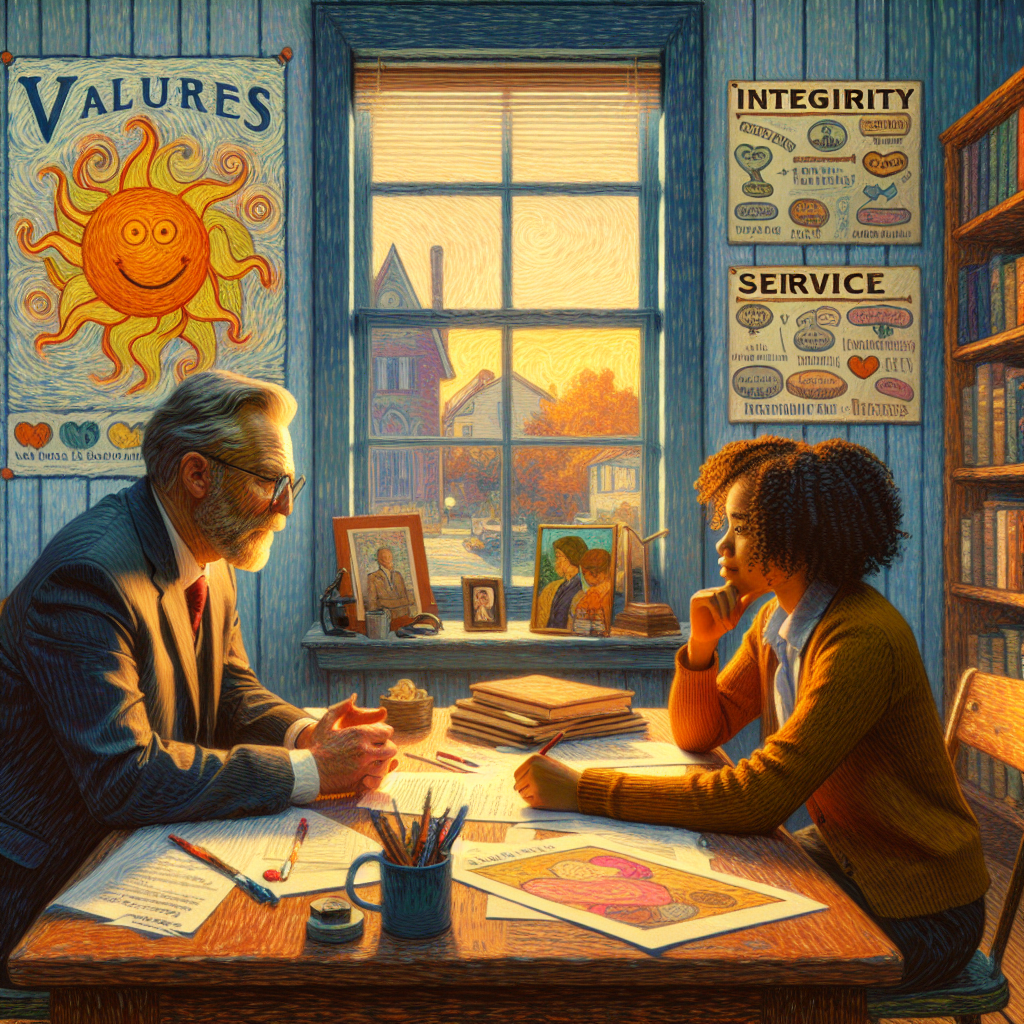
Vulnerability is the silent architect of our stories, shaping them into powerful legacies that resonate with others. When we choose to share our authentic experiences, we lay bare our struggles, triumphs, and the messy truths of life. This act of openness is not a weakness; it’s a profound strength, an invitation for others to connect with us on a deeper level. In a world often shrouded in polished facades, embracing vulnerability reminds us that behind every legend lies a story soaked in sweat, tears, and laughter.
Think about it. When someone shares their journey, it pulls at the heartstrings, revealing common threads of hardship and hope. That emotional truth fosters connection; it allows listeners to relate not just with a tale of success, but with the real, arduous path taken to achieve it. A legacy of storytelling is built not on perfunctory achievements but on these raw narratives that reflect the messy, unpredictable nature of our humanity.
However, vulnerability does more than just appeal to emotions. It engages the head, provoking thought and reflection. By sharing our authentic selves, we provide context for our choices and the wisdom gleaned from them. We challenge the conventional notions of success, illustrating that true authority lies in lived experience. It empowers others to re-evaluate their definitions of courage and achievement, fostering a culture that values honesty over facade. This shift paves the way for genuine dialogue, sparking discussions that can lead to collective growth.
Ethically, there’s a responsibility that comes with vulnerability. When we choose to disclose our stories, we honor the struggles of those who may feel isolated by their experiences. This acknowledgment creates a sense of community, reminding us that we are not alone in our battles. Our legacy becomes a source of solace and strength for others, encouraging them to share their own narratives, no matter how flawed.
In sharing, we also inspire action. Each story has the power to ignite a fire within others, compelling them to step forward, to speak up, or to seek help. We’ve all been there—stood on the precipice of introspection, tempted to hold back. But every time we let our guard down, we chip away at the stigma around vulnerability. We pave the way for a culture that celebrates authenticity, inviting others to tell their stories without fear.
Ultimately, vulnerability is not just a part of storytelling; it is the very essence of it. By sharing our true selves, we weave a rich tapestry of experiences that can heal, empower, and inspire generations to come. It is an invitation—a challenge—to step into the light and embrace the beautiful chaos of being human.
What Role Does Vulnerability Play In Sharing Your Story?
What Role Does Vulnerability Play In Sharing Your Story?
- Vulnerability shapes powerful legacies by sharing authentic experiences.
- Openness fosters deeper connections through shared struggles and triumphs.
- True authority lies in lived experiences, challenging conventional notions of success.
- Vulnerability fosters a culture that values honesty and invites genuine dialogue.
- Sharing stories acknowledges the isolation of others, creating a sense of community.
- Each personal narrative can inspire action and empower others to overcome stigma.
- Vulnerability is essential to storytelling, weaving experiences that can heal and inspire futures.

What Role Does Vulnerability Play In Sharing Your Story?
How Does Owning Your Story Empower You In Difficult Times?
Owning your story is like wielding a trusty tool in tough times—a means to carve out clarity amidst chaos. When the world feels like it’s unraveling, embracing your narrative allows you to stand firm against life’s relentless challenges. Our experiences, particularly the storied ups and downs, form a legacy that can serve as a beacon of resilience.
Legacy isn’t just about grandeur; it’s about the intricate fabric of everyday moments that define who we are. Storytelling is the essence of our humanity. In those gritty moments when pressure mounts, recalling and articulating our stories helps ground us. It’s a way of making sense of the events that shape us, transforming chaos into coherent wisdom.
Consider the power of narrative. Each twist and turn in your journey contributes to a broader tapestry of experiences, creating a rich story that resonates with others. You’re not an isolated entity; you’re part of an expansive human experience. When you share your trials—be it losing a job, facing illness, or enduring personal loss—you connect with strengths and vulnerabilities that others can recognize. That connection breeds a sense of belonging, humanizing struggles, making them relatable.
There’s also something fundamentally ethical in owning your story. It’s an act of authenticity—an acknowledgment that every life is brimming with challenges and victories. When we reveal our truths, we inspire others to confront their own realities, encouraging a deep-rooted courage that fosters community. This communal space nurtures trust, reminding us that no one is truly alone in their struggles.
Moreover, there’s the rational appeal of owning your narrative. It empowers you to realize that while you cannot always control your circumstances, you have complete authority over your perspective. By reframing hardships as integral parts of your legacy, you find not just survival, but strength and purpose. The stories you tell after overcoming adversity aren’t just cathartic; they’re instructional, providing blueprints for others navigating similar paths.
In difficult times, your legacy story becomes a source of strength. Embrace it. Share it. Own it. By doing so, you not only honor your journey but contribute positively to a collective narrative of perseverance and hope. You become not just a survivor, but a beacon for others, lighting the way forward.

How Does Owning Your Story Empower You In Difficult Times?
How Does Owning Your Story Empower You In Difficult Times?
- Owning your story provides clarity amid chaos and resilience in tough times.
- Legacy consists of everyday moments that shape our identities.
- Storytelling grounds us and helps transform chaos into coherent understanding.
- Sharing personal narratives connects us to shared human experiences and breeds belonging.
- Owning your story fosters authenticity and inspires courage within a community.
- Reframing hardships as part of your legacy enables a sense of strength and purpose.
- Your legacy story can serve as a beacon of hope, guiding others through their challenges.

How Does Owning Your Story Empower You In Difficult Times?
Conclusion
In the realm of personal narratives, we often find ourselves grappling with a critical truth: our stories are hosted, not owned. This realizable fact is a call to arms to embrace and take control of our narratives. Legacy storytelling isn’t mere sharing; it’s a profound act of engagement that has the power to uplift, educate, and weave bonds among individuals.
When we step forward to share our journeys, we become participants in a greater tapestry of human experience. Each hardship and triumph we recount serves as a lifeline for others, catalyzing connections that foster empathy and understanding. Each story is like a seed that, when cast into the ether, can plant roots far beyond our immediate surroundings, nurturing others grappling with similar struggles. By hosting our stories, we create spaces of vulnerability that invite authentic dialogue—a profound gift we can offer each other.
The rational mind understands the implications of legacy storytelling; it’s a commitment to history and values, showcasing our collective humanity across generations. This encourages trust and offers guidance, reminding us that our experiences carry weight and importance. Ethically, we hold a responsibility to communicate our truths, building bridges of understanding. Our voices collectively create a symphony of narratives, each one enriching the discussion.
Moreover, there’s a remarkable strength in vulnerability. It allows us to share not only success but also the arduous journeys that lead there. When we dare to be open about our struggles, we shine a light on our shared humanity, reminding others that no one navigates life’s challenges alone. Emotionally, stories evoke a spectrum of feelings—tears of sorrow, laughter of joy, and the warmth of connection—strengthening our resolve.
In a digital age that often distorts ownership, we must reclaim our narratives. It’s not about succumbing to external voices; it’s about empowerment. By actively engaging with our stories and infusing them with authenticity, we ensure that our legacy reflects our values. Each narrative shared presents an opportunity—not just for individual reflection, but for collective action. We can inspire future generations to recognize the power and complexity of their narratives.
As we navigate the complexities of our lives, let’s remind ourselves: every story matters. It’s time to own your narrative, share it openly, and invite others into dialogue. This isn’t just a legacy worth leaving; it’s a clarion call to celebrate our interconnected experiences and nurture a community built on understanding. Embrace the beauty of your story—it has the power to resonate and create ripples of change in the lives of others.

Conclusion
Conclusion:
- Our stories are hosted, not owned, highlighting the importance of taking control of our narratives.
- Legacy storytelling is an engagement that uplifts, educates, and connects individuals.
- Sharing our journeys fosters empathy and understanding, serving as lifelines for others.
- We have a responsibility to communicate our truths, enriching collective dialogue and understanding.
- Vulnerability in storytelling reveals shared humanity and reminds us we are not alone in our struggles.
- Reclaiming our narratives in a digital age empowers us to reflect our values authentically.
- Every story matters; sharing it openly cultivates a community built on understanding and connection.

Conclusion
Other Resources

Other Resources
Here is a list of other resources you can review online to learn more:
- Cake
- EverLoved
- Memorial Matters
- Legacy Family Tree
- LifeNaut
- WishesKeeper
- GhostMemo
- Living Wisely
- LegalZoom
- LegacyFamilyTree
- FutureMe
- LastPass
- MyWishes
- Is There A Need To Pay For Copyrighting Services For Personal Or Family Legacy Stories?
- How To Write Legacy Story Headlines That Appeal To The Heart, Gut and Head
- ForeverMissed
- Xarona
- PartingWishes
- How Has Time Changed The Cost Of Capturing Family Legacy Stories
Use This Prompt To Get More Resources With Your Favorite Online AI Tool: Please provide me with a list of online articles with their URLs in a bulleted list that I can read regarding Your Story Is Hosted – Not Owned

Other Resources
Glossary Terms
Your Story Is Hosted – Not Owned – Glossary Of Terms
1. Host: A service that provides the infrastructure and resources for content to be stored and accessed online.
2. Ownership: The legal rights and control over a piece of content or intellectual property.
3. Content: Any information, such as text, images, video, or audio, created by an individual or organization.
4. Intellectual Property (IP): Legal rights that result from intellectual activity in the industrial, scientific, literary, and artistic fields.
5. Platform: An online service or application that enables users to publish, share, or distribute content.
6. Terms of Service: A legal agreement outlining the rules and guidelines for using a service or platform.
7. User Agreement: A contract that defines the rights and responsibilities of users and the service provider.
8. Copyright: A legal right that grants the creator of original work exclusive rights to its use and distribution.
9. License: Permission granted by the copyright holder to use their content under specified conditions.
10. Attribution: Acknowledgment of the original creator of content when it is shared or used by others.
11. Content Creation: The process of generating ideas and producing media for distribution.
12. Privacy Policy: A document that explains how a service collects, uses, and protects user data.
13. Original Content: Unique material created by an individual or organization that has not been copied from others.
14. User-Generated Content (UGC): Content created by users of a platform, often shared with others.
15. Terms of Use: Rules that users agree to follow when using a service or platform.
16. Metadata: Data that provides information about other data, such as descriptions and keywords.
17. Distribution: The process of sharing or disseminating content to a wider audience.
18. Monetization: The process of earning revenue from content or services.
19. Archive: A collection of stored content that may be accessed in the future.
20. Content Management System (CMS): Software that helps users create, manage, and modify digital content.
21. Analytics: The analysis of data collected on user interactions and content performance.
22. Engagement: Interaction between users and content, often measured through comments, likes, or shares.
23. Community Guidelines: Rules set by a platform to govern user behavior and content sharing.
24. Copyright Infringement: The unauthorized use of someone else’s copyrighted work.
25. Digital Rights Management (DRM): Technology used to control the use of digital content and prevent unauthorized use.
26. Terms of Engagement: Guidelines outlining how users should interact with each other and the platform.
27. End User: The final consumer or recipient of a service or content.
28. Platform Policies: Set rules established by a platform to regulate user behavior and content standards.
29. Creative Commons: A licensing system that allows creators to share their works while retaining certain rights.
30. Dispute Resolution: The process of resolving conflicts related to content ownership or usage rights.

Glossary Of Terms
Other Questions
Your Story Is Hosted – Not Owned – Other Questions
If you wish to explore and discover more, consider looking for answers to these questions:
- What exactly does “hosted but not owned” mean in practical terms?
- How can I tell if a platform or person is controlling my story’s narrative?
- What legal rights do I have over stories I publish online or share publicly?
- How can I protect my privacy and the privacy of others when sharing personal stories?
- How do I obtain consent from people mentioned in my story, and what counts as informed consent?
- What ethical guidelines should I follow when including other people’s experiences in my storytelling?
- How do I balance vulnerability with healthy personal boundaries?
- What practical steps can I take to reclaim ownership of a narrative that others have shaped about me?
- How should I respond if my story is misinterpreted, edited, or used in ways I didn’t intend?
- Which platforms or formats are best for preserving long-form legacy stories?
- How can I archive or pass on my stories so future generations can access them?
- How do algorithms and social media formats alter the meaning and reach of personal narratives?
- Can I monetize my story without compromising its authenticity or ethical integrity?
- How should sensitive or traumatic details be handled in a public narrative?
- What role should family, community, or co-authors play in shaping and sharing a legacy story?
- How can I verify facts, dates, and memories when constructing a personal or family narrative?
- Are there differences in ethical responsibilities between public storytelling and private family storytelling?
- How can storytelling be used therapeutically to heal from past trauma?
- How do cultural, social, or historical contexts change how a story should be told or received?
- What tools and methods can help me create reliable written, audio, or video records of my story?
- How do I maintain authenticity while adapting a story for a wider or different audience?
- What common pitfalls should I avoid when trying to build a legacy through storytelling?
- How can I measure or evaluate the impact my story has on readers or my community?
- What should I do if a platform censors, removes, or alters parts of my story?
- How can I teach and encourage younger generations to value and continue family or community stories?
- When is it appropriate to anonymize or fictionalize aspects of a true story, and how should that be disclosed?
- How can collaborators co-create shared narratives without erasing individual voices or agency?
- What extra ethical considerations arise when stories involve minors, vulnerable people, or those unable to consent?
- How can storytelling be used to challenge dominant narratives and amplify marginalized voices responsibly?
- What resources, workshops, or frameworks exist to help someone learn legacy storytelling techniques?
Other Questions
Haiku
Your Story Is Hosted – Not Owned – A Haiku
Stories we share weave
Resilience, truth, and connection—
Legacy thrives bold.

Haiku
Poem
Your Story Is Hosted – Not Owned – A Poem
In a world of swirling tales, where noise drowns the truth,
Your story, a lifebuoy, offers wisdom and proof.
Every triumph, every trial, a seed cast to the skies,
Nurturing hearts and minds, where empathy lies.
Not just possessions, our narratives take flight,
Connecting us through struggles, illuminating the night.
With vulnerability as armor, we share and inspire,
A tapestry of humanity, woven with desire.
In digital shadows, we risk losing our voice,
As corporations dictate, we’re stripped by their choice.
But through the fog of bytes, let our truths be clear,
A collective legacy, binding us near.
Ethics thread our stories; consent must be sought,
For every tale we tell is a mirror, in thought.
Let authenticity reign, as we carve our own fate,
Owning our journey, we conquer the weight.
So embrace your narrative, let it flow and roam,
In sharing, we empower, we’re never alone.
Plant seeds of resilience, let your legacy grow,
Together, we rise stronger, as we share what we know.

Poem
Checklist
Your Story Is Hosted – Not Owned – A Checklist
Heart Appeals
✅______ Reflect on vulnerability: Identify moments of vulnerability in your story. What emotions did you experience? How can sharing these moments foster connection with others?
✅______ Create emotional resonance: Include details that evoke empathy, laughter, or tears. Which parts of your story can draw in your audience emotionally?
✅______ Find common ground: Think about what shared experiences exist in your story. How can sharing these similarities invite others to relate?
Head Appeals
✅______ Analyze your journey: Evaluate the lessons learned from each significant event in your life. What insights can you share that provide clarity or guidance?
✅______ Challenge conventional narratives: Consider what society views as success or failure. How does your story challenge these norms?
✅______ Craft an engaging narrative: Structure your story effectively. Consider the beginning, middle, and end. How can you ensure each part is compelling and informative?
Gut Appeals
✅______ Recognize your authority: Own your narrative. Remember that your experiences are valid and worthy of sharing. What gives you the confidence to speak your truth?
✅______ Empower others: Identify how your story can inspire action or reflection in others. What call to action can you offer through your narrative?
✅______ Celebrate resilience: Acknowledge the challenges you’ve faced and how you’ve overcome them. What strengths can you share that others might draw inspiration from?
Ethical Considerations
✅______ Obtain consent: If others are involved in your story, have you respected their privacy and gained their permission to share?
✅______ Portray authenticity: Are you being honest and transparent in sharing your experiences? How can you ensure that your narrative reflects ethical storytelling?
✅______ Respect diverse perspectives: Recognize the various voices in your story. Have you portrayed them accurately and respectfully?
Social Connections
✅______ Build community: Consider how your narrative fosters connection within your community. How can you encourage dialogue or shared experiences?
✅______ Leverage social media: How can you use social media platforms to amplify your story while maintaining authenticity?
✅______ Engage with others: How will you invite others to share their narratives in response? What platforms or methods will you utilize to create this dialogue?

Checklist
At LegacyExplorations, we help people plan and explore their legacy by collecting information and news regarding end-of-life planning.
Please share this post with your friends, family, or business associates who may want help to plan or explore their legacy.