

Unlock Your True Narrative Beyond Conventional Labels
By Tom Seest
At LegacyExplorations, we help people plan and explore their legacy by collecting information and news regarding end-of-life planning.
Please share this post with your friends, family, or business associates who may want help to plan or explore their legacy.
Your Story Is Not In the Folder Structure
In a world dominated by digital folder structures and neatly organized files, it’s easy to forget that our lives don’t adhere to such rigid frameworks. Life is messy, unpredictable, and often chaotic. Your legacy is not found in the neat categories of a drop-down menu or the tidy lines of a spreadsheet; it’s etched in the stories you live and share. Legacy storytelling transcends simple facts or figures—it’s about the raw, authentic experiences that shape who we are.
Think about it. Every moment holds the potential for growth, transformation, and connection. The conversations we have, the struggles we endure, and the victories we celebrate are the threads that weave our narrative. When we share our stories, we invite others into the tapestry of our lives, allowing them to see a reflection of their own experiences. It’s in the sharing that we find common ground, empathy, and understanding.
Consider the people who have made a difference in your life. It’s not their professional titles or awards that resonate, but rather the stories they’ve shared—their triumphs, failures, and lessons learned. By embracing legacy storytelling, we honor those experiences, providing valuable context that can inspire trust and confidence in others. Each story can serve as a beacon, guiding someone who may feel lost in their struggles, showing them they are not alone.
Rationally, this approach isn’t just about emotional resonance; it’s also strategic. Stories are powerful tools for engagement. They can break down barriers, fostering connection in a world that often feels divided. When we share our authentic selves, we cultivate an environment where dialogue flourishes and ideas grow. This is the essence of legacy storytelling: using our narratives to build bridges between hearts and minds, urging others to act, reflect, or simply listen.
So, don’t confine your story to a digital folder. Embrace the fullness of your experiences and recognize that what you have lived is worth sharing. Each word spoken, every lesson learned, is part of a greater narrative that connects us all. When you step outside the confines of structure, you can inspire change, encourage resilience, and empower others to find their own voice. Your story, rich with authenticity, has the potential to leave an indelible mark—not only on your life but on the lives of those around you.

Your Story Is Not In the Folder Structure
Your Story Is Not In the Folder Structure
- Life is messy and unpredictable; legacy is found in the stories we share, not in organized files.
- Legacy storytelling involves authentic experiences that shape our identities and connections.
- Every moment has the potential for growth, transformation, and connection through shared narratives.
- The impact of influential people lies in their stories and the lessons they impart.
- Embracing legacy storytelling inspires trust and provides support for those feeling lost.
- Stories serve as strategic tools for engagement, fostering connection and dialogue in a divided world.
- Sharing your experiences can inspire change, encourage resilience, and empower others to find their voice.

Your Story Is Not In the Folder Structure
Table Of Contents
- Your Story Is Not In the Folder Structure
- What Does It Mean When Your Story Feels Lost In Files?
- How Can Organization Enhance Your Narrative?
- Are You Struggling to Find Meaning In Your Work?
- What Stories Are Hidden Beneath Your Digital Clutter?
- How Often Do We Overlook the Importance Of Storytelling?
- How Can Clarity In Structure Elevate Your Message?
- Are You Ready to Reclaim Your Narrative From Chaos?
- Conclusion
- Other Resources
- Glossary Of Terms
- Other Questions
- Haiku
- Poem
- Checklist
What Does It Mean When Your Story Feels Lost In Files?
When your story feels lost in files, it’s more than just a matter of disorganization; it’s a signal that something integral to your identity has slipped through the cracks. Imagine your experiences, the challenges you’ve faced, and the lessons you’ve learned all neatly archived and categorized. Yet, somewhere along the way, a critical chapter vanished, leaving behind a void that echoes within. This isn’t a solitary struggle. Many individuals grapple with the notion of legacy storytelling, recognizing the weight of their narratives and the responsibility to share them authentically.
Every story has a purpose. Think about the countless anecdotes shared around a kitchen table, how they connect generations, spark laughter, and sometimes, even tears. When we allow our tales to gather dust, we risk losing not just our voice but also the wisdom inherent in those experiences. The stories that weave together the fabric of our lives deserve to be told, to be honored. It’s a matter of both heart and gut. By revisiting these narratives, we not only reestablish our sense of self but also connect with others who share similar journeys.
Rationally, consider the implications. A story that is shared fosters understanding and empathy, creating bridges between diverse backgrounds and beliefs. It’s an ethical imperative to share our truths; silence only perpetuates isolation and misunderstanding. In today’s fast-paced world, we sometimes forget the power of vulnerability, the strength found in admitting when we feel lost. When we reclaim our narratives, we not only affirm our existence but also inspire others to do the same.
Authority in storytelling lies in authenticity. Those who share from the depths of their experiences resonate deeply, establishing trust with their audience. It invites listeners to engage, to reflect on their own archives, and to recognize the emotional weight of their stories. There’s an undeniable solidarity in sharing our experiences—it’s a reminder that we are not alone in our struggles and triumphs.
So, if your story feels lost, take a moment to dig into those files. Dust off the memories, breathe life into the words. Whether it’s through pen and paper, a podcast, or a candid conversation, let your narrative flourish. After all, every story holds a legacy, waiting to be told. Embrace the journey of rediscovery, for in doing so, you not only honor your past but also pave the way for a shared future.

What Does It Mean When Your Story Feels Lost In Files?
What Does It Mean When Your Story Feels Lost In Files?
- Feeling lost in storytelling signals a disconnection from one’s identity.
- Legacy storytelling is vital for sharing personal narratives and experiences.
- Personal stories create connections and evoke a range of emotions across generations.
- Revisiting and sharing narratives reinforces self-identity and fosters connections with others.
- Sharing stories promotes understanding and empathy, bridging gaps between diverse backgrounds.
- Authenticity in storytelling builds trust and invites reflection on personal archives.
- Rediscovering and sharing one’s story honors the past and paves the way for future connections.

What Does It Mean When Your Story Feels Lost In Files?
How Can Organization Enhance Your Narrative?
In the tapestry of life, narrative is the thread that binds our experiences, crafting meaning from the chaos around us. When it comes to organization, think of it as the framework that allows your story to unfold seamlessly. A well-structured narrative doesn’t just draw the audience in; it anchors them, lending credibility and clarity to your voice. Just as a seasoned craftsman selects tools with care, organizing your thoughts is a deliberate act that speaks to your legacy.
Let’s consider legacy storytelling. This is not merely recounting events; it’s about weaving lessons learned, triumphs savored, and failures faced head-on into a compelling narrative that resonates. When we pause to reflect on our experiences, organizing them becomes an act of respect for the journey we’ve traveled. It demonstrates an understanding that our stories, shaped by trials and triumphs, hold value—not just for us, but for those who hear them.
When your narrative is clear and organized, it engages the heart, head, and gut. Emotional appeals are powerful; they forge connections. An audience is much more likely to feel a bond when they can follow a coherent story arc. Imagine sharing tales of resilience after a setback. Rather than a jumble of disjointed events, a structured approach allows for a build-up to the pivotal moment, eliciting empathy and forging trust. By connecting emotionally, you not only capture attention but inspire action.
On a rational level, organization brings clarity. It allows you to present your case with authority, ensuring your audience understands not just what happened, but why it matters. Each point builds upon the last, creating a logical flow that strengthens your message. An organized narrative doesn’t just inform; it compels belief, urging listeners to reflect on their own stories.
Ethically, we owe it to our audience to convey our truths with integrity. An organized narrative signals respect for both ourselves and those we engage with. It reflects our commitment to authenticity and fosters a sense of community.
So, how can you enhance your narrative through organization? Embrace the power of structure. Craft your legacy storytelling with intention, allowing your experiences to unfold in a way that captivates and connects with others. When your story is organized, it transforms into a vessel of inspiration, trust, and collective understanding—an invitation for others to reflect on their own journeys.

How Can Organization Enhance Your Narrative?
How Can Organization Enhance Your Narrative?
- Narrative serves as a vital thread that adds meaning to our experiences.
- Organization provides a framework for storytelling, enhancing clarity and credibility.
- Legacy storytelling weaves lessons, triumphs, and challenges into compelling narratives.
- Clear narratives engage audiences emotionally, fostering connections and empathy.
- Logical organization builds upon points, ensuring the audience comprehends the message’s significance.
- Ethical storytelling conveys truths with integrity, reflecting respect for both the storyteller and the audience.
- Embracing structure transforms narratives into inspirational tools for collective understanding.

How Can Organization Enhance Your Narrative?
Are You Struggling to Find Meaning In Your Work?
Are You Struggling to Find Meaning in Your Work?
In a world where we’re often measured by titles and salaries, it’s easy to lose sight of what truly matters—a sense of purpose. Many of us wind up in jobs that pay the bills but leave us feeling empty. The grind can seem relentless, as we chase promotions and accolades that don’t fill the void in our hearts. But let’s step back for a moment and explore what makes work meaningful.
Think of your legacy. What do you want people to remember about you? This isn’t just about achievements; it’s about the stories we leave behind—the legacy storytelling that captures our essence, our struggles, and our victories. Each day presents an opportunity to add to that narrative. When we immerse ourselves in work that resonates with our values, we transform our routine tasks into chapters of a compelling story.
Consider the stories of those who have found purpose in their work. Whether it’s the craftsman who takes pride in every detail of his project, the teacher who ignites passion for learning, or the caregiver who offers comfort in times of distress, they don’t just do their jobs—they reshape lives. They tap into something deeper, something that connects them not only to their tasks but to their community.
Rationally, we recognize that work doesn’t exist in a vacuum. Our relationships and the impact we have on others are inextricable from our careers. When we contribute to something larger than ourselves, whether through service, innovation, or mentorship, we engage in an ethical commitment to enhance the world around us. This community-minded approach fosters trust and respect, forging connections that extend beyond the office walls.
There’s an undeniable power in recognizing that work can be a form of service. It’s not about how much money we rack up but the positive influence we exert. Finding meaning in our work often requires a shift in perspective—looking beyond the immediate benefits and embracing the larger impact we can create. When you align your work with your values, you not only elevate your own spirit but inspire those around you to do the same.
Take a moment to reflect. What story do you want to tell through your work? It’s time to reclaim your narrative, embrace your legacy, and discover the meaning that can transform your daily grind into something extraordinary. The journey starts with you.

Are You Struggling to Find Meaning In Your Work?
Are You Struggling to Find Meaning In Your Work?
- Many people feel a lack of purpose in their work, focusing too much on titles and salaries.
- Work should be seen as a narrative, with each person’s legacy and stories shaping their experience.
- Individuals like craftsmen, teachers, and caregivers find deeper connection and purpose in their roles.
- Work is interconnected with relationships and the impact one has on their community.
- Contributing to something larger than oneself fosters trust and respect in professional settings.
- Recognizing work as a form of service shifts the focus from monetary gain to positive influence.
- Reflecting on one’s legacy can transform daily tasks into meaningful chapters of a personal story.
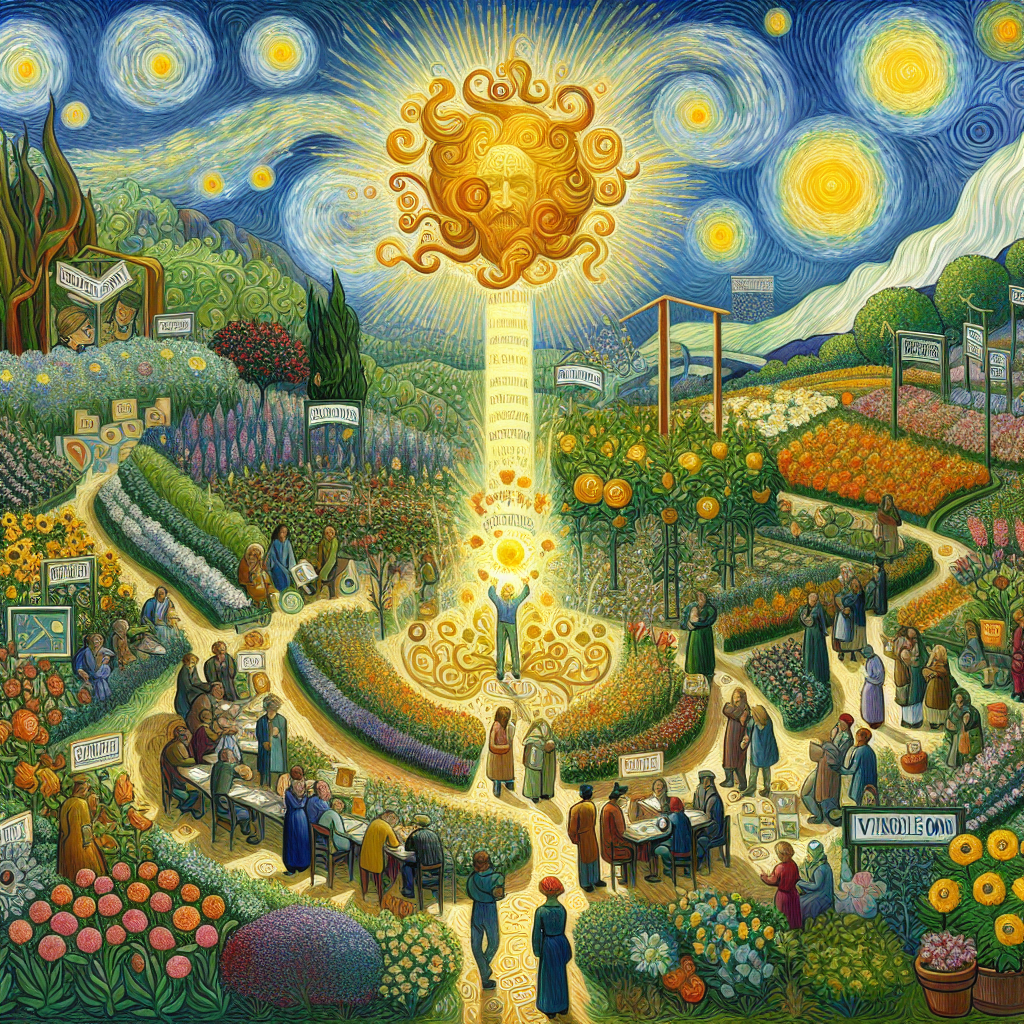
Are You Struggling to Find Meaning In Your Work?
What Stories Are Hidden Beneath Your Digital Clutter?
In this modern age, where our lives are measured in clicks and pixels, the vast seas of digital clutter often hide the most riveting stories from our past. We scroll through feeds, burying memories under layers of notifications and emails. Each image, message, or forgotten document isn’t just data; it’s a thread connecting us to who we were, who we are, and who we aspire to be. This is legacy storytelling at its finest—an invitation to unearth tales that have been tucked away, waiting to be told.
Consider this: every photo you’ve taken, every old conversation saved, reflects a moment in time. Thinking rationally about this clutter can illuminate profound truths. It’s easy to dismiss these relics as mere digital noise, but they are potential narratives—each holding lessons, laughter, and love. From your first awkward selfie to heartfelt exchanges that anchored friendships, these fragments can enlighten our understanding of the past and guide us into the future.
But there’s an ethical dimension here too. The stories we often overlook deserve to be preserved. By taking the time to sift through our digital remnants, we honor those experiences, validating our emotional journeys. In a world that constantly urges us to move forward, pausing to reflect on what we’ve amassed can inspire connection to those we cherish, and share our collective wisdom with those around us.
From an authority standpoint, many experts agree that storytelling plays a crucial role in shaping our identities. Our experiences, like bonds that tether us to our communities, become woven into the fabric of our lives. By selecting and sharing our stories, we invite others to understand us on a deeper level—creating a ripple effect that resonates beyond our screens and sparks camaraderie.
So, as you face the daunting task of decluttering your digital life, keep in mind that it’s not merely about clearing space; it’s about rediscovering yourself. Each click to open a treasured memory is a decision to revive the stories that shape your narrative. Embrace this process wholeheartedly. Allow your stories, your legacy storytelling, to shine as a beacon that not only reflects your journey but inspires others to delve into their layers of digital clutter. Take action—uncover those hidden gems, and let them reinforce your roots while lighting the way for future generations.

What Stories Are Hidden Beneath Your Digital Clutter?
What Stories Are Hidden Beneath Your Digital Clutter?
- Digital clutter conceals meaningful stories that connect us to our past, present, and future.
- Each photo or conversation saved represents a moment in time with potential narratives filled with lessons and emotions.
- There is an ethical obligation to preserve overlooked stories that validate our journeys.
- Reflecting on our digital remnants can inspire connections and share wisdom with others.
- Storytelling is essential in shaping identities and fostering community bonds.
- Decluttering digital life is an opportunity to rediscover oneself and revive personal narratives.
- Embracing legacy storytelling can inspire others to explore their own digital clutter and reinforce communal roots.

What Stories Are Hidden Beneath Your Digital Clutter?
How Often Do We Overlook the Importance Of Storytelling?
The art of storytelling is woven into the very fabric of our lives, yet we often overlook its profound impact. Just think about it; from the tales passed down through generations to the modern narratives we consume daily, storytelling shapes our understanding of the world and ourselves. This is where what I call “Legacy Storytelling” comes into play. It’s not just about recounting events; it’s about connecting with our shared humanity.
For many, storytelling is a powerful tool for making sense of life’s complexities. When we share our stories, we’re not just reciting facts; we’re inviting others into our lived experiences, creating empathy and understanding. Picture your favorite childhood tale—chances are, it held lessons that resonate today. Those narratives don’t fade; they linger, crafting our identities, influencing our decisions, and even impacting our emotional health.
Rationally, we can recognize that every culture relies on storytelling to convey values and lessons. It’s a mechanism for education that transcends age and background. As we navigate an ever-changing world, the ability to articulate our experiences becomes essential. Our stories can foster connection in a landscape often marked by division. They draw us together, reinforcing the bonds of community and shared purpose.
Ethically, there’s a responsibility to ensure that our stories are authentic and representative. Whether we’re sharing our own narratives or amplifying the voices of others, we have the obligation to honor the truths encapsulated within those stories. This speaks to the narrative authority we wield. Each tale we tell has the power to challenge perceptions and inspire action.
Think about a moment in your life that could serve as a catalyst for change. By embracing our stories, we not only leave a legacy for future generations but also inspire others to do the same. In a world inundated with superficial interactions, storytelling cuts through the noise, reminding us of our tenacity and resilience.
As we engage with storytelling, we must ask ourselves: Are we using our voice to uplift others? Are we acknowledging the significance of our narratives? By recognizing the importance of storytelling each day, we reclaim our agency, nurture connections, and create a tapestry of experiences that enriches everyone involved. So let’s not overlook the importance of storytelling; it’s time to embrace it with open arms and open hearts.

How Often Do We Overlook the Importance Of Storytelling?
How Often Do We Overlook the Importance Of Storytelling?
- Storytelling is integral to our lives, shaping our understanding of ourselves and the world.
- Legacy Storytelling connects us through shared humanity rather than merely recounting events.
- Sharing stories fosters empathy and helps make sense of life’s complexities.
- Cultural narratives convey values, education, and influence emotional health.
- Authenticity and representation in storytelling are essential responsibilities we hold.
- Embracing our stories can catalyze change and leave a legacy for future generations.
- Storytelling fosters connection and enriches experiences in a divided world.

How Often Do We Overlook the Importance Of Storytelling?
How Can Clarity In Structure Elevate Your Message?
How Can Clarity in Structure Elevate Your Message?
In a world where communication is often muddied by complexity, crafting a message with clarity can feel like a rarity—a gem hidden among stones. When your message is structured clearly, it not only elevates the content but transforms it into something profoundly impactful. Clarity allows your audience to connect—their hearts, heads, and guts respond, absorbing and processing your words without distraction.
Picture this: you’re sitting around a campfire, listening to a legacy storytelling session. Each tale is woven with intention, guiding you through twists and turns, ultimately leading to a powerful conclusion. The storyteller, with every deliberate pause and well-placed word, captures your attention. That’s the magic of clarity. It’s about knowing where you’re going and inviting your audience to join you on that journey. When a message flows logically, it becomes less about parroting facts and more about forging connections.
Logically structured communication appeals to the rational mind. When facts are laid out clearly, arguments become compelling; the structure acts as a roadmap, directing thoughts and interpretations. Imagine delivering a presentation where each point builds on the last, leading to a crescendo of understanding. Suddenly, the audience isn’t just passive—they’re invested. They want to engage, to discuss, to explore the ideas further.
Yet, clarity isn’t solely a function of intellect. It also appeals to emotions. A clear message can evoke memories, trigger feelings, and inspire action. When you share your narrative, whether it’s a personal experience or a call to a communal cause, clarity helps your audience feel the weight of your words. They see parts of themselves reflected in your story, establishing a bond. People don’t just want to hear facts; they want to feel. They want to belong.
Then there’s the ethical aspect. By presenting your ideas clearly, you demonstrate respect for your audience. You’re saying, “I value your time and attention.” This builds trust and credibility. When people feel respected, they’re more likely to respond positively and act.
Ultimately, clarity in structure elevates your message from mere words to something resonant and powerful. It invites reflection, conversation, and action. When people see their lives mirrored in a clear tale or message, they’re inspired to carry that message into the world, igniting a ripple of connection and understanding. A well-structured narrative does more than inform—it cultivates a community based on shared experiences and aspirations. The result is not just a message, but a movement, a legacy storytelling experience that lingers long after the conversation ends.
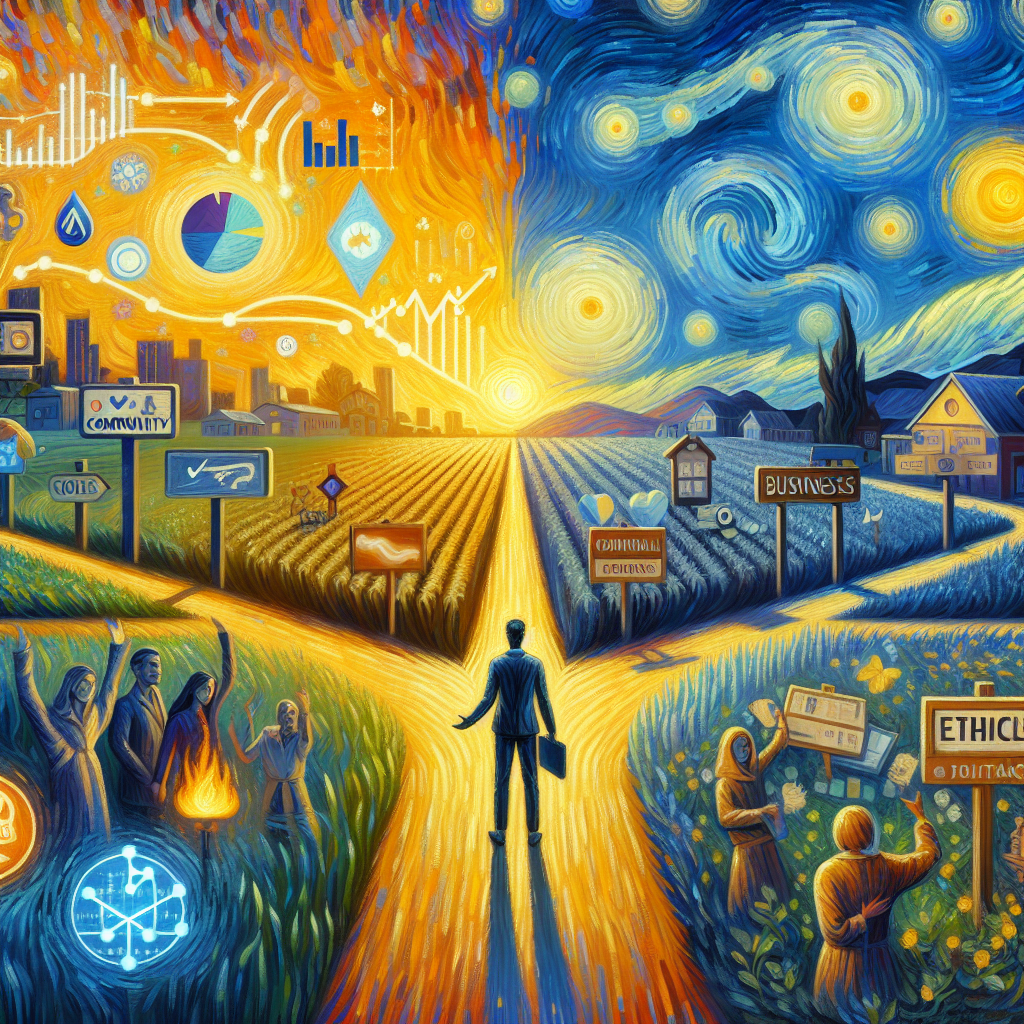
How Can Clarity In Structure Elevate Your Message?
How Can Clarity In Structure Elevate Your Message?
- Clear message structure transforms content into impactful communication.
- Clarity fosters connection, allowing the audience to absorb and process words effectively.
- Well-structured communication acts as a roadmap, guiding thoughts and interpretations.
- Emotionally engaging messages evoke memories and inspire action, enhancing audience connection.
- Presenting ideas clearly shows respect for the audience, building trust and credibility.
- Clarity invites reflection and conversation, encouraging active audience engagement.
- A well-crafted narrative fosters community and shared experiences, creating a lasting impact.

How Can Clarity In Structure Elevate Your Message?
Are You Ready to Reclaim Your Narrative From Chaos?
Reclaiming your narrative from chaos isn’t just about self-help; it’s about legacy and storytelling. We all have a tale worth sharing. Life can throw curveballs that shatter our perception of control, but take a moment to breathe and reflect. Chaos may seem like a child’s playroom after a birthday party—overwhelming and messy—yet within that chaos lies the foundation of your own narrative, a legacy waiting to be unearthed.
Consider what makes a good story. It’s not just the heroic moments but also the struggles, the failures, and the lessons learned. When you step back and embrace your past experiences, you realize each moment contributed to your character. Just as a skilled craftsman recognizes the value in every tool, the threads of our lives—both joyous and tumultuous—become essential parts of our journey. Recognize that you have the authority to redefine these moments, to weave them into a richer tapestry, turning the noise of chaos into a resonant story that connects with others.
Think of legacy storytelling as the bridge between who you were and who you can be. It’s about crafting a narrative that resonates not just in your heart but in the minds of those around you. A story well told has the power to inspire others, encouraging them to look beyond their struggles and see the potential for growth and change. When we share our experiences, we invite others into our world, creating moments of connection that transcend individual chaos. You become a beacon of hope, a source of inspiration, and a reminder that no one is alone in their struggle.
Embrace the courage to reclaim your voice amidst the clutter. This isn’t merely an act of self-expression; it’s an ethical duty to honor your journey and the journeys of those who came before you. Sharing your narrative is an invitation for others to explore their stories, forming a chorus of shared experiences and strength. It’s not just about you; it’s about inviting others to reclaim their own identities through your journey.
So ask yourself, are you ready to embrace the chaos and transform it into your own legacy story? Step into that space where vulnerability meets empowerment, and let your voice be heard. You hold the power to reclaim, reshape, and share your narrative. That’s where true connection begins.

Are You Ready to Reclaim Your Narrative From Chaos?
Are You Ready to Reclaim Your Narrative From Chaos?
- Reclaiming your narrative involves legacy and storytelling, emphasizing the value of personal tales.
- Life’s chaos can disrupt our sense of control, but it also forms the basis of our unique narratives.
- A good story includes struggles, failures, and lessons learned, contributing to personal character development.
- Embracing the entirety of our experiences allows us to reshape them into meaningful connections.
- Legacy storytelling serves as a bridge between past identities and future potential.
- Sharing personal narratives invites others to connect, fostering a collective understanding and strength.
- The act of reclaiming your voice is both an expression of self and a duty to honor past journeys.

Are You Ready to Reclaim Your Narrative From Chaos?
Conclusion
In a world where we often find ourselves compartmentalized into neat ‘folders,’ it’s vital to understand that our lives are anything but orderly. Life is a swirling tapestry of chaos, challenges, and profound stories that cannot be contained within the rigid structures we habitually use to organize our experiences. Your story isn’t merely a collection of facts—it’s a profound narrative crafted from the moments that define you. Legacy storytelling transcends mere recounting of events; it celebrates the authentic tapestry of lived experiences, resonating with our shared humanity.
Consider the power that resides in sharing your story. Each experience, whether a triumph or a lesson learned, creates ripples that resonate with others. Think back to those who made a mark on your life—not because of their accolades, but because of the stories they shared. Those narratives hold immense potential; they foster empathy and connection in a world that too often feels fragmented. By embodying legacy storytelling, we honor those experiences and create an environment conducive to understanding and growth.
It’s not just about emotional appeal. The strategic value of storytelling can’t be overlooked. In an age where disconnection prevails, sharing your authentic self invites dialogue and connection. When we flesh out our narratives, we form bridges that allow others to see parts of themselves reflected in our experiences. This creates a collective understanding, urging us to listen, act, and engage deeply with one another.
However, many of us grapple with the feeling that our stories are buried beneath layers of digital clutter and the chaos of modern life. Recognizing that your narrative is at risk of being lost in the noise is the first step towards meaningful reclamation. Take the time to reflect on those moments that shaped who you are. Don’t allow your unique experiences to fade into forgotten digital archives.
Clarity and organization in storytelling provide a powerful vehicle for your message. When structured well, your story not only engages the audience’s emotions but also commands their rational understanding. It invites them to join you on a journey rather than merely consuming facts. Each crafted moment in your narrative serves as a beacon, inspiring others—a reminder that we are never truly alone in our struggles.
As you reflect on your legacy, embrace the journey of uncovering your narrative. Transform your chaotic experiences into compelling stories that offer hope and invite others to reclaim their narratives. In doing so, your voice becomes a crucial part of a larger, vibrant chorus—one that resonates across hearts and minds, instilling meaning and connection. Your story matters; it’s time to tell it.

Conclusion
Conclusion:
- Life is a complex tapestry of chaos and profound stories beyond rigid structures.
- Legacy storytelling celebrates authentic lived experiences and shared humanity.
- Sharing personal stories fosters empathy and connection in a fragmented world.
- Storytelling provides strategic value, inviting dialogue and deeper engagement.
- Many individuals feel their stories are lost in digital clutter and modern chaos.
- Clear and organized storytelling engages emotions and rational understanding.
- Your voice contributes to a larger narrative, fostering meaning and connection.

Conclusion
Other Resources

Other Resources
Here is a list of other resources you can review online to learn more:
- Geneanet
- ForeverMissed
- Lexikin
- How to Avoid Losing Your Family History One Generation at a Time
- AmericanAncestors
- International End of Life Doula Association
- FamilySearch
- FindMyPast
- How Has Time Changed The Cost Of Capturing Family Legacy Stories
- Memorial Matters
- My Wonderful Life
- LegacyLearned
- YouMattered
- Bcelebrated
- LifeNaut
- LifeBio
- Directive Communication Systems
- Digital Legacy Association
- EverNote
- Storyworth
Use This Prompt To Get More Resources With Your Favorite Online AI Tool: Please provide me with a list of online articles with their URLs in a bulleted list that I can read regarding Your Story Is Not In the Folder Structure

Other Resources
Glossary Terms
Your Story Is Not In the Folder Structure – Glossary Of Terms
1. Folder Structure: The organizational scheme used to arrange files and directories within a computer system or application.
2. Metadata: Data that provides information about other data, often used to describe the characteristics or context of a file.
3. Non-linear Narrative: A storytelling method where the plot does not follow a straight chronological order, allowing for flashbacks and multiple perspectives.
4. Thematic Elements: Central topics or concepts explored in a narrative, influencing its direction and message.
5. Character Development: The process through which a character evolves and changes throughout a story.
6. Plot: The sequence of events that make up a story, including exposition, rising action, climax, and resolution.
7. Narrative Arc: The structure of a story that outlines the progression from introduction to conclusion, highlighting key events.
8. Conflict: A struggle or challenge faced by characters, driving the narrative forward through internal or external tensions.
9. Point of View: The perspective from which a story is told, influencing how readers perceive events and characters.
10. Foreshadowing: A literary device used to hint at future events in a story, creating anticipation for readers.
11. Resolution: The conclusion of the story where conflicts are resolved, and the narrative path reaches its endpoint.
12. Subplot: A secondary storyline that supports or contrasts with the main plot, adding depth to the narrative.
13. Narrative Voice: The distinct style of storytelling employed by the narrator, shaping the reader’s experience.
14. Theme: An underlying message or idea that recurs throughout a literary work, often reflecting broader societal issues.
15. Backstory: The history and background information provided about characters or events in a story, establishing context.
16. Protagonist: The main character in a story, often facing challenges that lead to growth or change.
17. Antagonist: A character or force that opposes the protagonist, creating conflict within the narrative.
18. Dialogue: The spoken exchanges between characters that reveal information, advance the plot, and develop relationships.
19. Imagery: Descriptive language that appeals to the senses, creating vivid mental pictures for the reader.
20. Symbolism: The use of symbols to represent larger concepts or ideas within the narrative.
21. Tone: The author’s attitude toward the subject, conveyed through word choice and stylistic elements.
22. Motif: A recurring element, theme, or idea in a literary work that helps reinforce the main themes.
23. Climax: The most intense, exciting, or important point of a story, marking a turning point for the protagonist.
24. Setting: The time and place in which a story unfolds, influencing mood and character behavior.
25. Style: The unique way an author expresses ideas through syntax, diction, and literary devices.
26. Flashback: A scene set in a time earlier than the main story, providing background or context for characters and events.
27. Narrator: The voice or character that tells the story, which can be first-person, third-person, etc.
28. Character Arc: The transformation or inner journey of a character over the course of a story.
29. Genre: A category of literature characterized by similarities in form, style, or subject matter, such as fiction, nonfiction, or fantasy.
30. Writing Process: The series of steps a writer follows to develop a story, including brainstorming, drafting, editing, and publishing.

Glossary Of Terms
Other Questions
Your Story Is Not In the Folder Structure – Other Questions
If you wish to explore and discover more, consider looking for answers to these questions:
- What is legacy storytelling and how does it differ from other forms of storytelling?
- How do I start reclaiming my narrative from digital clutter?
- What practical steps can I take to organize memories, files, and photos into a coherent narrative?
- Which tools or apps are best for archiving personal stories and multimedia artifacts?
- How do I decide which stories are worth preserving and sharing?
- How can I balance structure and clarity with authenticity and emotional truth?
- How do I overcome fear, shame, or vulnerability about sharing personal experiences?
- How should I handle traumatic or sensitive events in my storytelling?
- How can I incorporate family history and intergenerational stories effectively?
- What formats (memoir, podcast, video, oral history) are best for different types of legacy stories?
- How often should I revisit and update my narrative or archives?
- How do I protect privacy and obtain consent when stories involve other people?
- How can I measure the impact or value of sharing my story with others?
- How do I make my stories accessible and engaging for diverse and intergenerational audiences?
- What simple narrative structures or templates help craft a compelling legacy story?
- How can I use photos, documents, and artifacts to strengthen the emotional core of a story?
- How much editing is appropriate before publishing a personal story versus preserving its rawness?
- What ethical considerations should guide telling stories that involve other people or communities?
- How can leaders and organizations use legacy storytelling to build trust and culture?
- How do I find meaning in routine work and turn day-to-day experiences into purposeful stories?
- What journaling prompts, exercises, or interview questions uncover hidden or forgotten stories?
- How can I declutter digital files without losing important memories or context?
- What backup and long-term preservation strategies ensure stories survive over time?
- When is it helpful to hire professional help (editor, archivist, oral historian, therapist) for legacy projects?
- How do I teach younger family members to preserve and continue our story traditions?
- What are best practices for sharing legacy stories on social media while maintaining nuance and privacy?
- How do cultural norms influence the way legacy storytelling is received and practiced?
- What common barriers prevent people from telling their stories and how can they be addressed?
- How do I structure a talk, presentation, or workshop around my legacy stories?
- Can storytelling be used strategically for career advancement or community leadership, and how?
- How do I ensure factual accuracy when reconstructing memories that may be incomplete or conflicting?
- What legal issues (copyright, defamation, rights to likeness) should I consider before publishing stories?
- How do I create a safe, respectful space for others to share their stories with me?
- How do I turn a collection of anecdotes into a cohesive book, exhibit, or multimedia project?
- How do I maintain narrative continuity when blending multiple timelines, perspectives, or voices?

Other Questions
Haiku
Your Story Is Not In the Folder Structure – A Haiku
Stories weave through life,
Lost in the clutter of tasks,
Clear paths bring us home.

Haiku
Poem
Your Story Is Not In the Folder Structure – A Poem
In a world of folders neatly stacked,
Our stories too often stay unpacked.
Beyond labels that bind, and files that confine,
Lies the essence of life—our narratives line.
Chaos, messy, a beautiful weave,
In each struggle and triumph, we dare to believe.
Every lesson and laughter, each tear that we shed,
Shapes the legacy whispered, the words left unsaid.
From teachers to dreamers, we all hold a key,
To unlock the richness of who we can be.
With every tale shared, a bridge we can build,
Where hearts intertwine, and spirits are filled.
In the sea of digital noise, stories lie dormant,
Yet each pixel, a moment—each word, an adornment.
To sift through clutter is to honor the past,
Reclaiming our voices, ensuring they last.
Finding meaning in work, beyond titles and pay,
Transforming the grind into grand tales to relay.
Purpose in passion, a fire within,
Revealing connections where authentic bonds begin.
So dust off the memories, let your story sing,
Embrace your true narrative, and the joy it can bring.
For in sharing our journeys, we weave life’s great thread,
Connecting all souls, ensuring hope’s never dead.

Poem
Checklist
Your Story Is Not In the Folder Structure – A Checklist
Emotional Appeals
✅______ Reflect on your most cherished memories. What stories do they tell?
✅______ Identify moments of struggle and triumph. How can these experiences connect with others?
✅______ Consider the emotions tied to your narrative. What feelings do you want to evoke in your audience?
Rational Appeals
✅______ Organize key events in your life chronologically. How do they link together to form a coherent story?
✅______ Analyze the lessons learned from each experience. What key insights can you share?
✅______ Develop a clear structure for your narrative. Does it have a beginning, middle, and end that makes logical sense?
Ethical Appeals
✅______ Ensure your narrative respects the truth of your experiences. Are you portraying events authentically?
✅______ Consider the impact of your story on your audience. Are you fostering empathy and understanding?
✅______ Reflect on the stories of others. Are you including diverse perspectives that enhance your legacy?
Authority Appeals
✅______ Recognize the value of your lived experiences. What gives you authority to share your story?
✅______ Draw on knowledge or expertise to enhance the authenticity of your narrative. Are there lessons from others that support your message?
✅______ Use credible sources or personal experiences that illustrate your points. How can you establish trust with your audience?
Narrative Appeals
✅______ Transform disjointed experiences into a compelling narrative. What common threads run through your life story?
✅______ Utilize storytelling techniques (like vivid imagery and character development) to engage your audience. How can you create an immersive experience?
✅______ Consider how your narrative aligns with the broader human experience. What universal themes can you tap into?
Social Appeals
✅______ Share your story within community settings. How can your experiences resonate with others in similar situations?
✅______ Encourage dialogue around your narrative. Are there opportunities for listeners to share their stories as well?
✅______ Use social media or gatherings to amplify your message. How can you create a platform for collective storytelling?

Checklist
At LegacyExplorations, we help people plan and explore their legacy by collecting information and news regarding end-of-life planning.
Please share this post with your friends, family, or business associates who may want help to plan or explore their legacy.